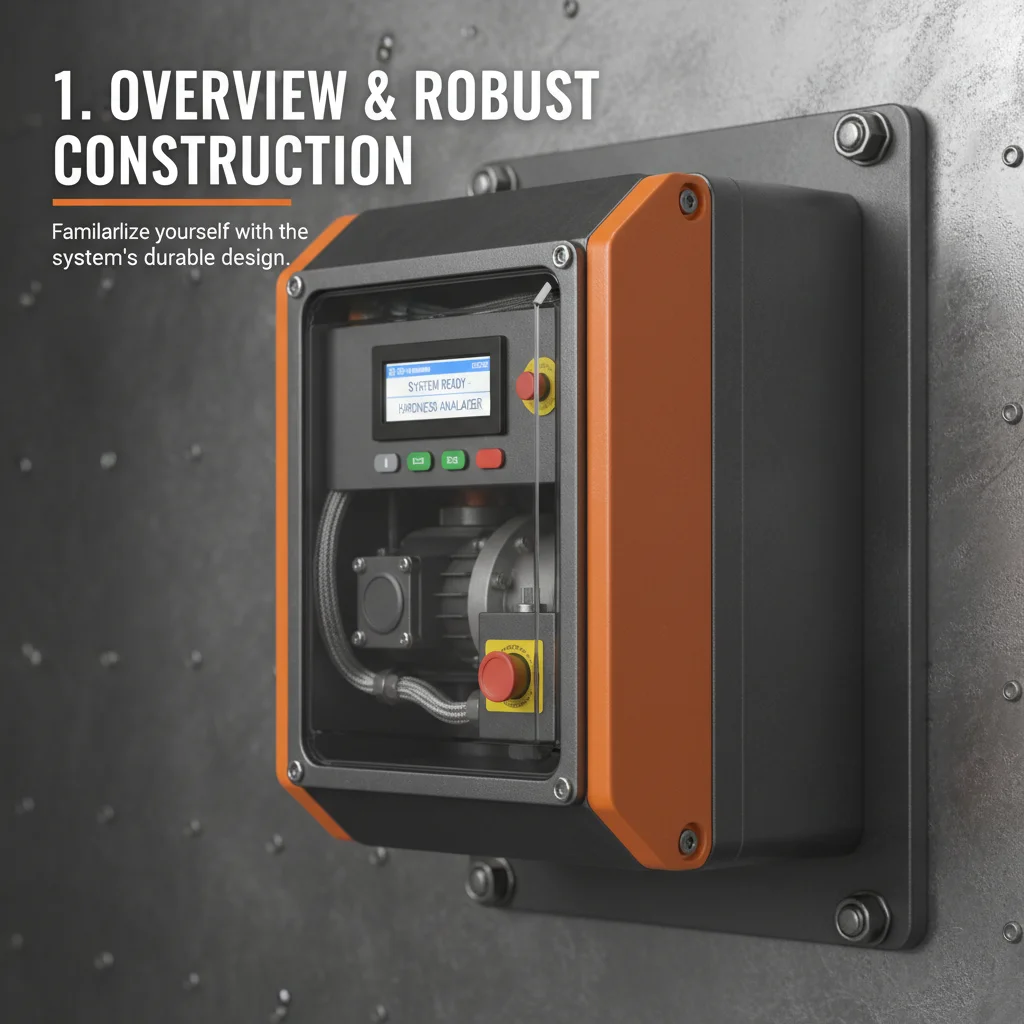
Maintaining precise water chemistry is fundamental to public health and industrial efficiency, and the implementation of an online free chlorine analyser stands as the primary line of defense against microbial contamination. In an era where water scarcity and contamination are global crises, the ability to monitor disinfecting agents in real-time ensures that water remains safe for consumption and industrial use without the risks associated with over-chlorination.
From a global perspective, the shift from manual titration to automated sensing has revolutionized how municipal water works and chemical plants manage their resources. An online free chlorine analyser provides a continuous data stream, allowing for immediate adjustments in dosing pumps, which drastically reduces chemical waste and prevents the formation of harmful disinfection by-products (DBPs).
Understanding the nuances of free chlorine—comprising hypochlorous acid and hypochlorite ions—is critical for operators who must balance pathogen inactivation with infrastructure longevity. By leveraging a high-precision online free chlorine analyser, organizations can move from a reactive "test-and-correct" model to a proactive, automated stability model, ensuring consistent water quality around the clock.
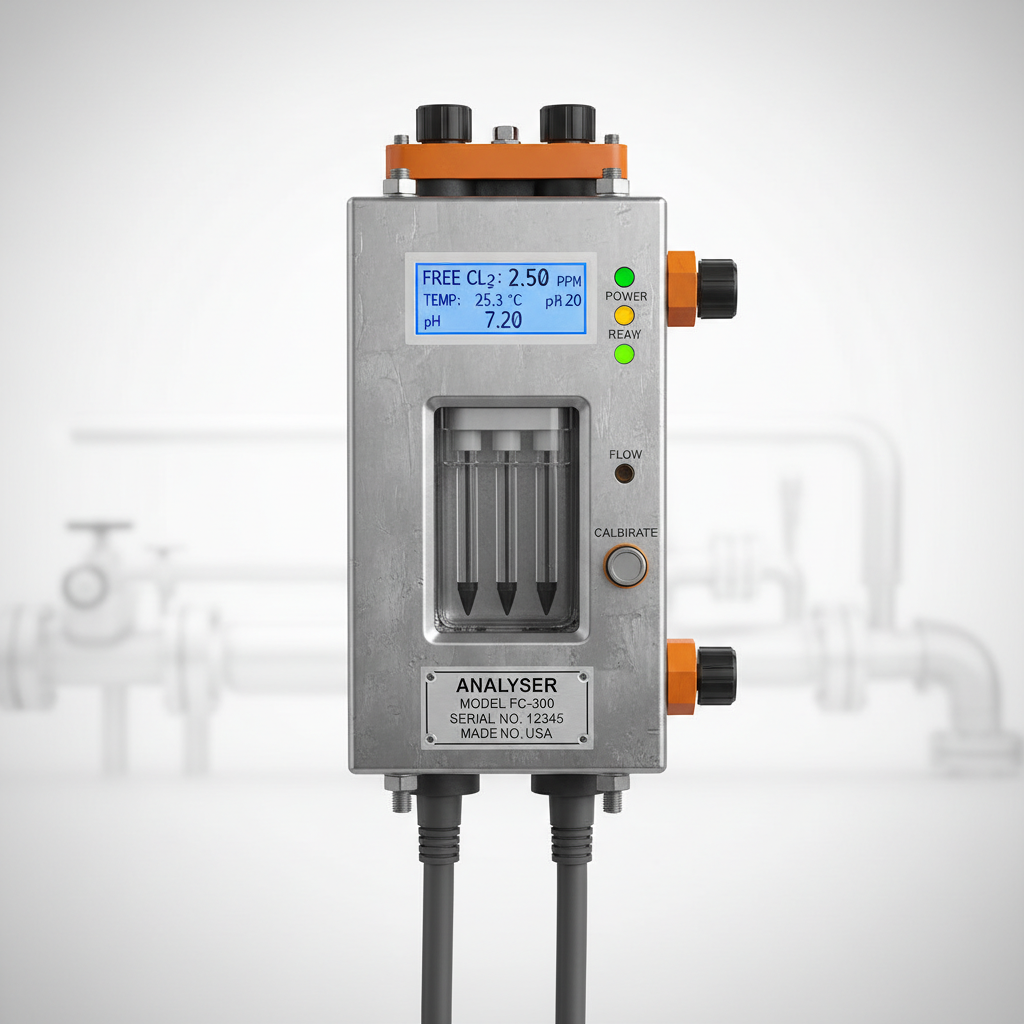
Global Industry Context of Chlorine Monitoring
The global demand for potable water has placed immense pressure on water treatment facilities to optimize their disinfection protocols. According to World Health Organization (WHO) guidelines, maintaining a residual chlorine level is essential to prevent re-contamination in distribution networks. However, the challenge lies in the volatility of chlorine; it degrades rapidly under UV light and reacts with organic matter, making manual sampling insufficient for modern safety standards.
This volatility creates a precarious balance where too little chlorine leads to bacterial breakouts, while too much can lead to taste complaints and the production of trihalomethanes (THMs), which are regulated by ISO and environmental agencies worldwide. The adoption of the online free chlorine analyser has become the industry standard to mitigate these risks through high-frequency, real-time monitoring.
Defining the Online Free Chlorine Analyser
In simple terms, an online free chlorine analyser is an automated analytical system designed to measure the concentration of "free" available chlorine (HOCl and OCl⁻) in a water stream without requiring manual intervention. Unlike "total chlorine" measurements, which include combined chloramines, free chlorine is the active agent responsible for rapid disinfection, making its precise measurement critical for safety.
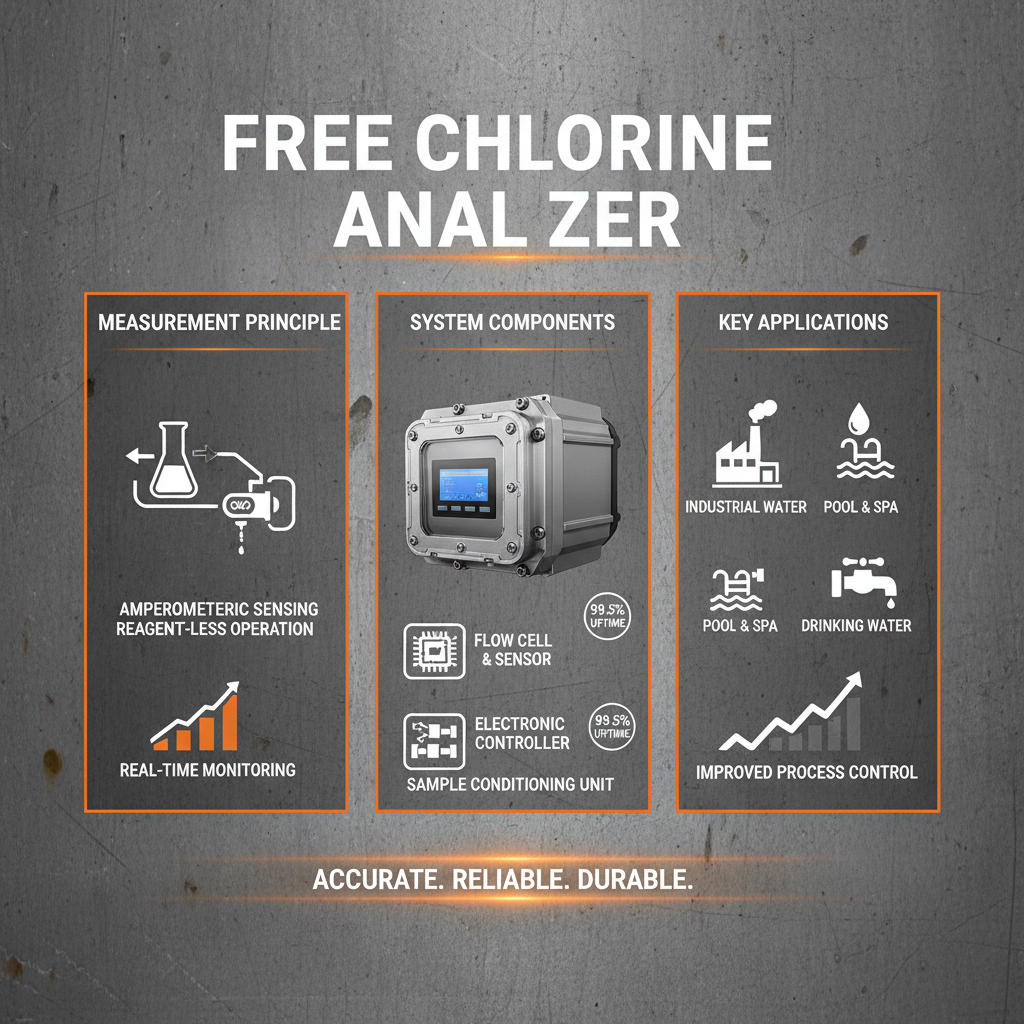
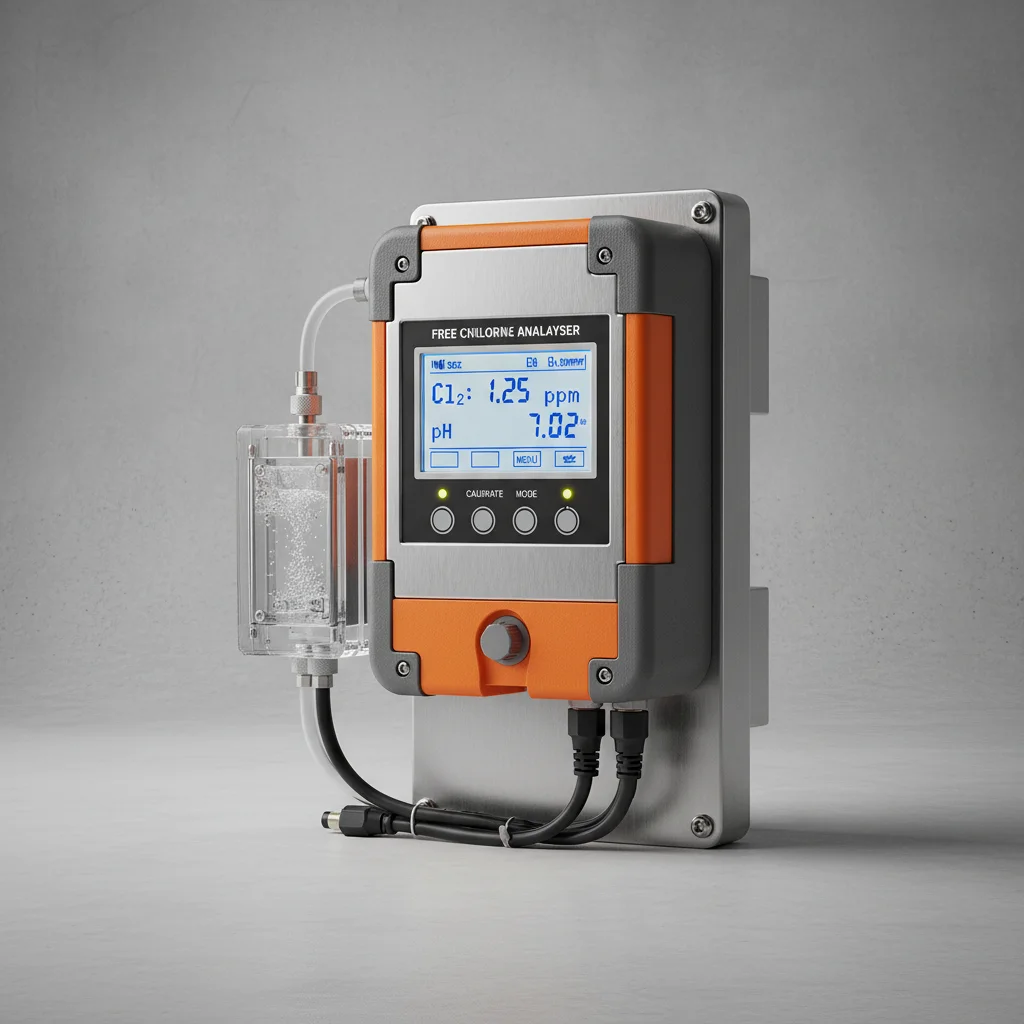
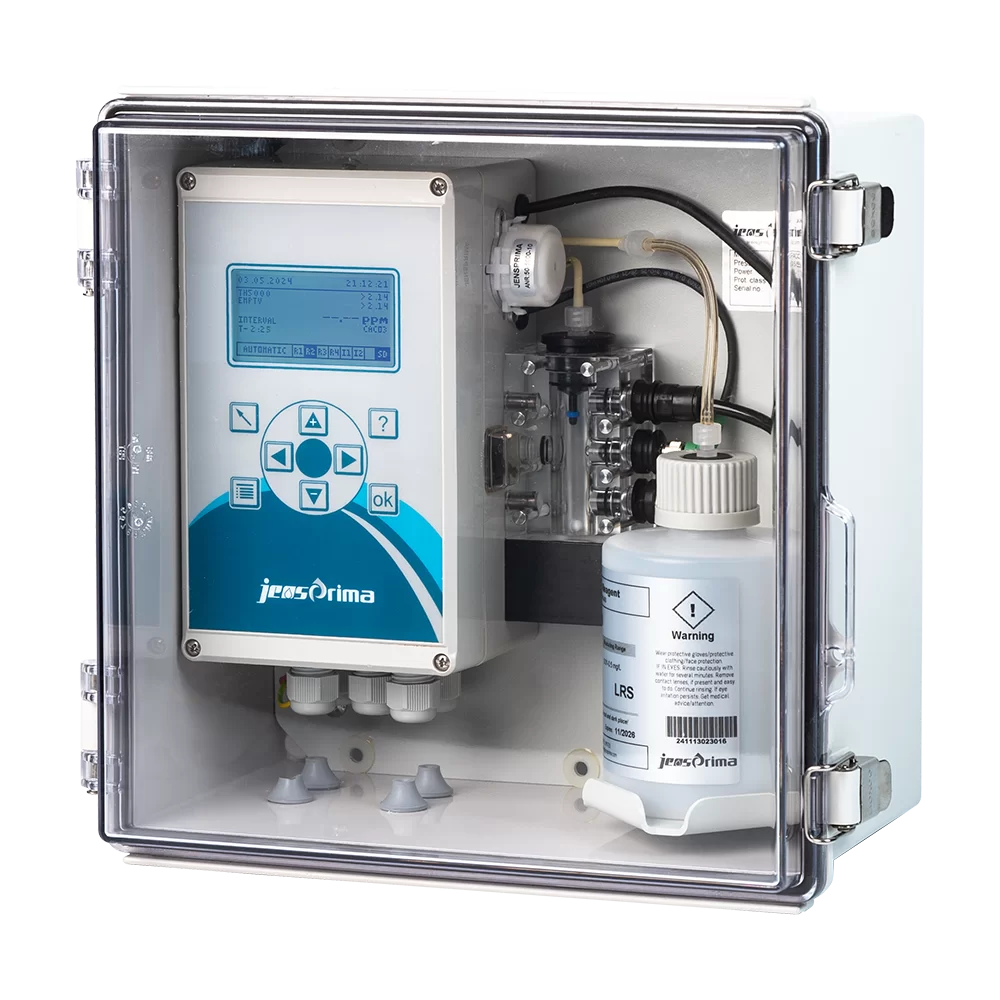
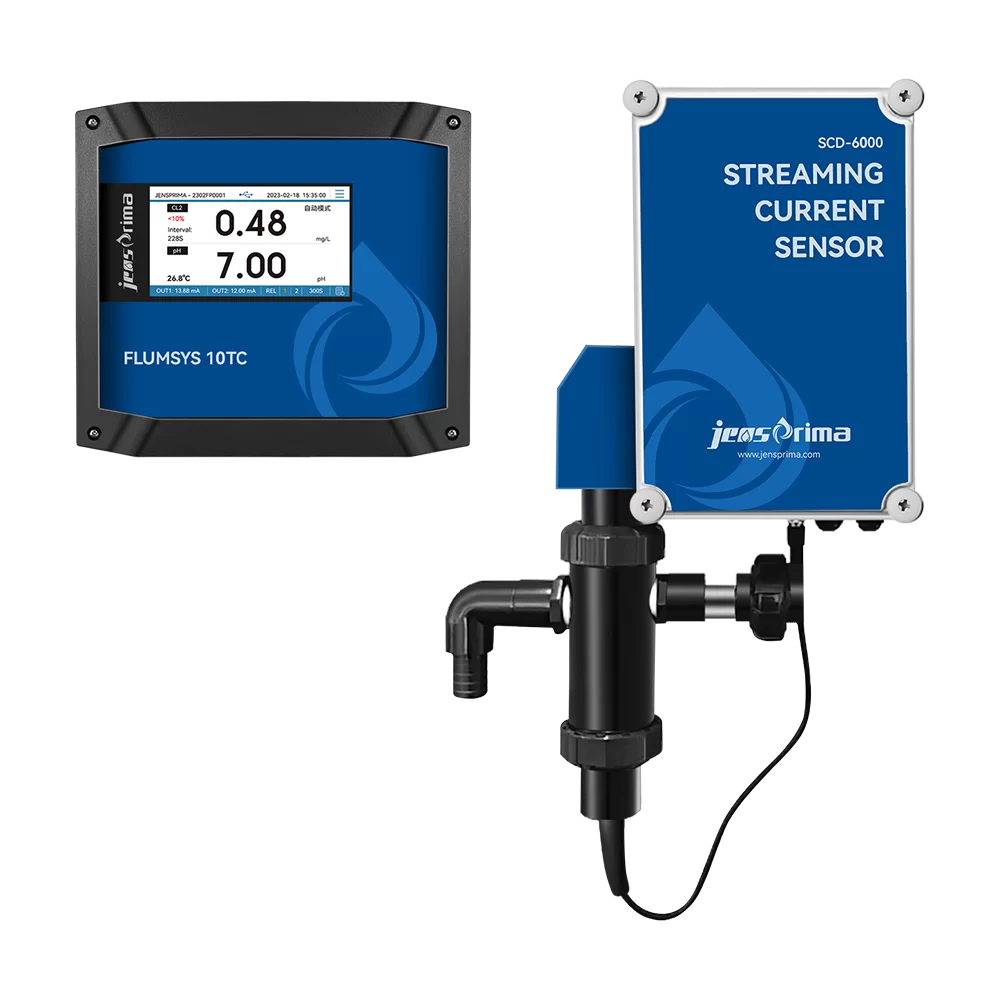
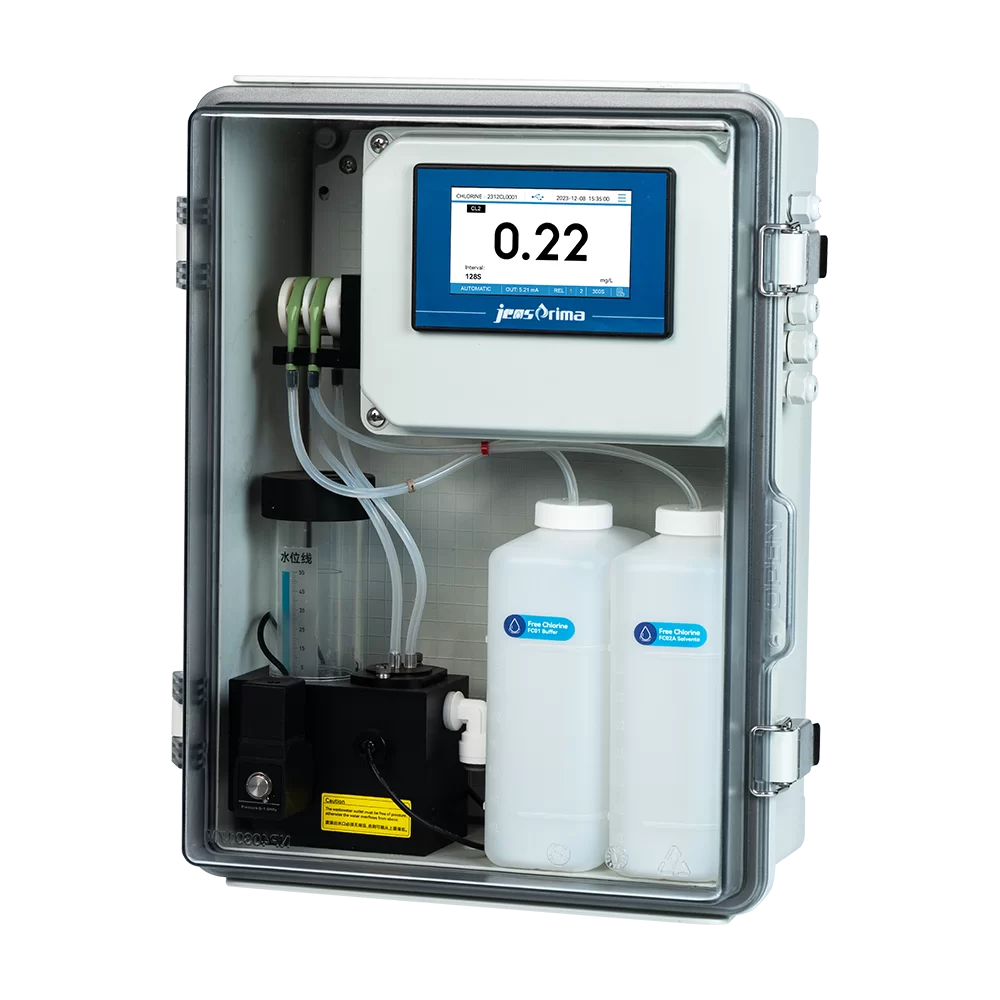
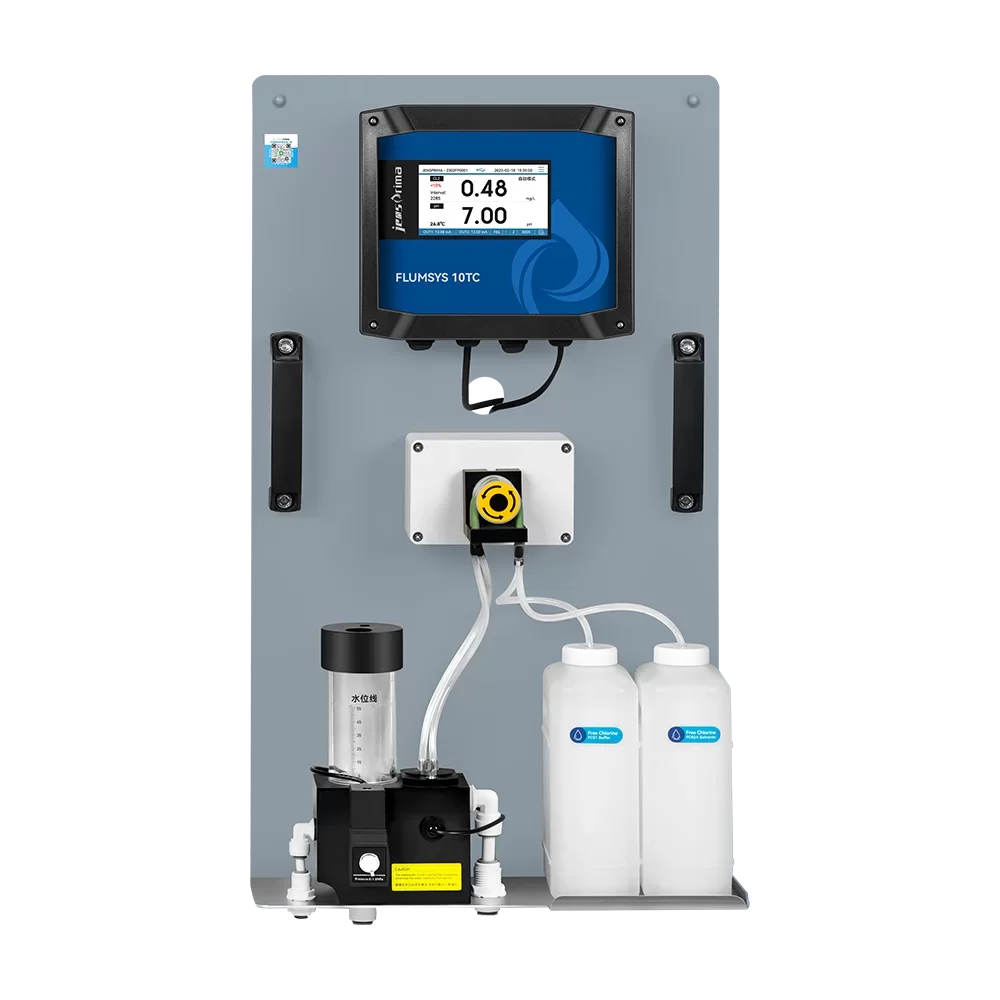
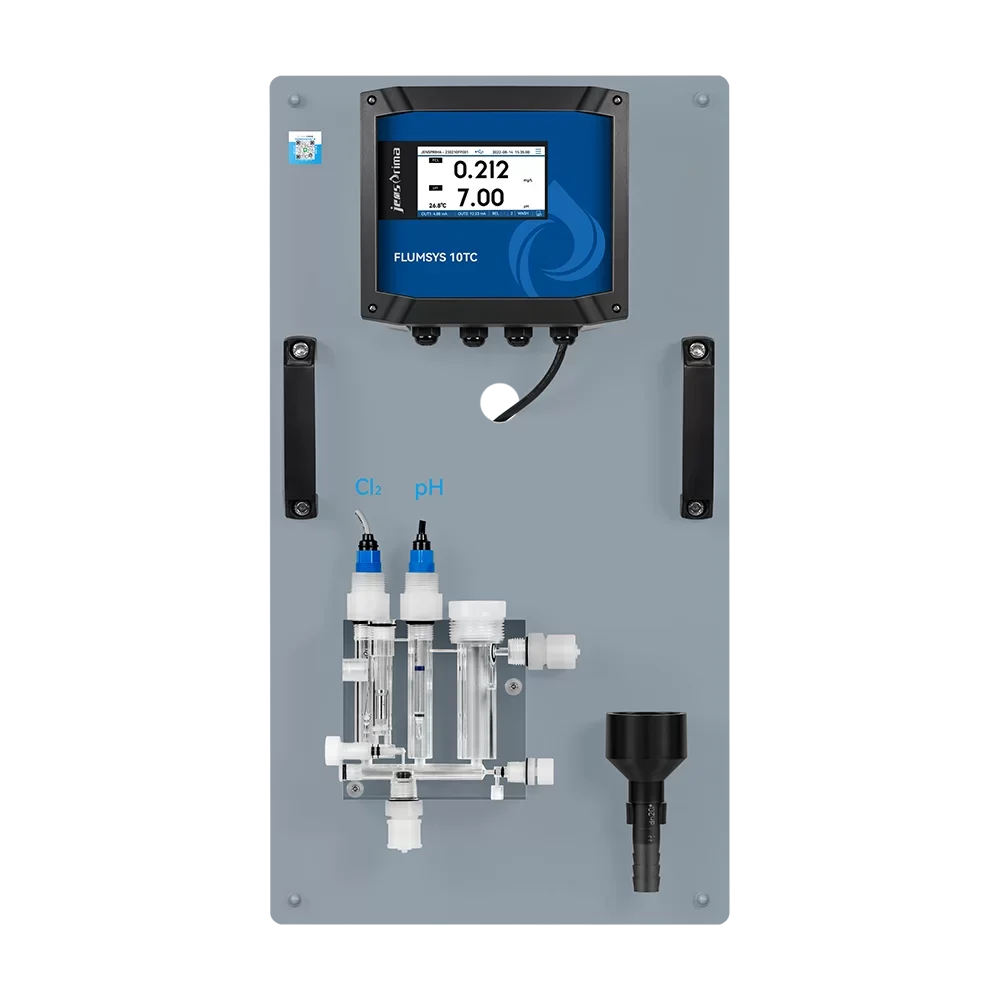
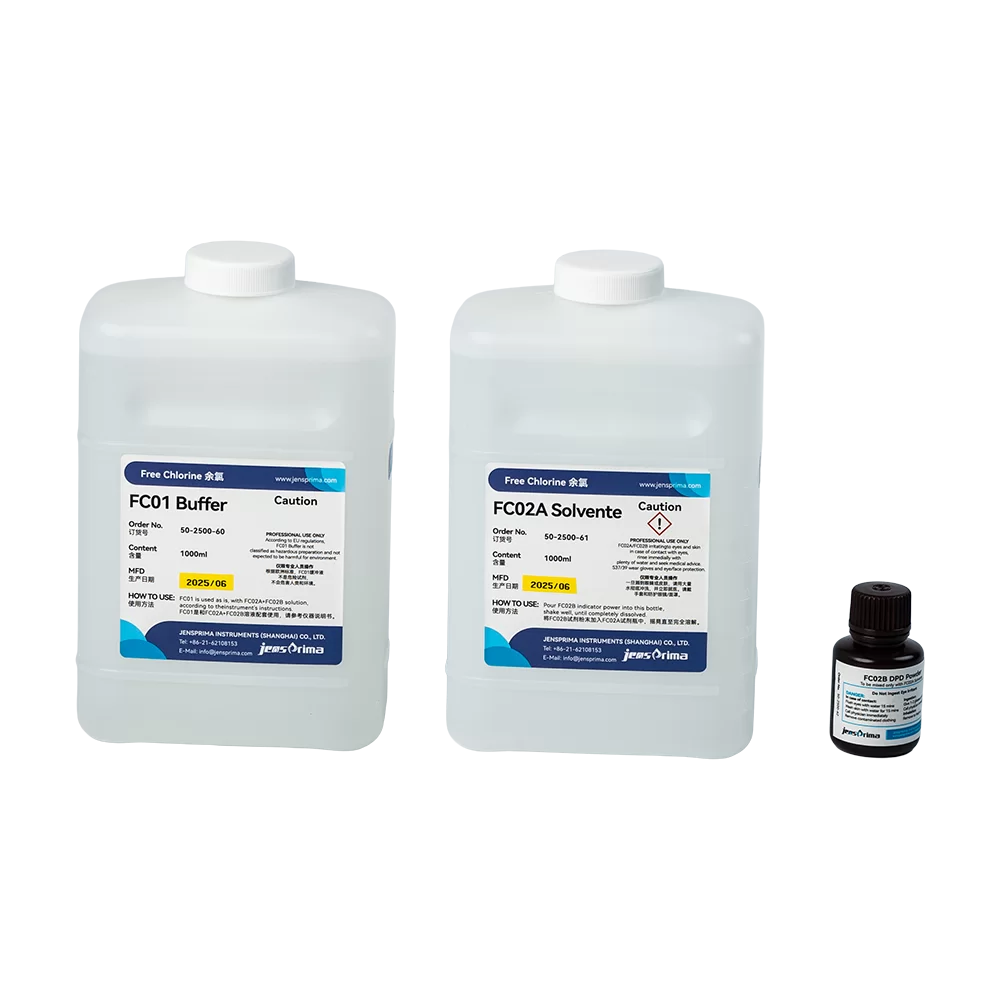
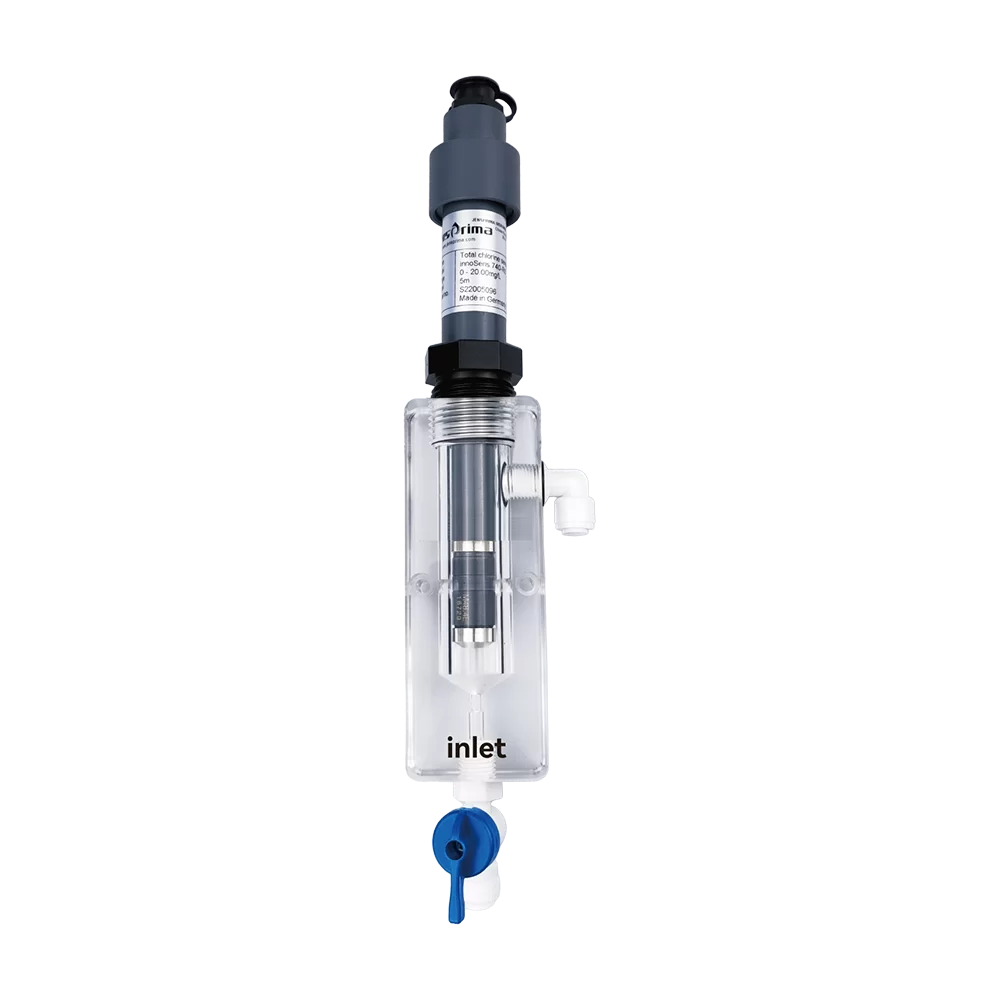
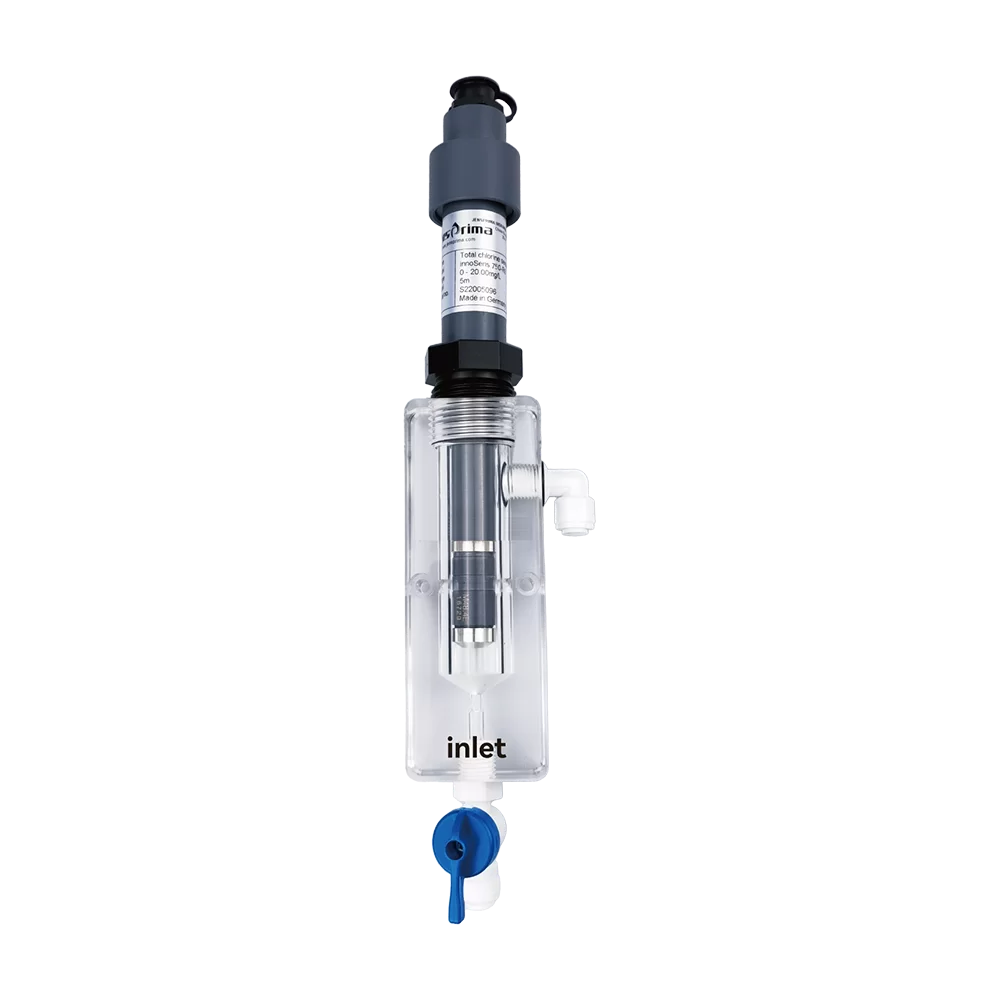
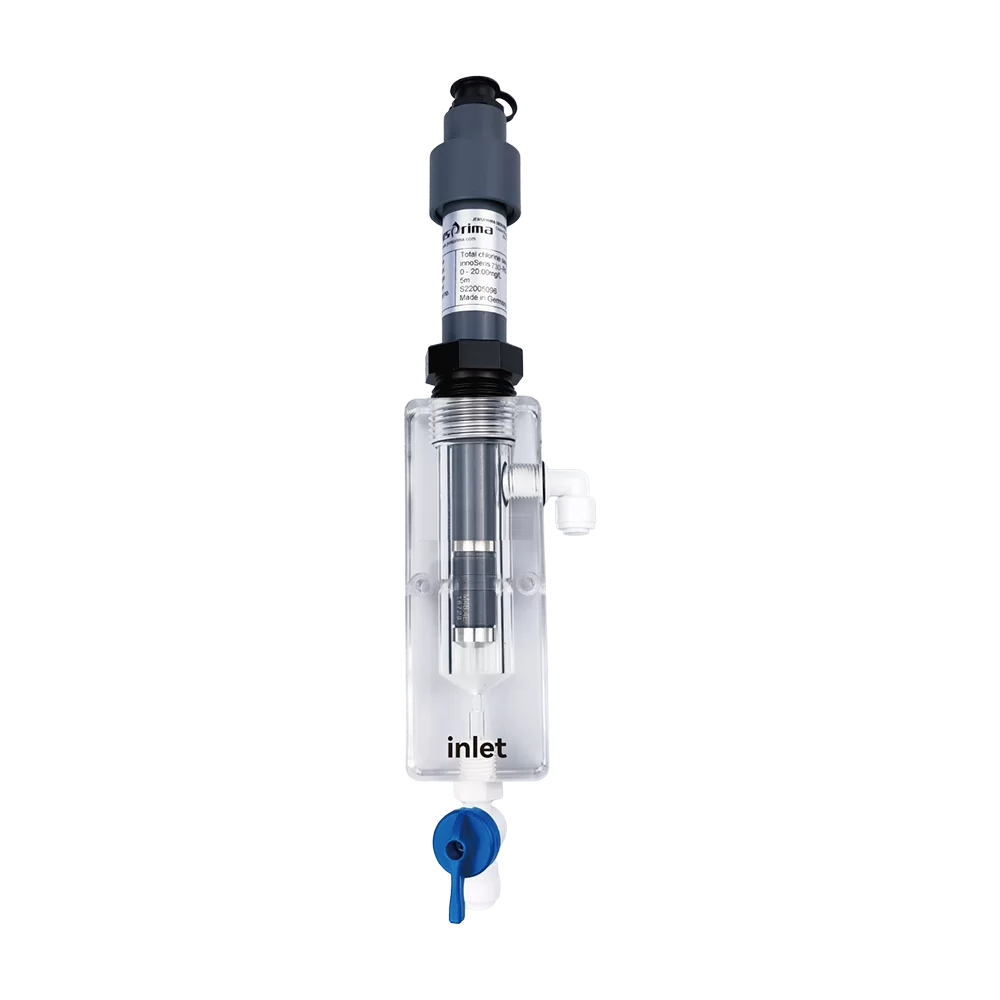
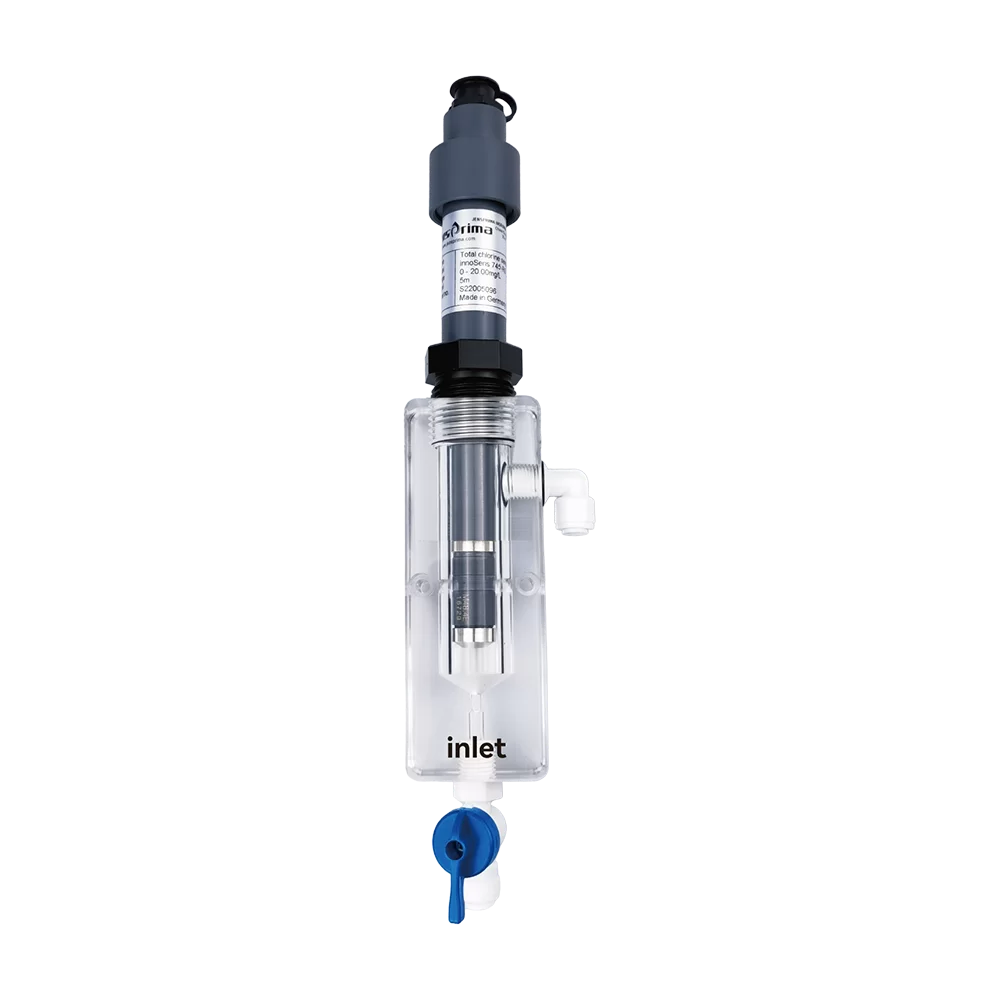
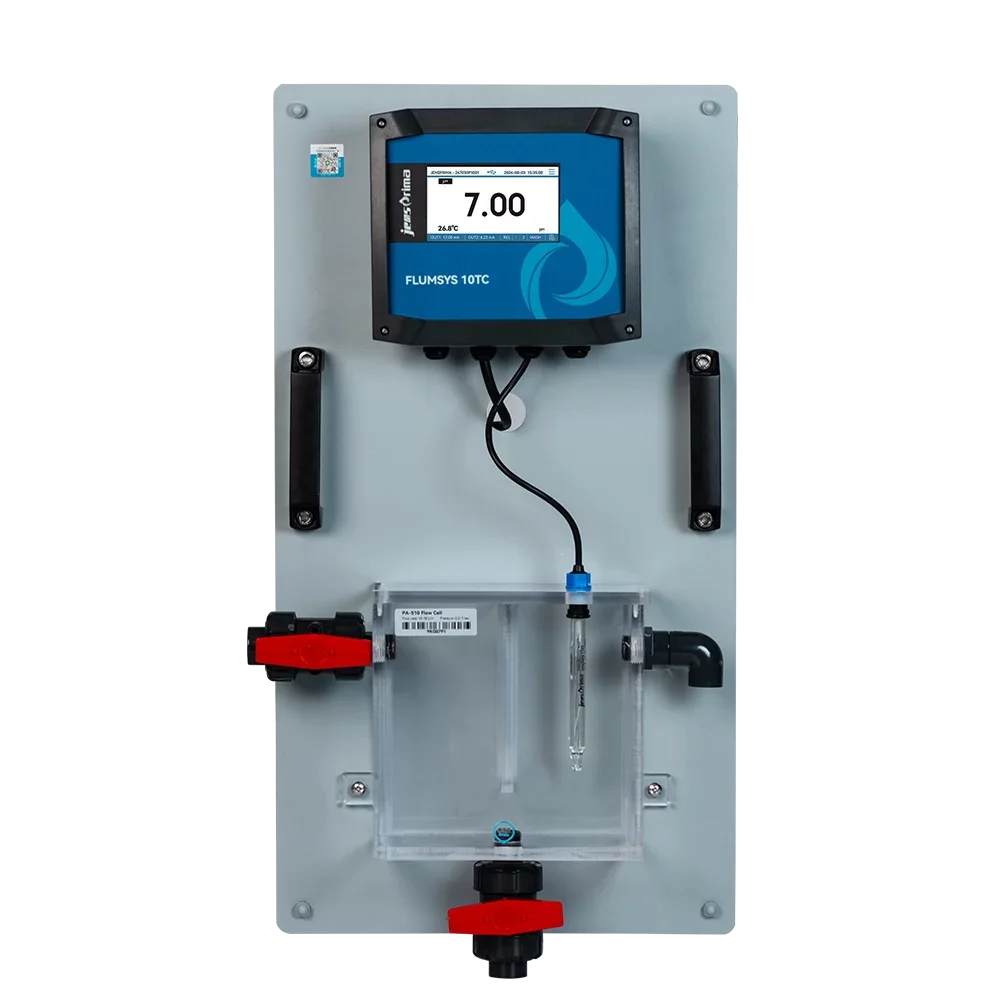
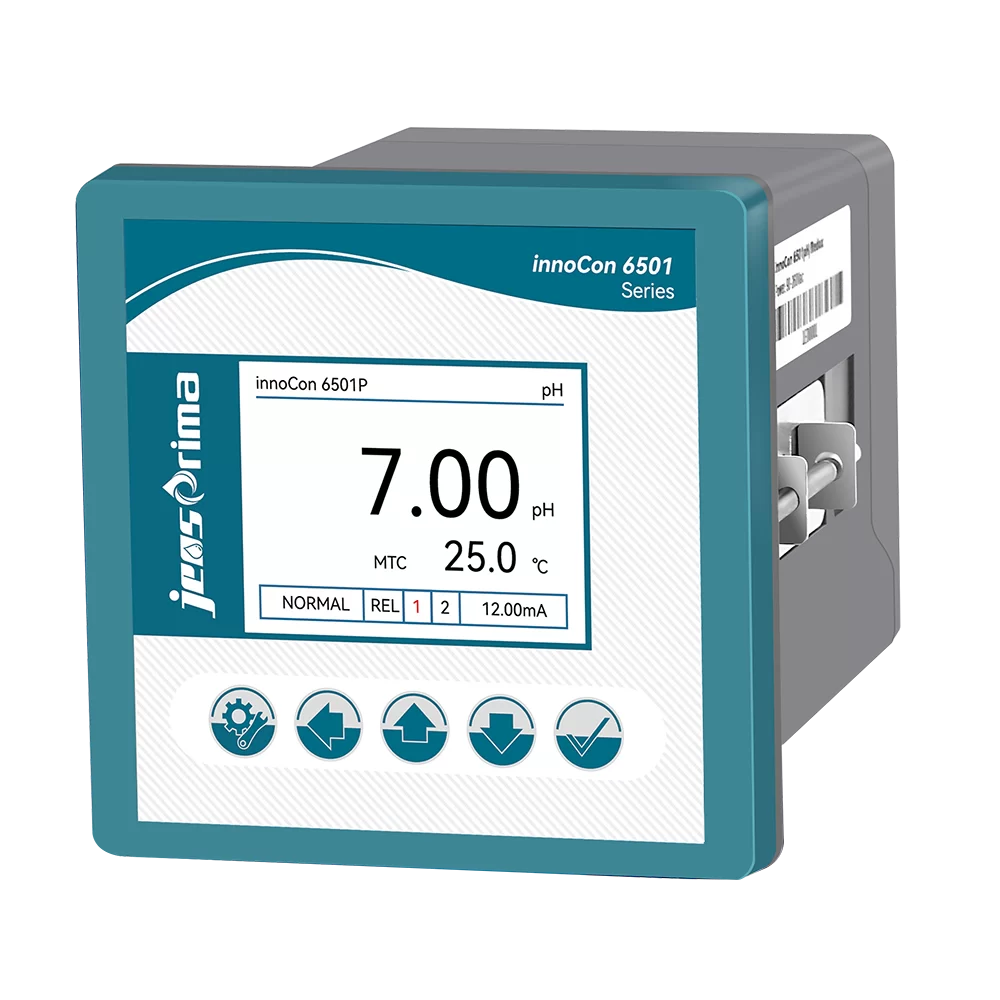
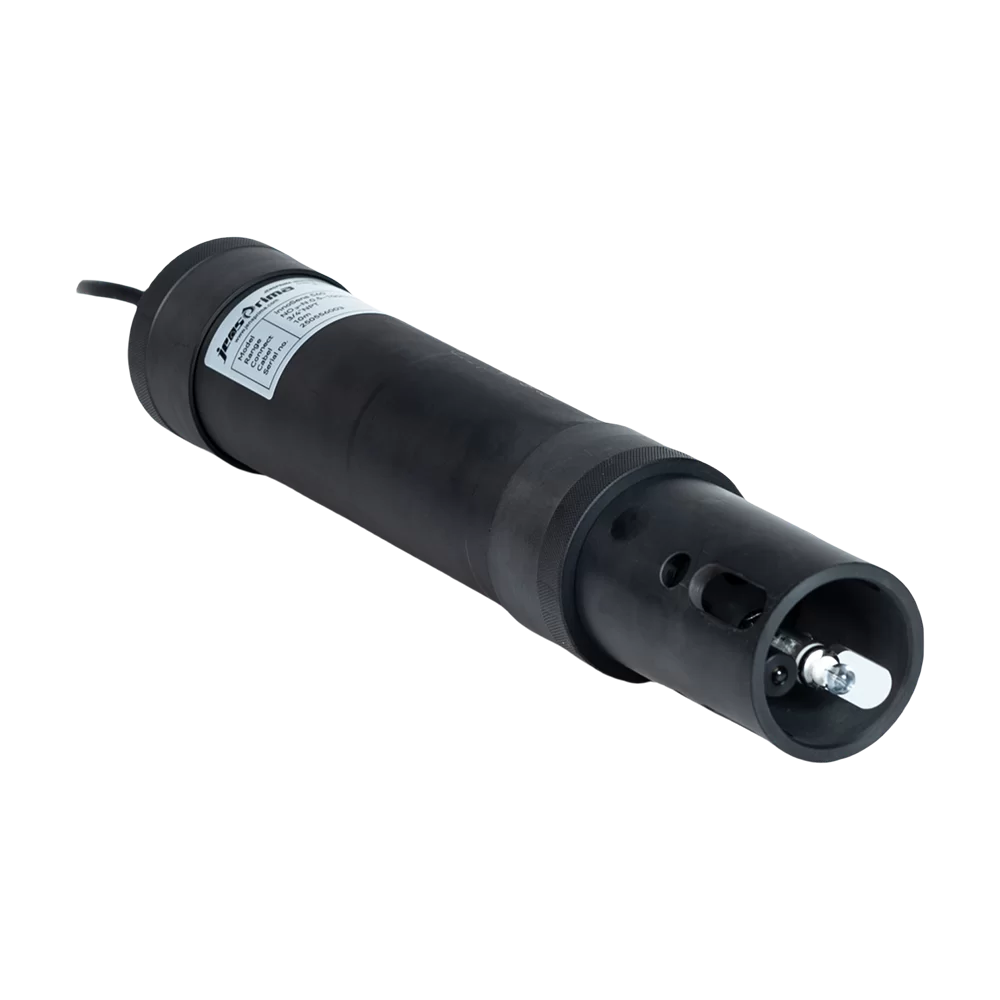
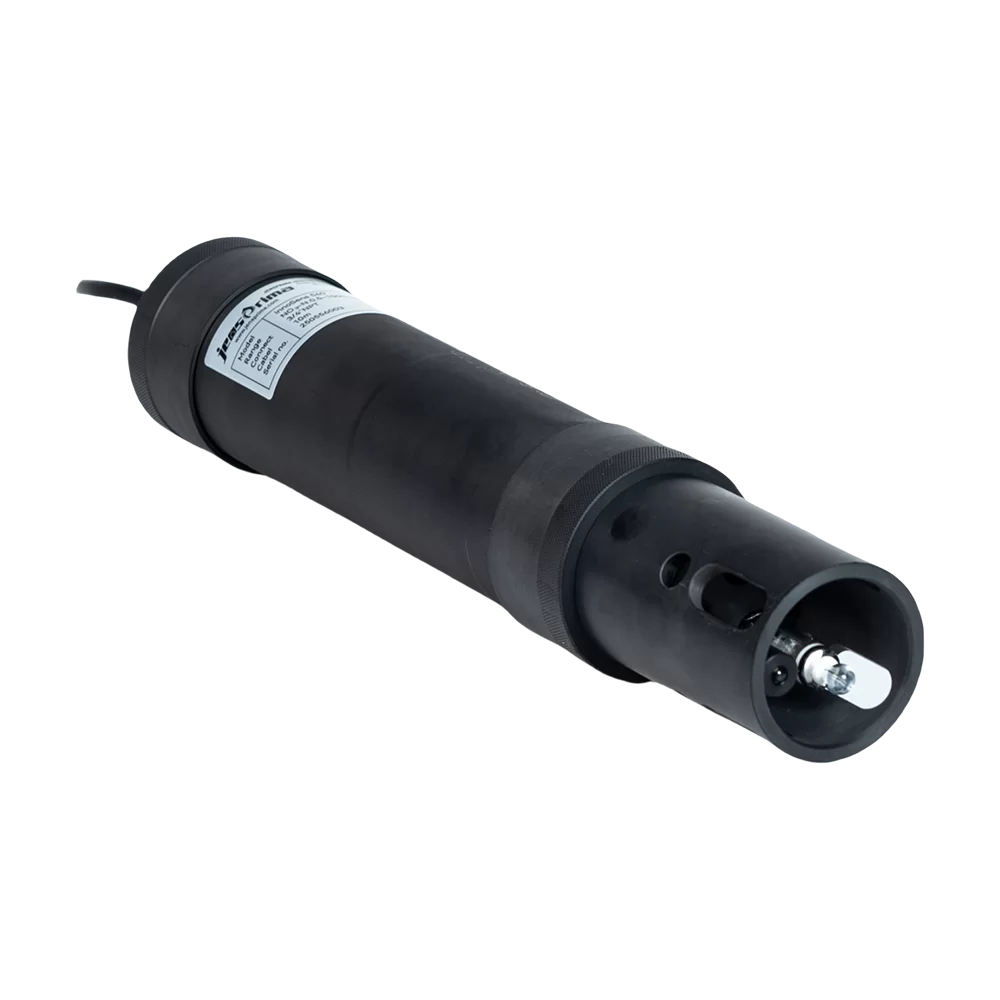
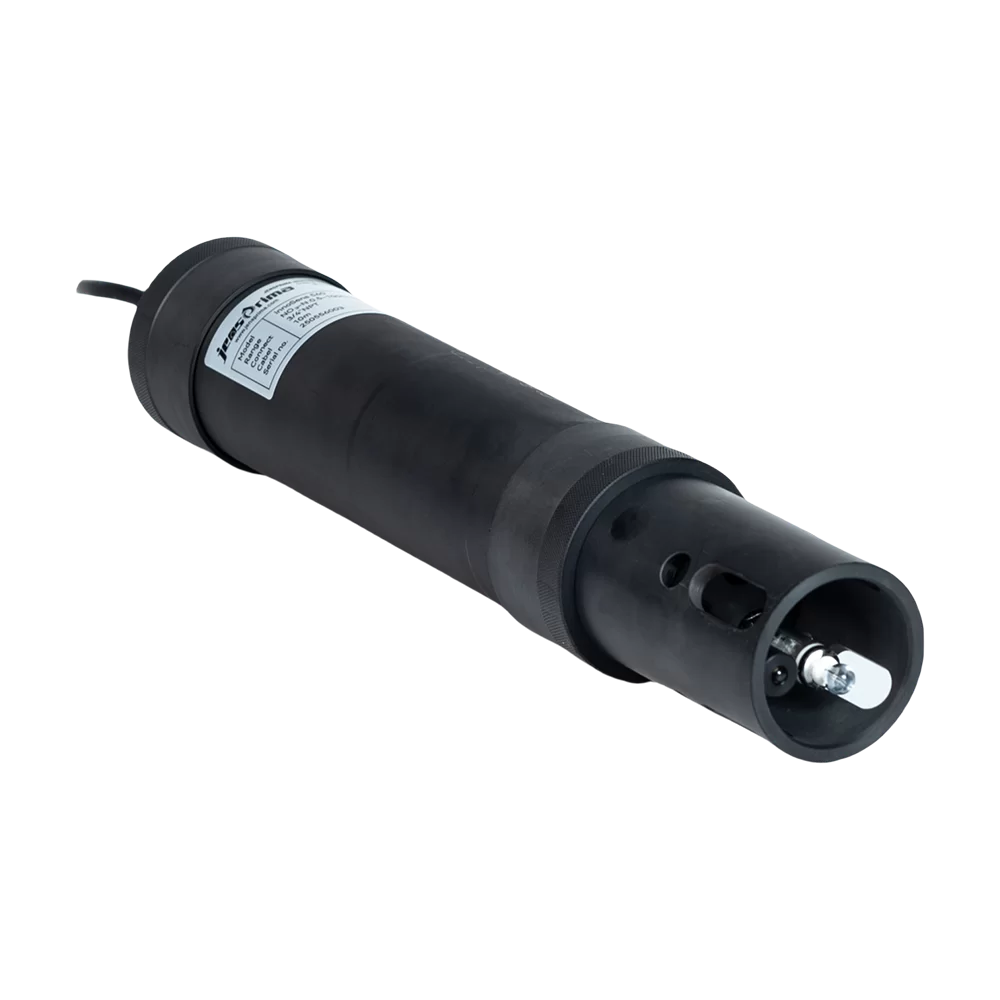
Technologically, these systems typically utilize amperometric sensors or colorimetric reagents coupled with a flow cell to ensure the sample is representative of the main process line. By converting chemical concentrations into an electrical signal, the analyser allows operators to integrate water quality data directly into a SCADA or PLC system for closed-loop control of chlorine dosing pumps.
From a humanitarian and industrial perspective, this technology ensures that whether in a high-tech semiconductor fab or a remote village water kiosk, the water is biologically safe. It bridges the gap between laboratory-grade precision and field-grade durability, providing a continuous "digital eye" on the most critical parameter of water disinfection.
Core Components for Maximum Accuracy
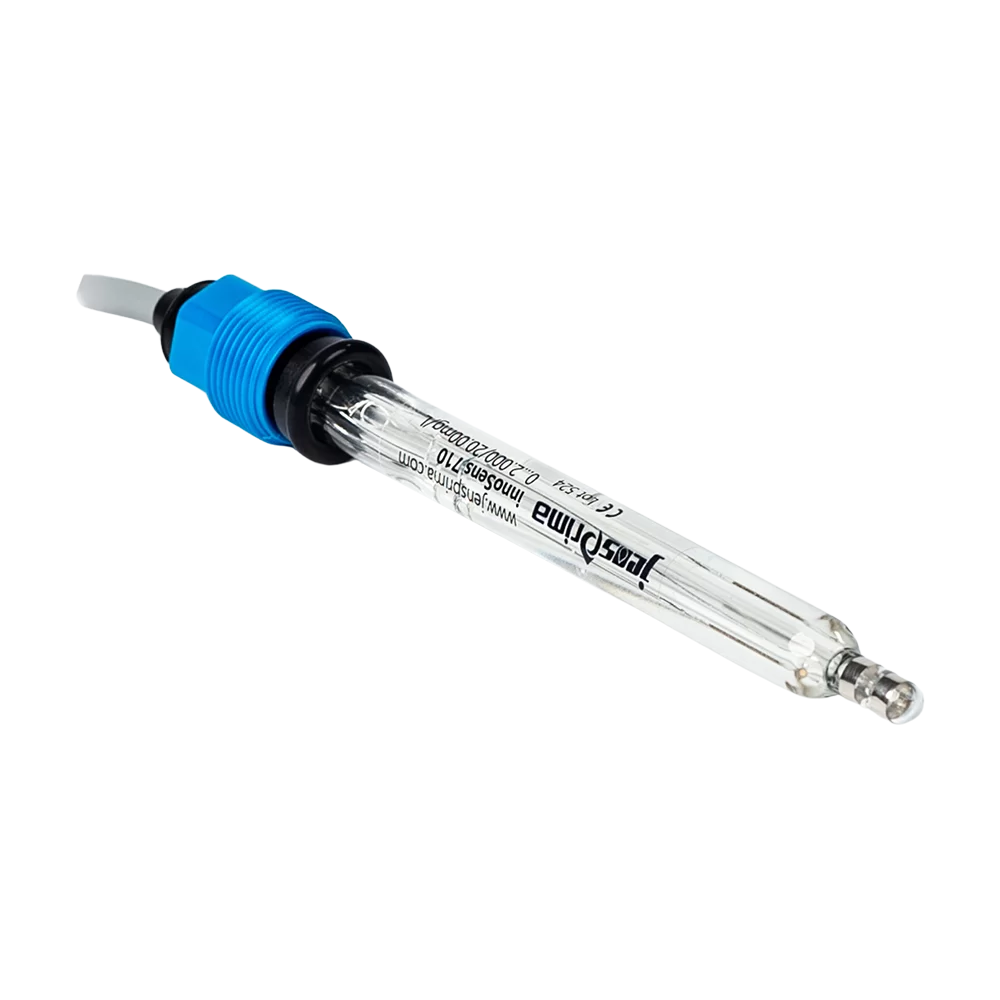
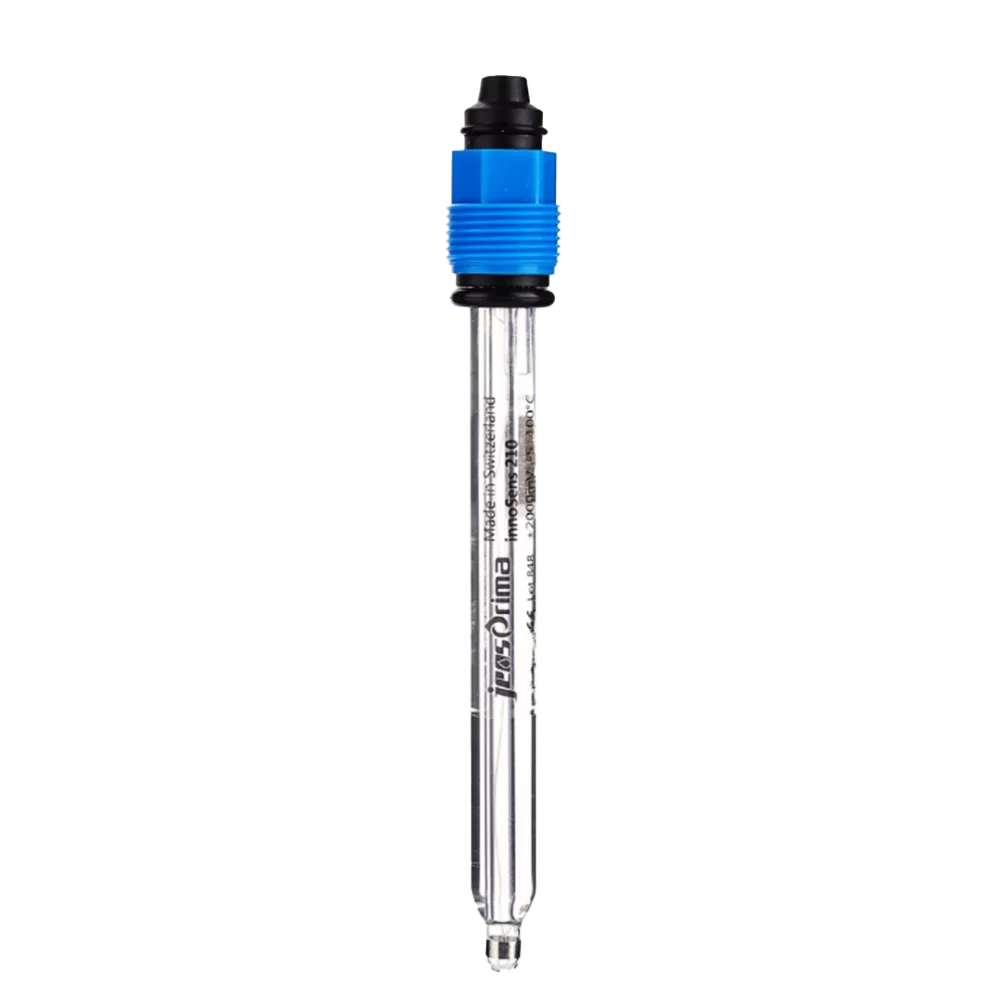
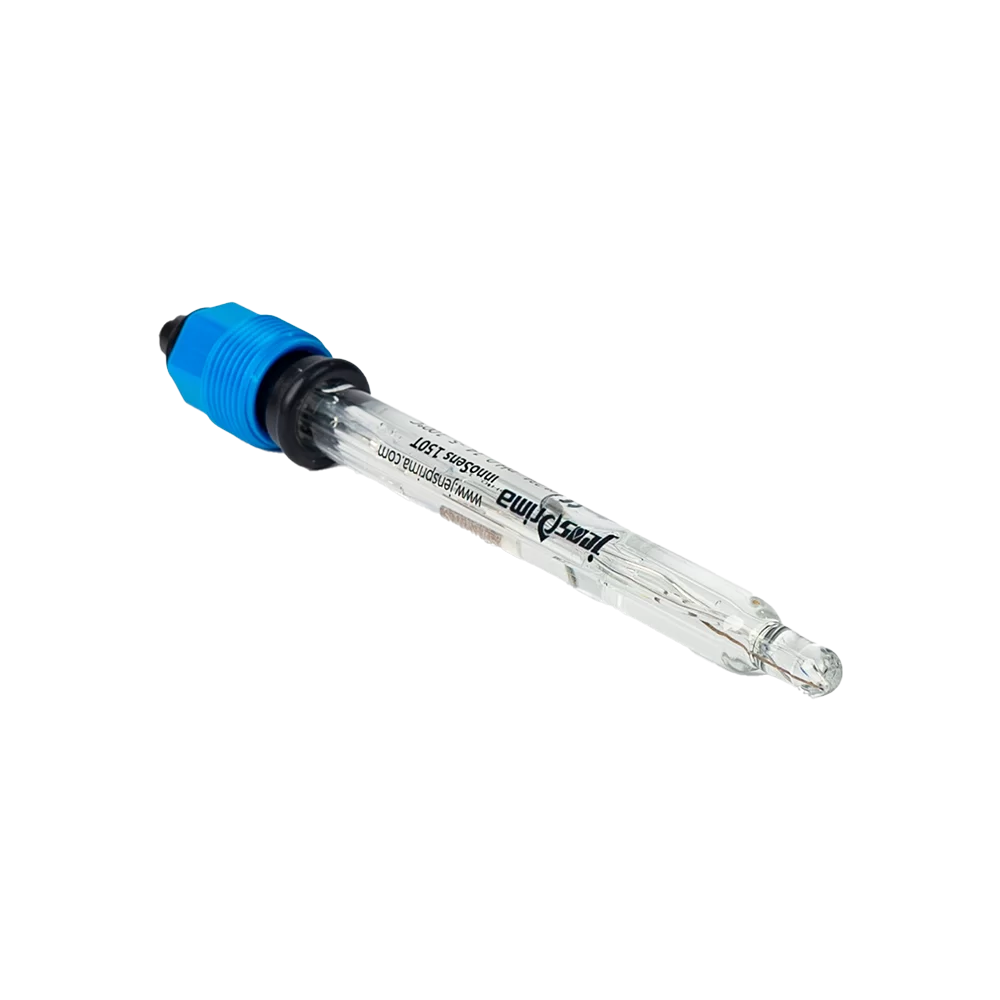
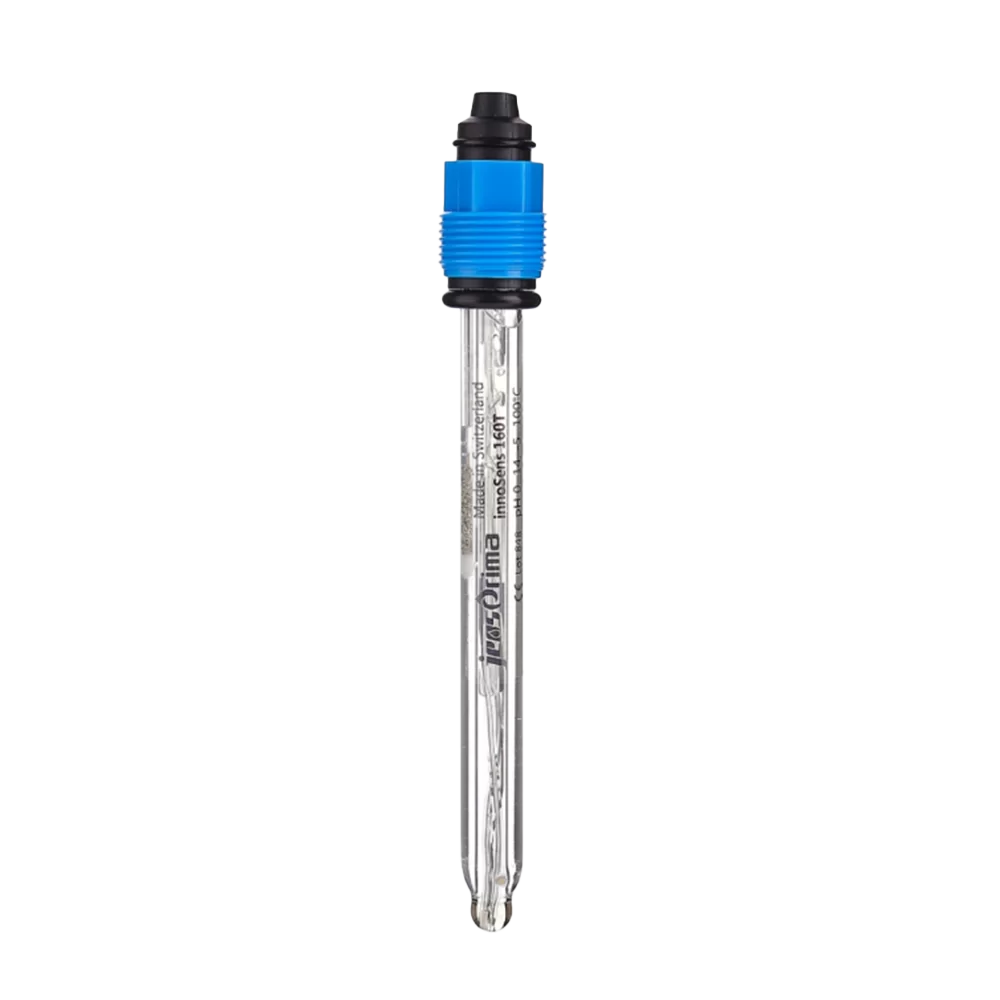
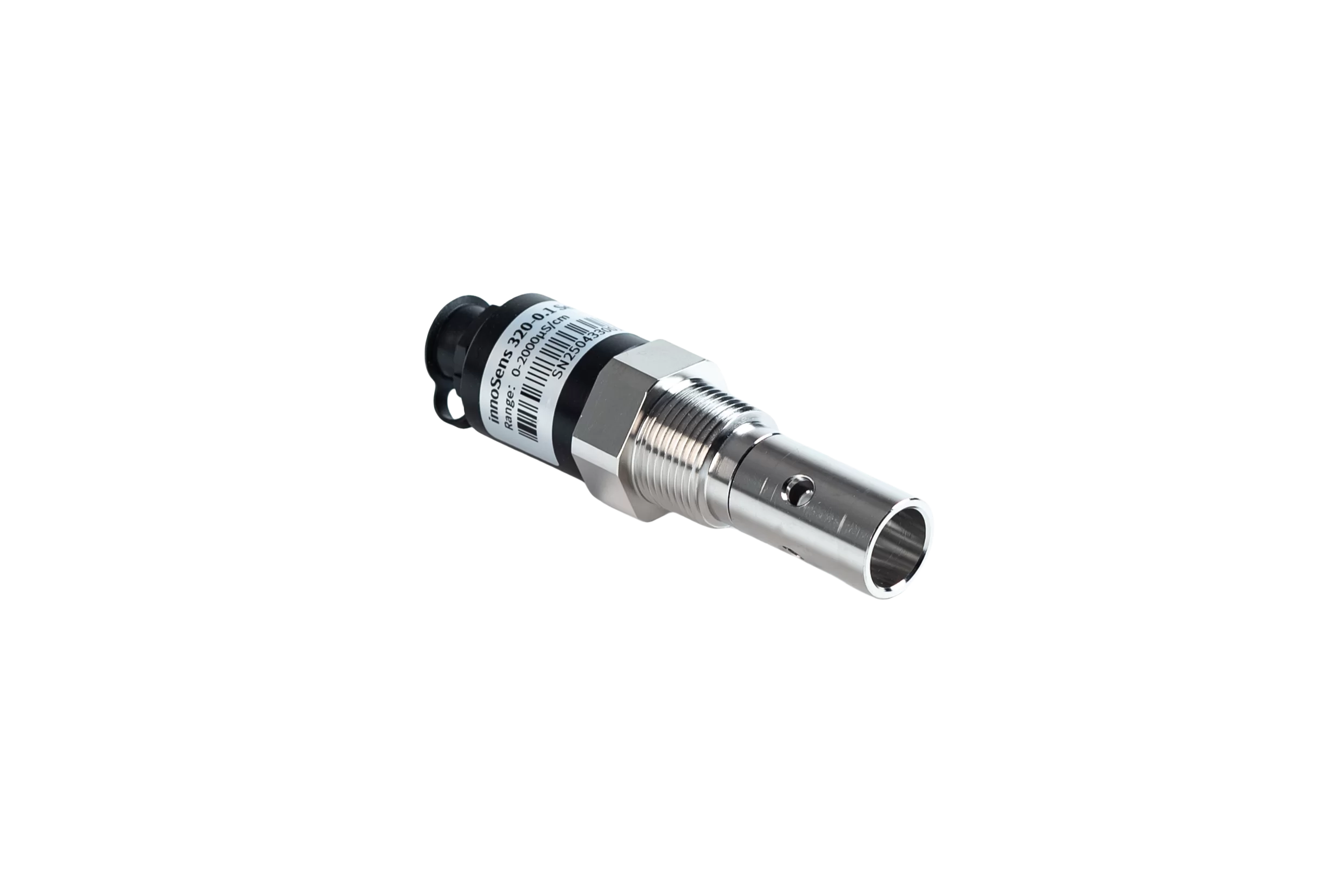
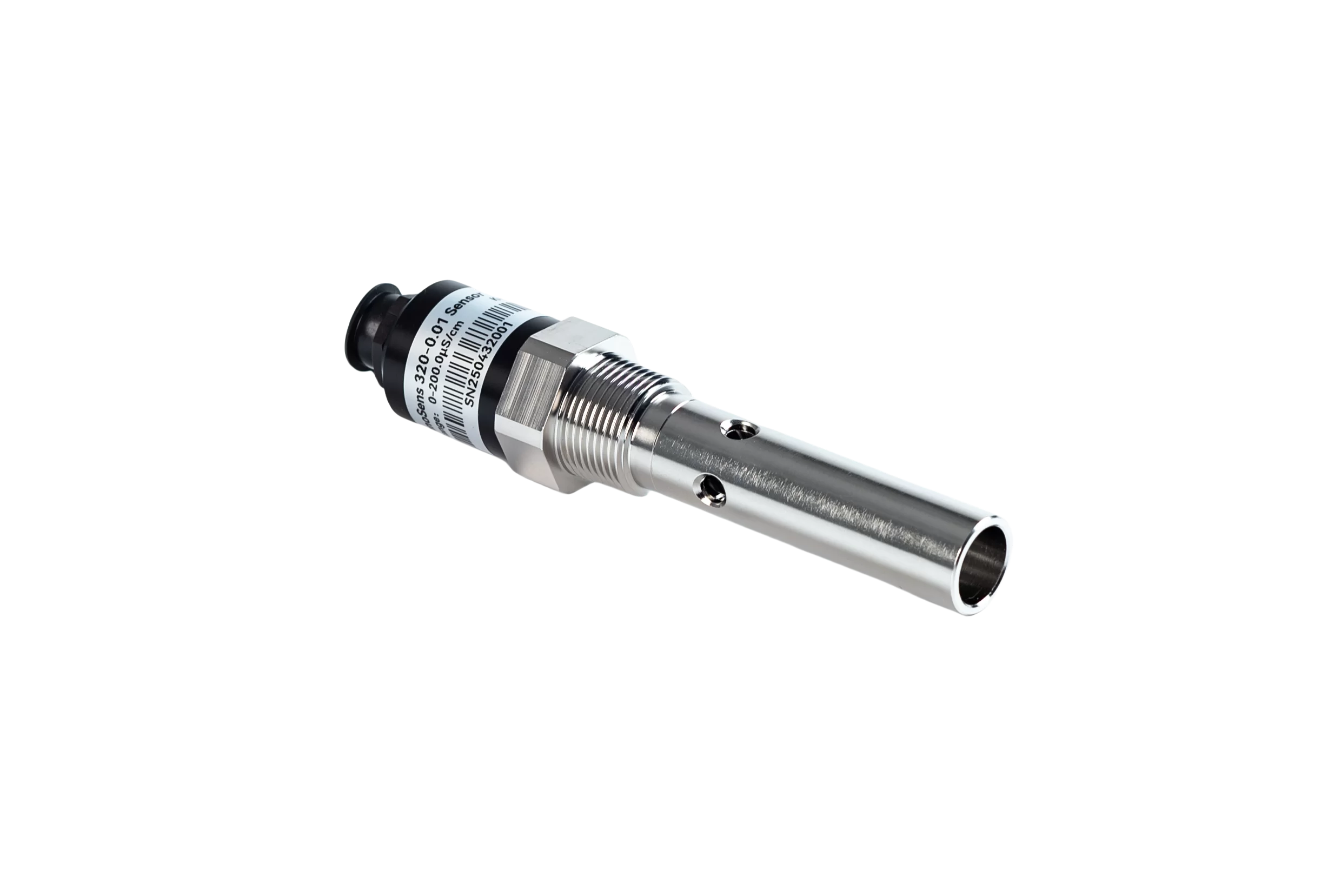
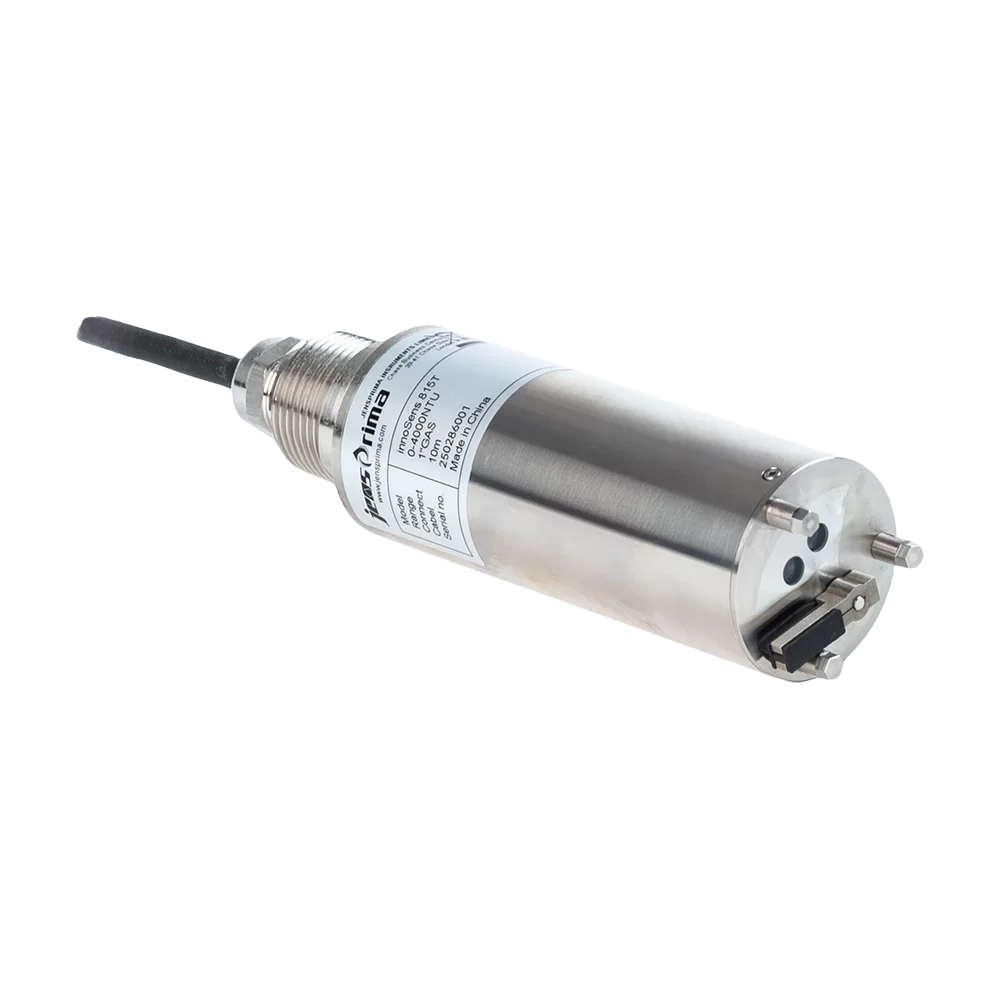
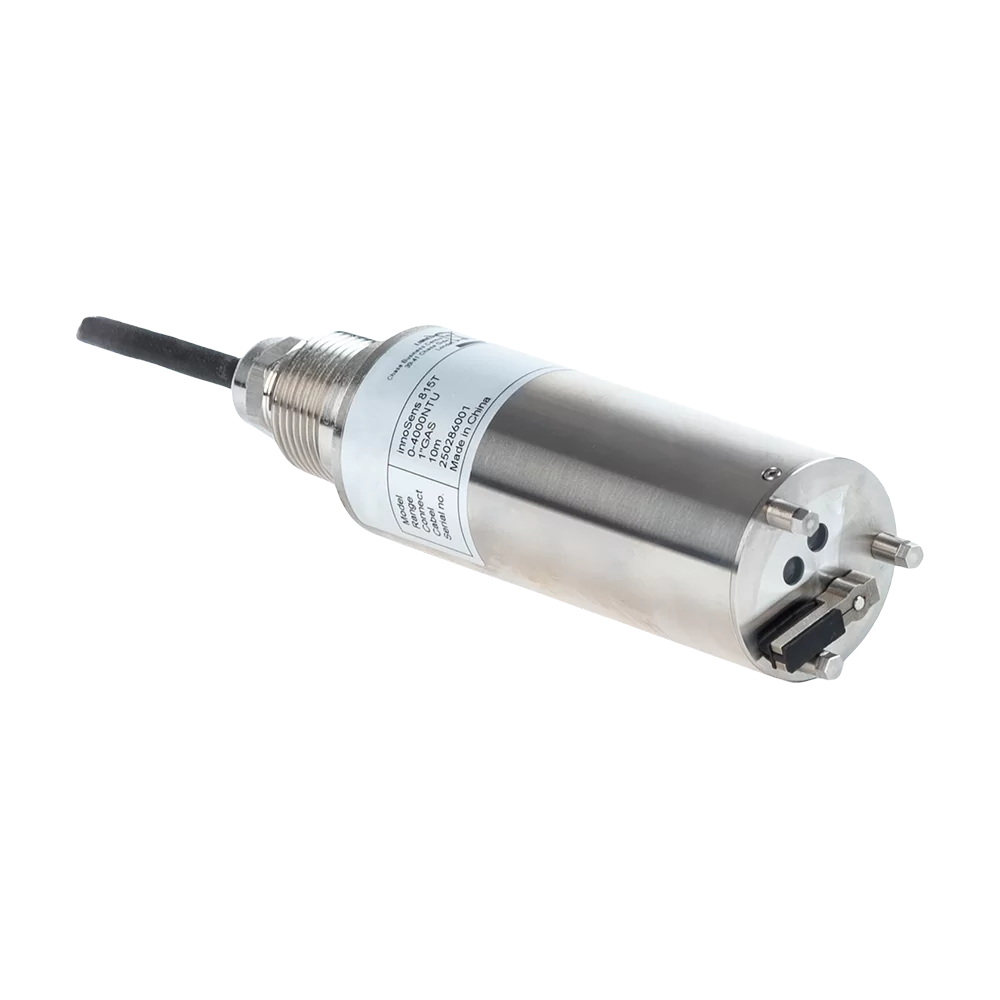
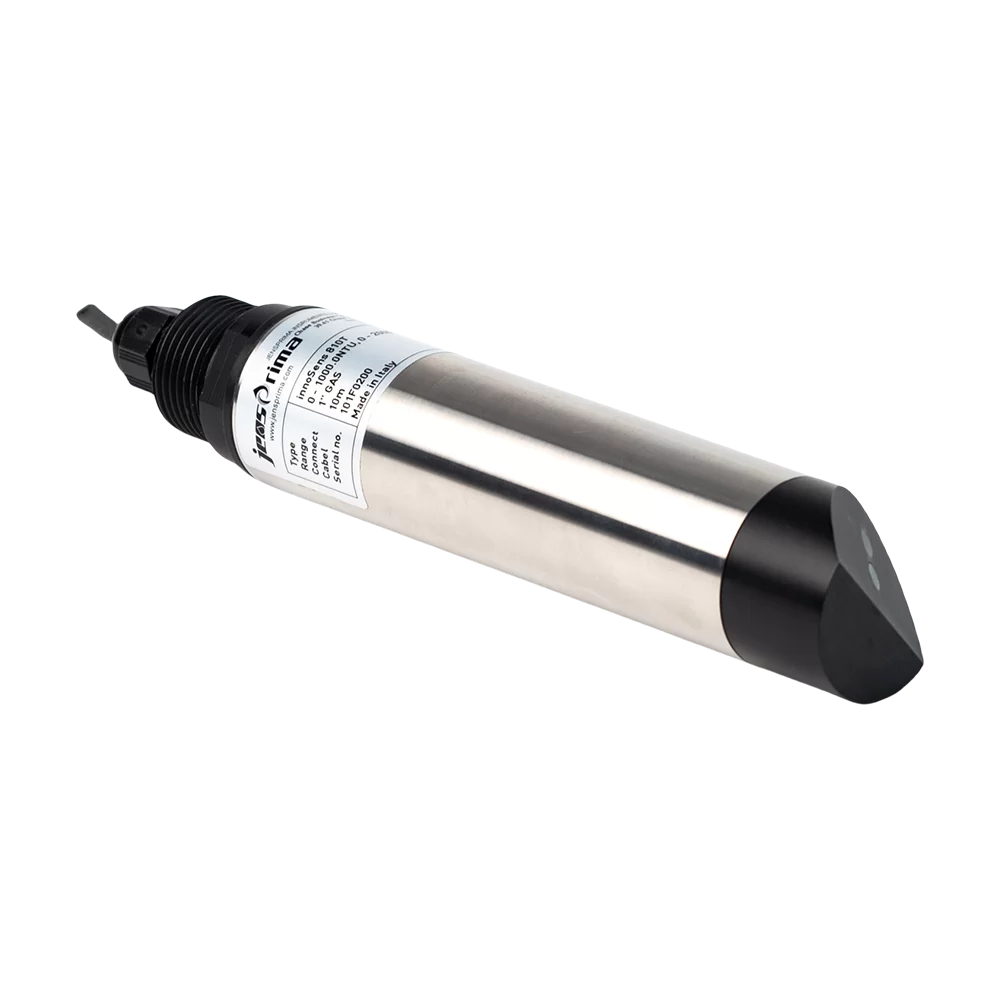
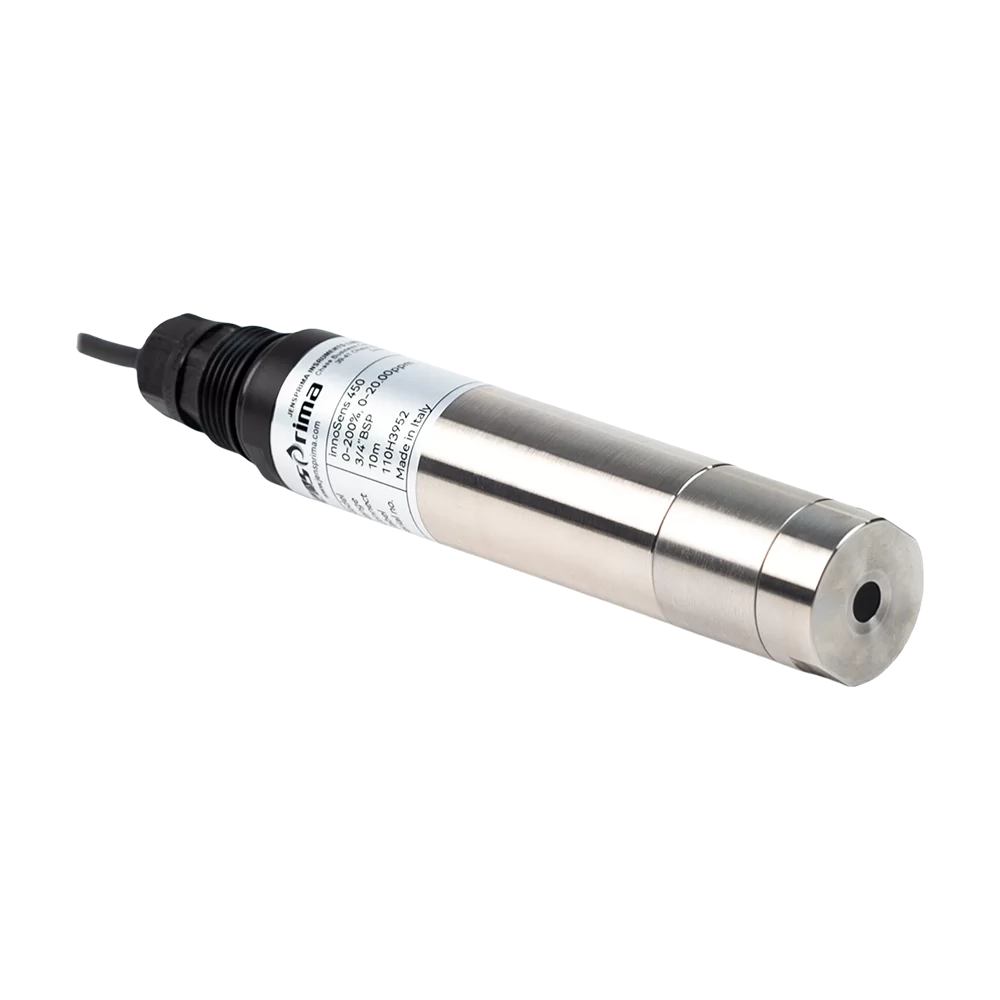
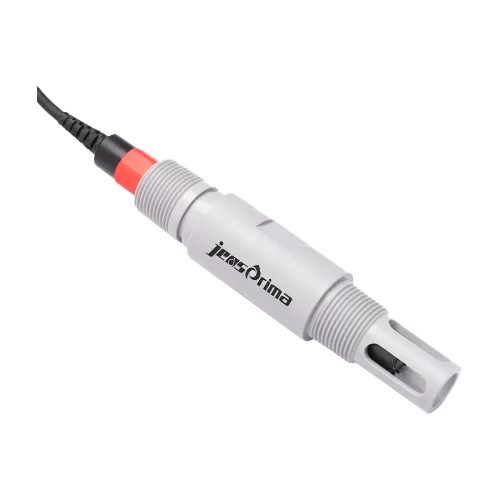
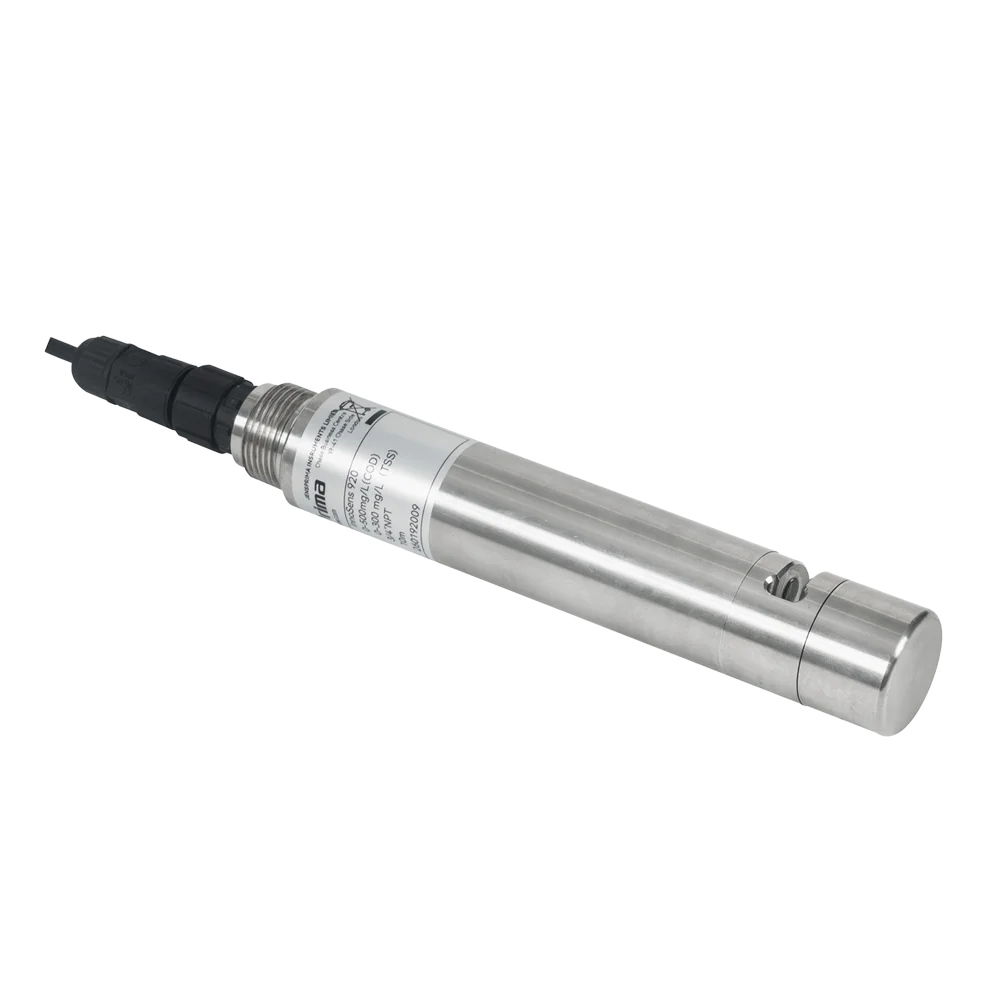
The reliability of an online free chlorine analyser depends heavily on its sensor durability. Most high-end systems employ gold or platinum electrodes that are resistant to fouling, ensuring that the measurement does not drift significantly over time, even when exposed to fluctuating water temperatures or pressures.
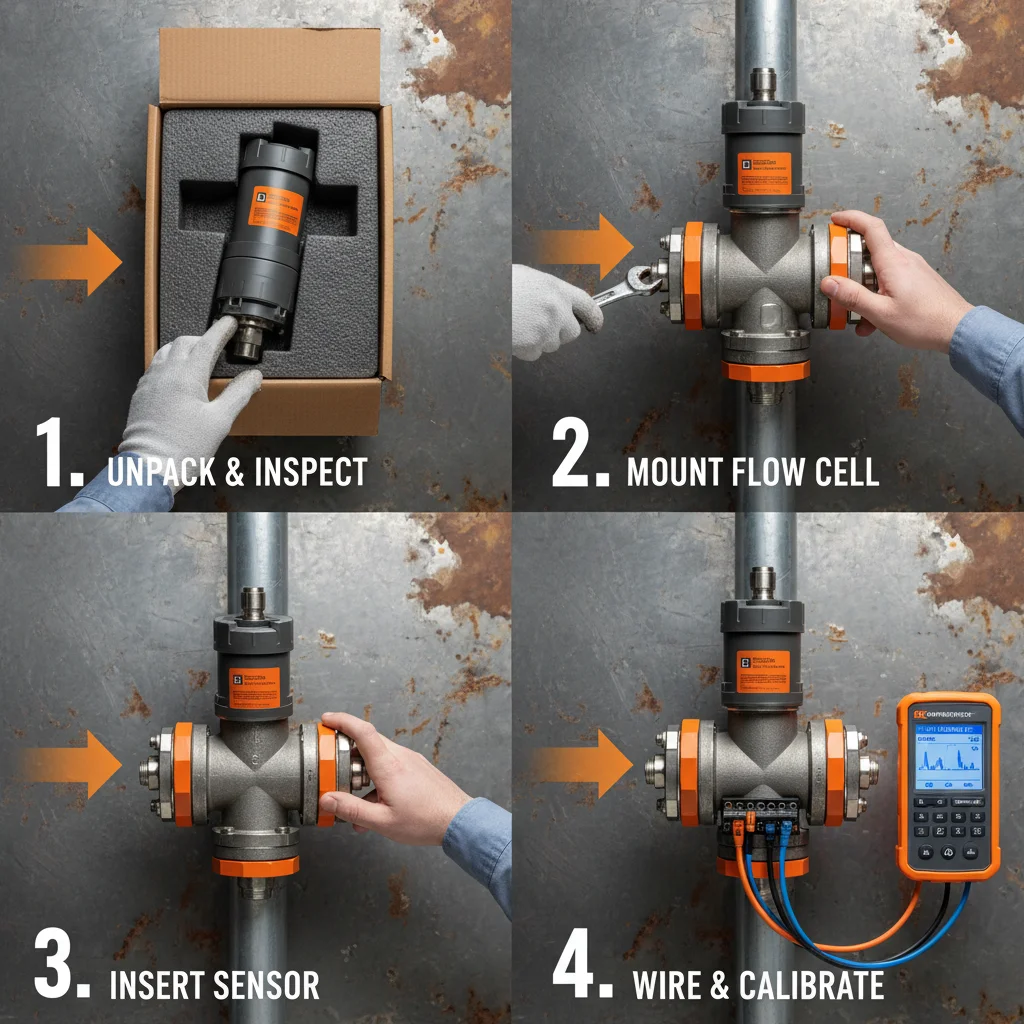
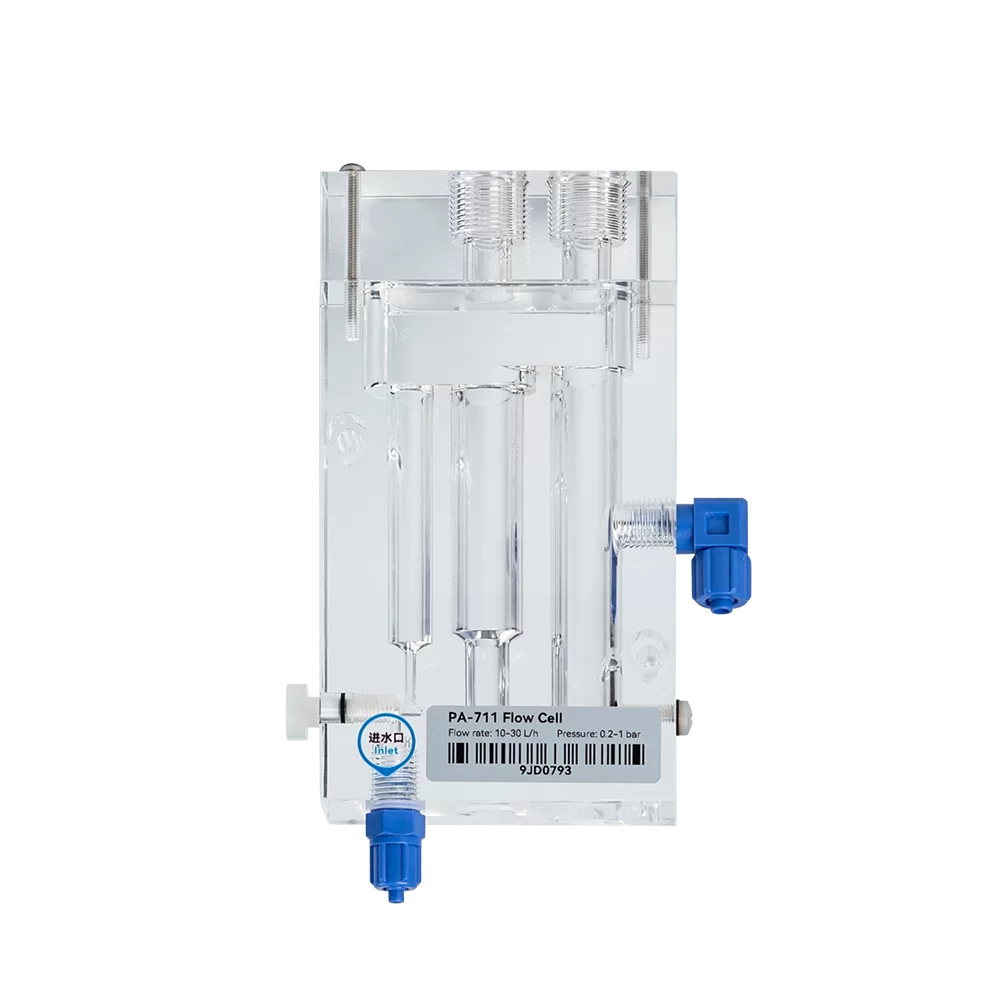
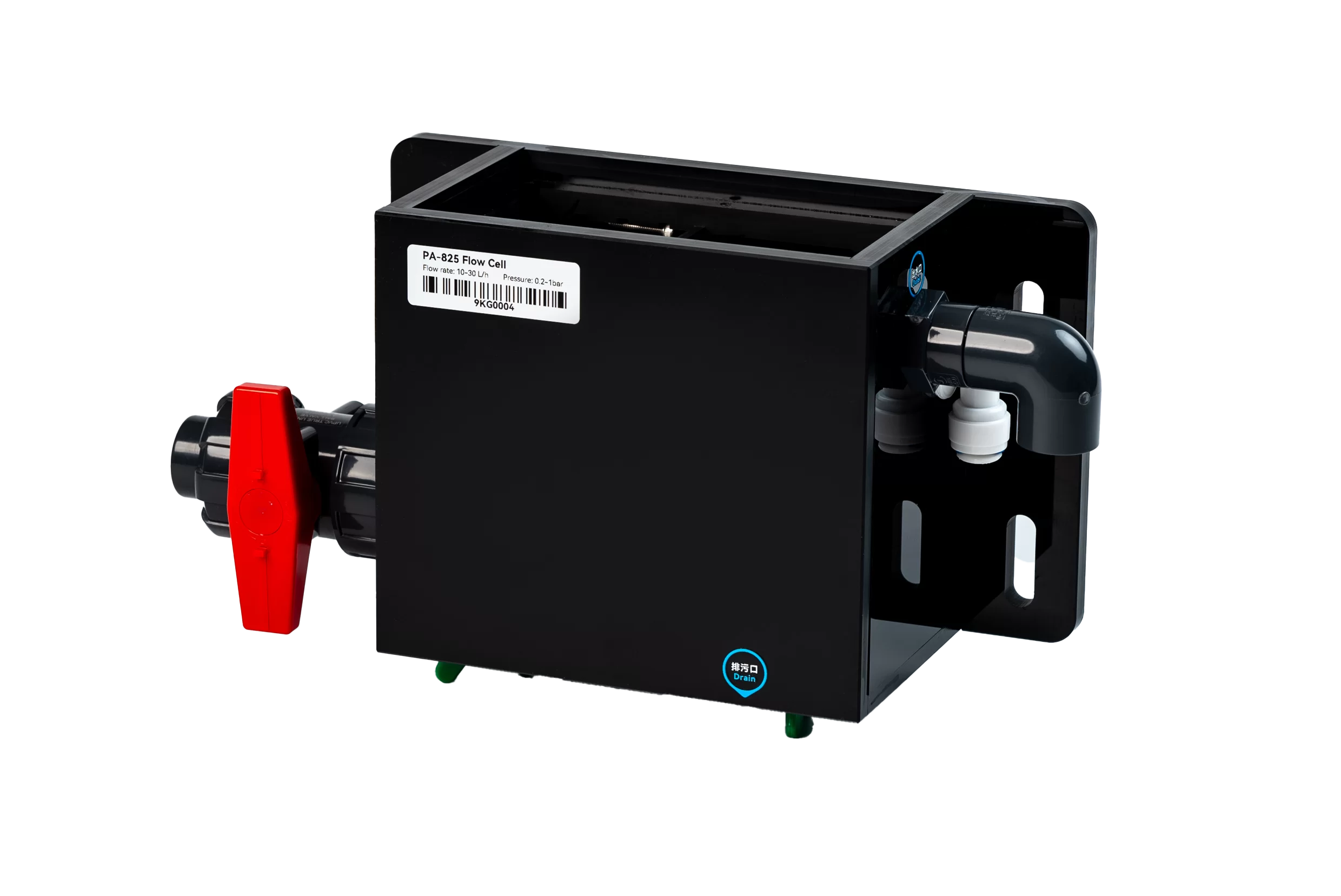
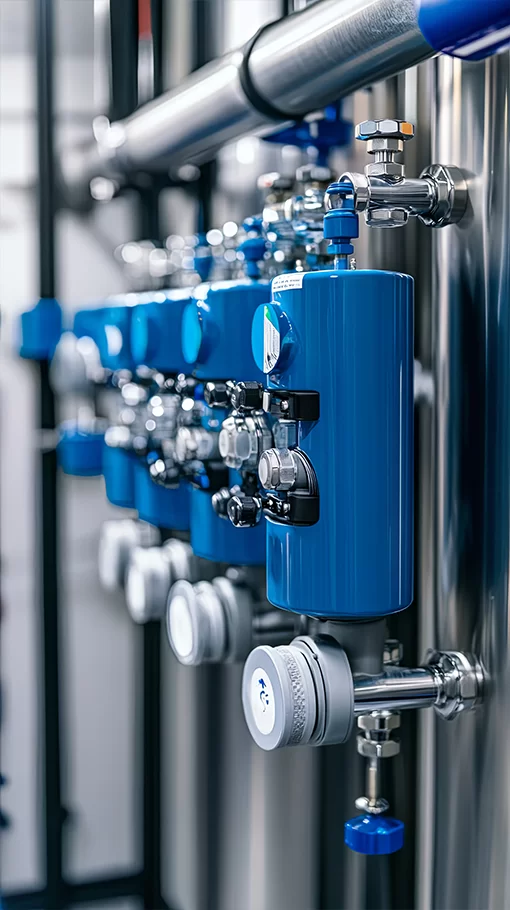
A critical component is the flow cell design. An optimized flow cell ensures that the sample reaches the sensor with a constant flow rate and minimal aeration, as dissolved oxygen and air bubbles can interfere with the electrochemical readings of the online free chlorine analyser, leading to false positives or instability.
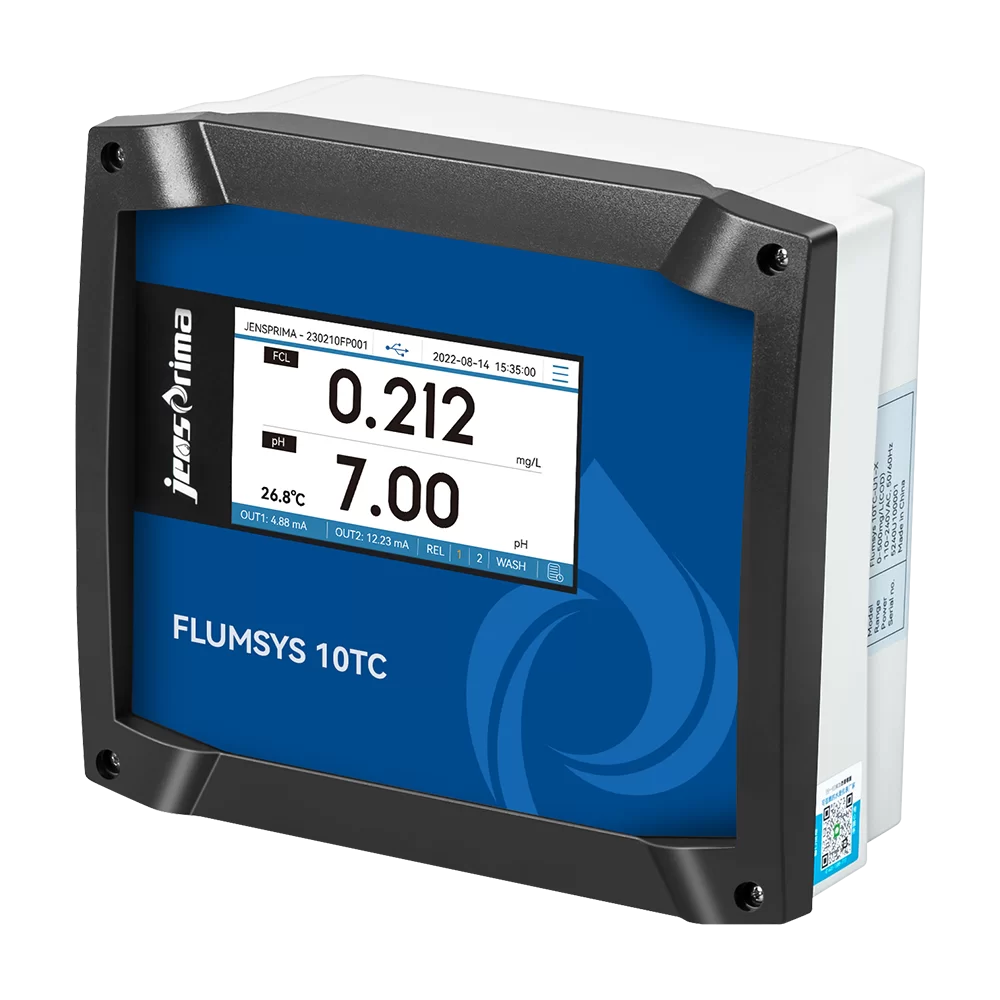
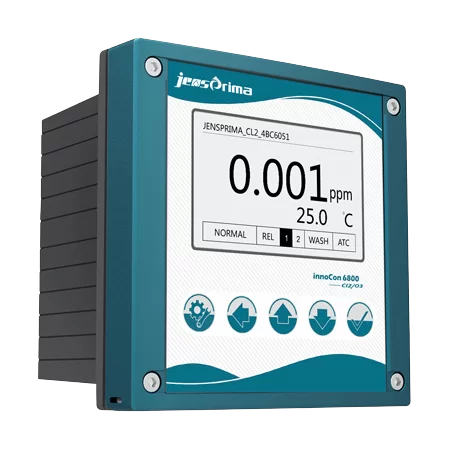
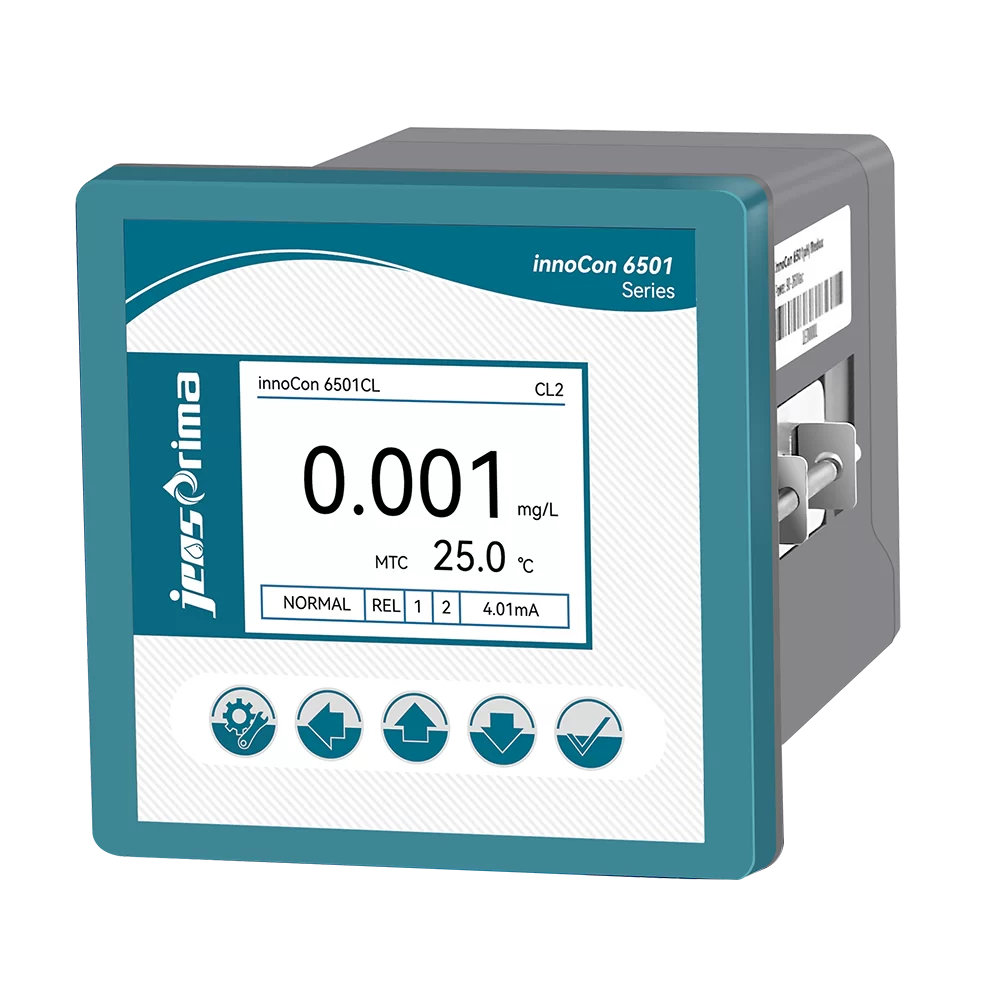
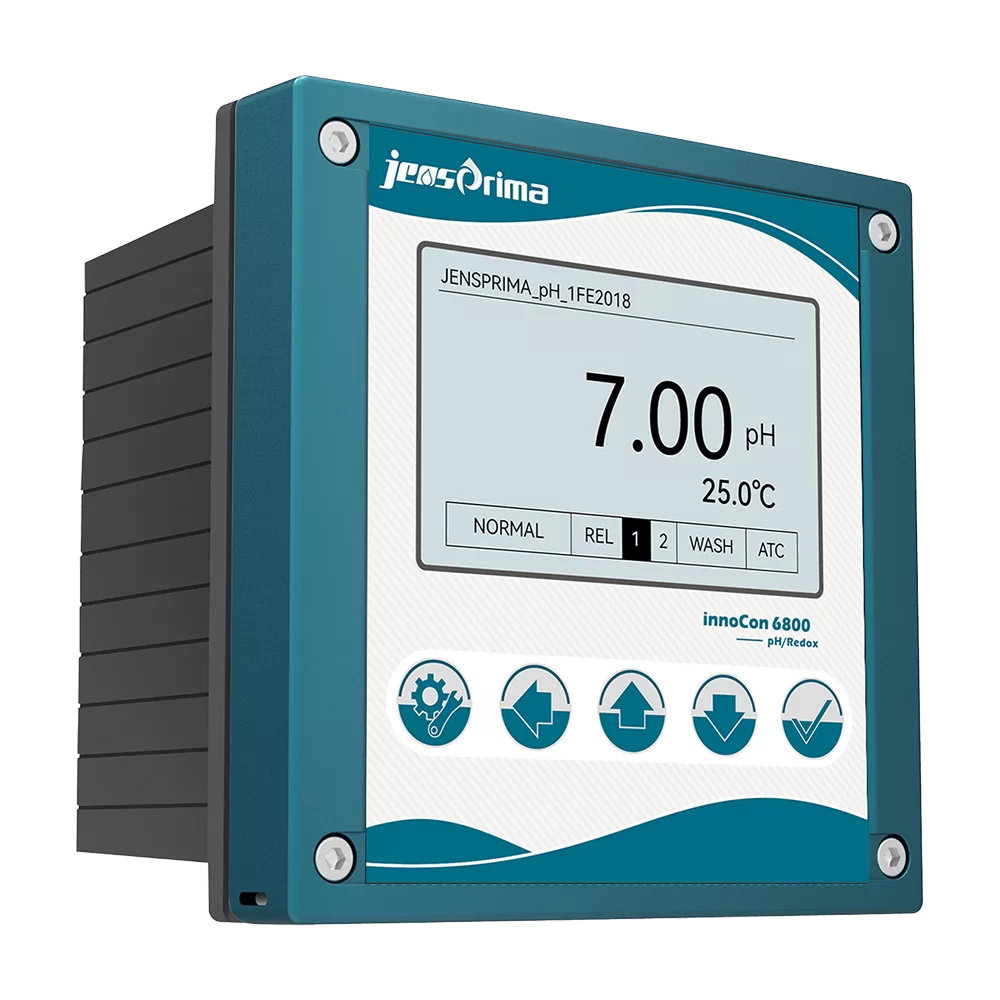
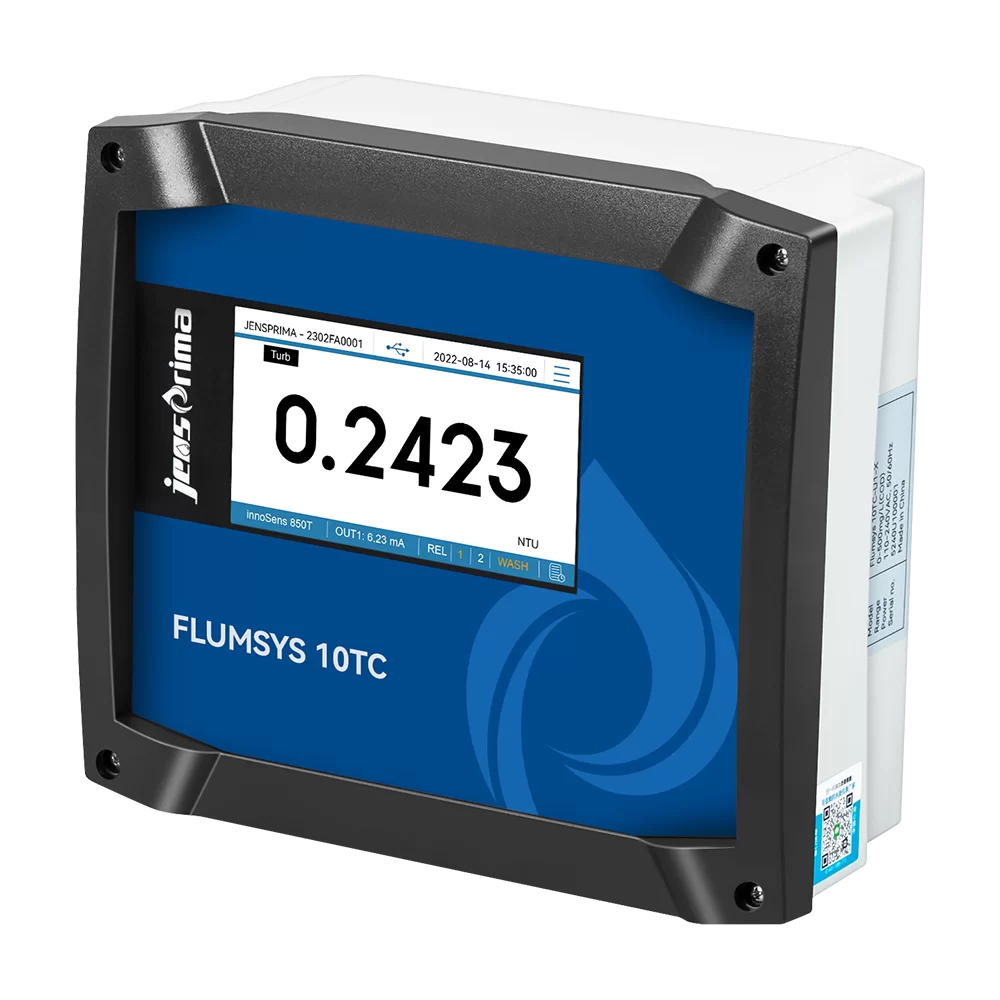
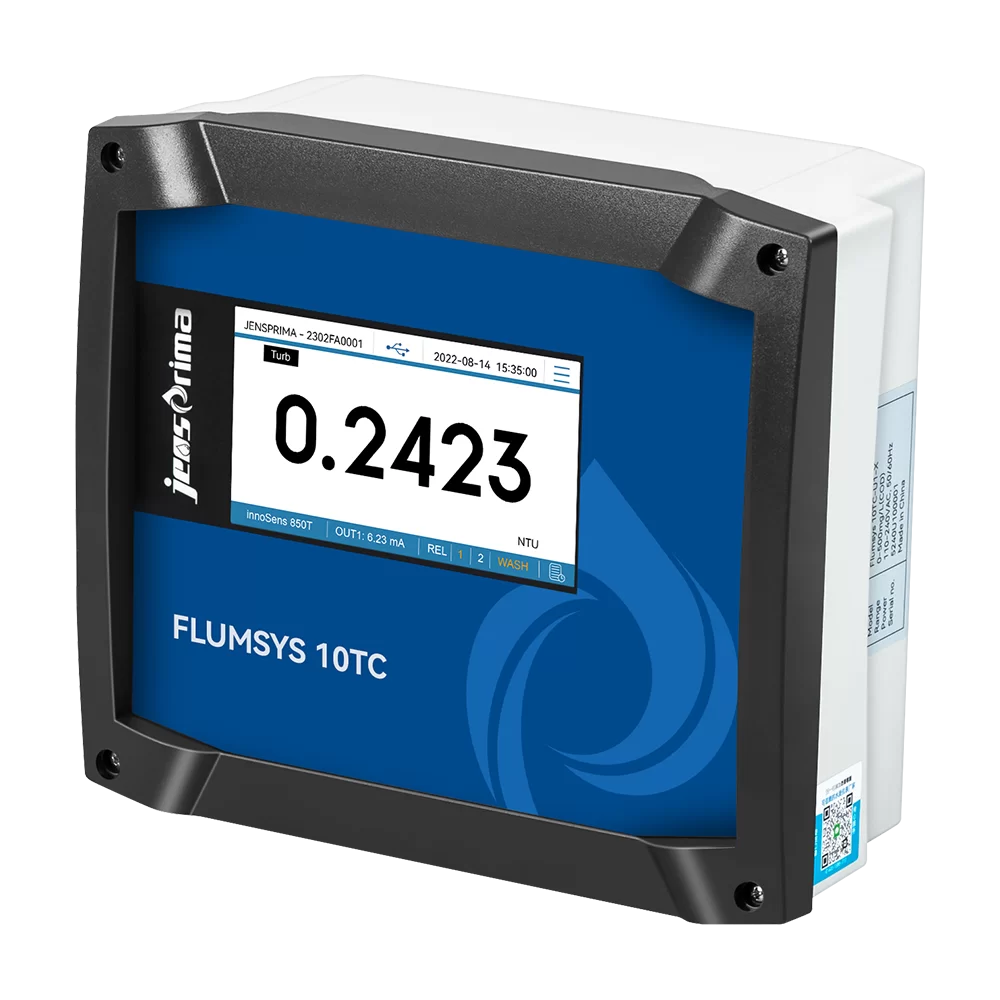
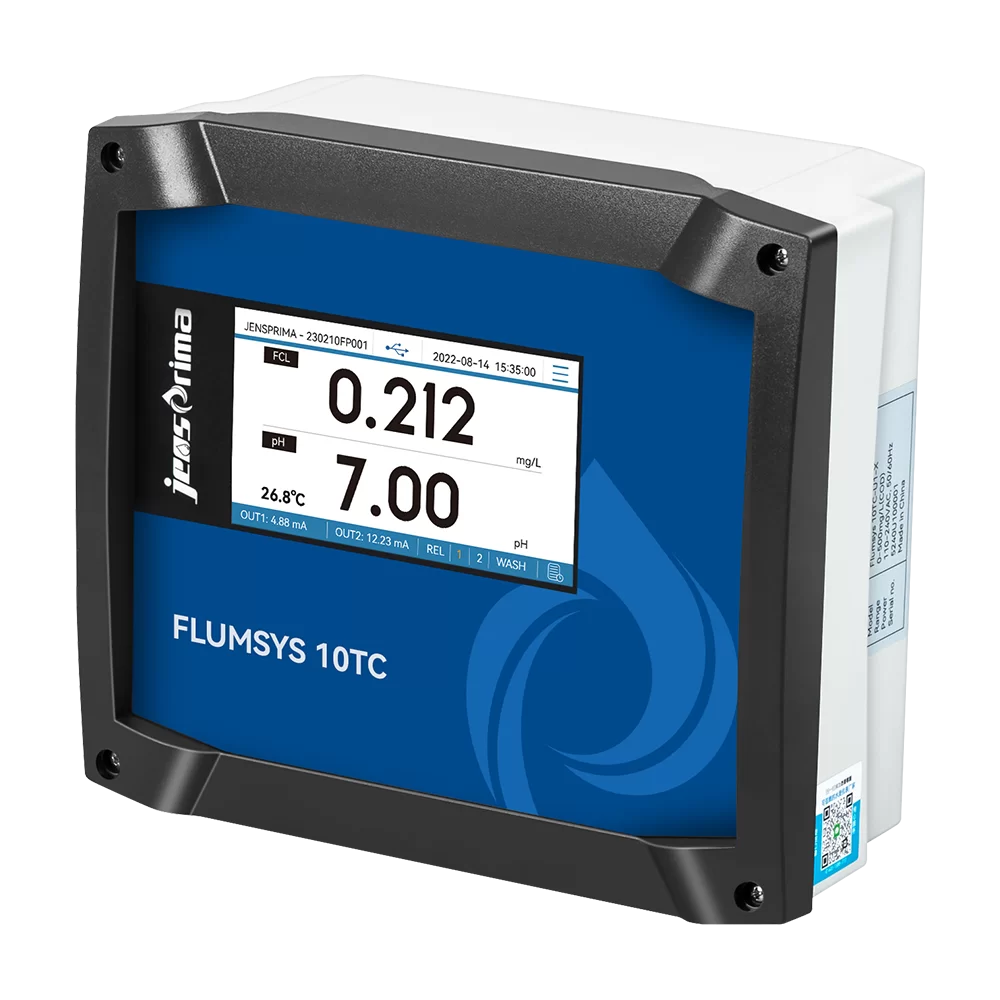
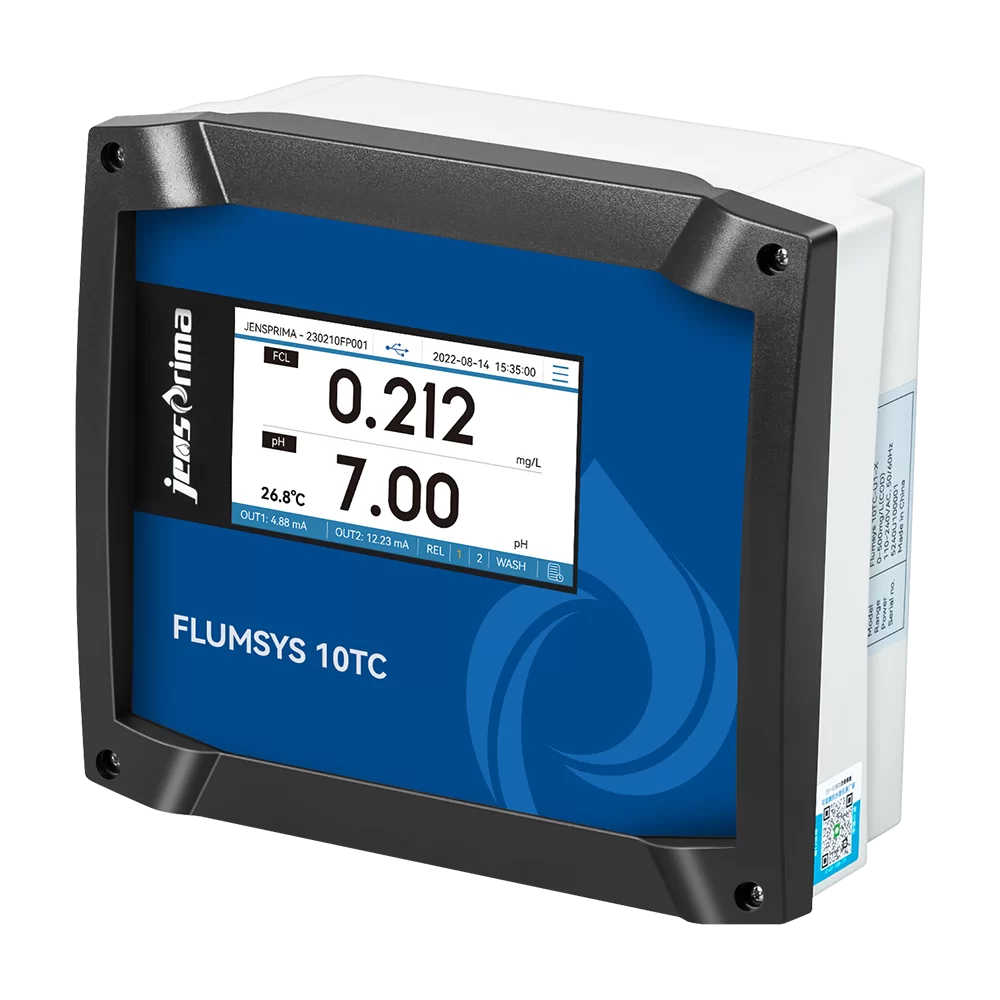
Furthermore, the integration of an intelligent controller is what transforms a simple sensor into a complete analyser. These controllers manage temperature compensation and automatic calibration cycles, ensuring that the online free chlorine analyser remains accurate across various environmental conditions, from freezing winters to humid tropical summers.
Practical Applications Across Key Sectors
In the municipal sector, the online free chlorine analyser is indispensable for monitoring the "chlorine residual" at the furthest points of the distribution grid. This prevents the growth of biofilms in old piping and ensures that water arriving at the consumer's tap is as safe as it was at the treatment plant.
Industrial applications are equally diverse, ranging from cooling tower maintenance—where chlorine prevents algae growth—to the food and beverage industry, where precise disinfection is required for CIP (Clean-in-Place) systems. In these environments, an online free chlorine analyser prevents chemical over-use, protecting expensive stainless steel equipment from corrosion.
Comparative Performance of Chlorine Analysis Methods
Long-term Value and Operational Advantages
The primary tangible benefit of installing an online free chlorine analyser is the drastic reduction in chemical expenditure. By eliminating the "safety margin" of over-dosing that typically accompanies manual testing, plants can reduce chlorine consumption by 15-30%, leading to significant annual cost savings.
Beyond the financial aspect, there is the invaluable psychological benefit of trust and safety. Knowing that a system is monitoring the water every second provides peace of mind to plant operators and stakeholders, ensuring that the facility is always in compliance with health regulations and avoiding the catastrophic reputational damage associated with water-borne illness outbreaks.
Emerging Trends in Water Quality Automation
The future of the online free chlorine analyser is deeply intertwined with the Industrial Internet of Things (IIoT). We are seeing a transition toward "smart" sensors that not only measure chlorine but also self-diagnose their own health, alerting technicians to sensor fouling or reagent depletion before a failure occurs.
Cloud integration is also allowing for regional water quality mapping. By networking multiple online free chlorine analyser units across a city's grid, utilities can use AI to predict "chlorine demand" based on temperature and flow data, optimizing dosing across the entire network in real-time.
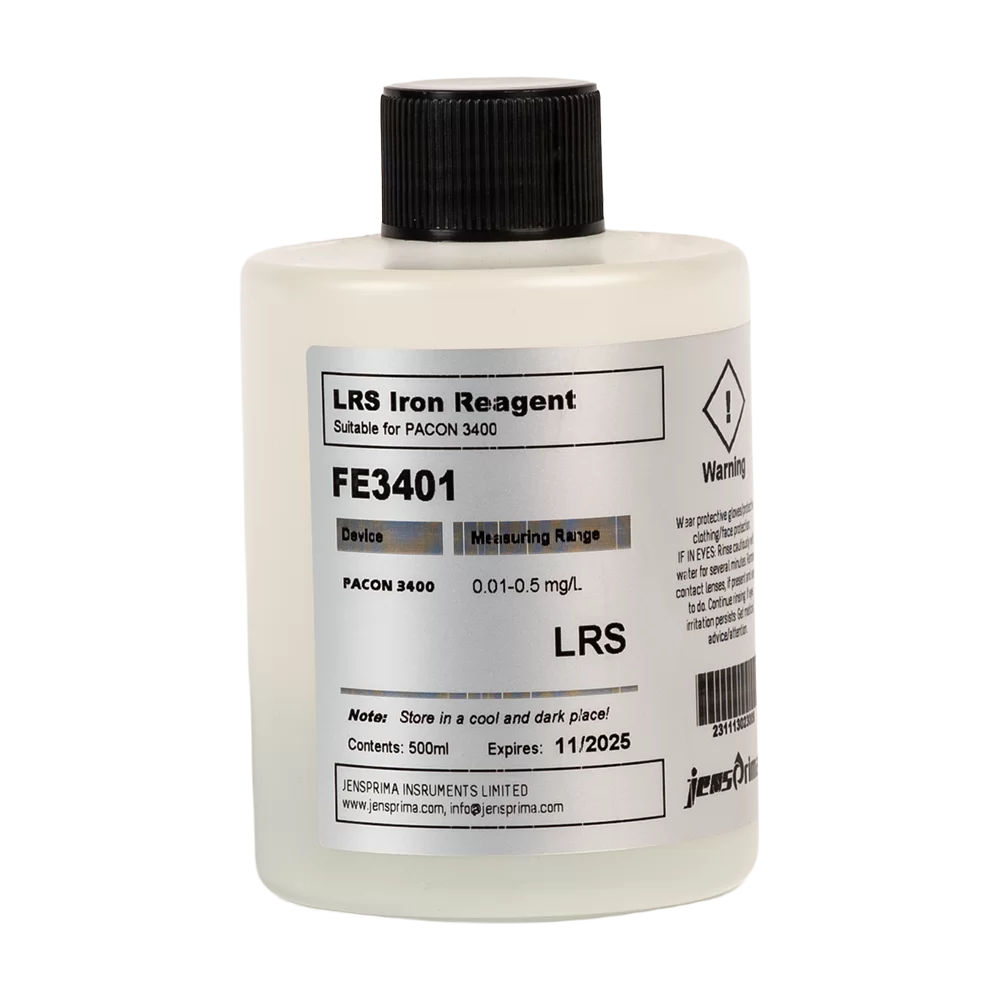
Furthermore, there is a growing movement toward "green chemistry" in the reagents used by colorimetric analysers. The industry is moving away from hazardous chemicals toward biodegradable alternatives, ensuring that the process of monitoring water purity does not itself contribute to environmental pollution.
Overcoming Implementation Challenges
One of the most common challenges in deploying an online free chlorine analyser is sensor drift caused by biological fouling or mineral scaling. To solve this, expert engineers recommend the installation of automated cleaning systems or the use of specific membrane coatings that repel organic buildup, extending the interval between manual calibrations.
Another hurdle is the interference of other oxidants, such as ozone or chlorine dioxide, which can lead to skewed readings. The solution lies in utilizing advanced selective membranes or dual-channel analysers that can distinguish between different oxidizing species, ensuring that the "free chlorine" reading is an accurate reflection of the disinfecting power.
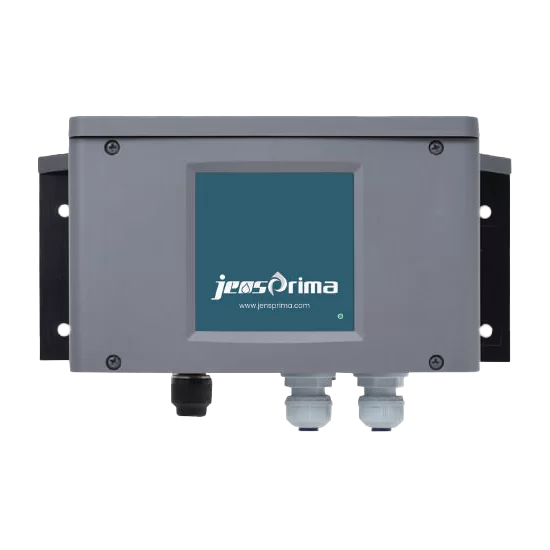
Finally, the complexity of initial setup often intimidates smaller operators. The trend toward "plug-and-play" modular units, which come pre-calibrated and pre-assembled in a weather-proof housing, has lowered the barrier to entry, allowing even small-scale water plants to benefit from the precision of an online free chlorine analyser.
Core Analysis of Online Free Chlorine Analyser Implementation Strategies
| Deployment Scenario |
Recommended Sensor Type |
Maintenance Frequency |
Expected Accuracy Score |
| Municipal Drinking Water |
Amperometric Online |
Monthly |
9.5 |
| Industrial Cooling Towers |
Amperometric / Robust |
Bi-weekly |
8.2 |
| Pharmaceutical Pure Water |
High-Precision Colorimetric |
Weekly |
9.8 |
| Wastewater Tertiary Treatment |
Heavy-Duty Online |
Weekly |
7.5 |
| Swimming Pool Networks |
Standard Amperometric |
Monthly |
8.8 |
| Remote Village Kiosks |
Low-Power IoT Sensor |
Quarterly |
7.0 |
FAQS
A free chlorine analyser measures only the active disinfecting agents (HOCl and OCl-), which are the primary killers of bacteria and viruses. In contrast, a total chlorine analyser measures both free chlorine and "combined chlorine" (chloramines). For most disinfection purposes, monitoring free chlorine is the gold standard because it tells you exactly how much active disinfectant is available to handle a sudden spike in microbial load.
Depending on the water quality and sensor technology, calibration typically occurs every 2 to 4 weeks. However, high-end systems with automatic cleaning and stable membranes can extend this interval. We recommend a weekly "verification check" using a handheld DPD kit to ensure the online reading matches the manual sample, adjusting the slope and offset in the controller as needed.
Yes, temperature significantly impacts the chemical reaction speed at the sensor electrode. Most professional online free chlorine analysers include a built-in temperature probe (usually a Pt100 or Pt1000) and an automatic temperature compensation (ATC) algorithm. This ensures that the reported chlorine concentration is normalized, preventing false alarms during seasonal temperature shifts.
The most frequent issue is "sensor fouling," where organic biofilms or mineral deposits coat the electrode, blocking the chlorine from reacting. Other common issues include air bubbles trapped in the flow cell and the depletion of reagents in colorimetric systems. Implementing a consistent flow rate and a scheduled cleaning regimen can eliminate 90% of these operational failures.
Absolutely. While the initial investment is higher than manual kits, the reduction in chemical waste and the elimination of labor costs for manual sampling usually result in a return on investment (ROI) within 12-18 months. More importantly, the risk mitigation against potential contamination fines and health crises makes it a necessary insurance policy for any plant.
Most modern online free chlorine analysers come with standard industrial outputs, such as 4-20mA analog signals, Modbus RTU, or Profibus. These can be easily wired into a PLC (Programmable Logic Controller) or SCADA system, allowing you to automate your chlorine dosing pumps so they increase or decrease output based on the real-time readings from the analyser.
Conclusion
The adoption of an online free chlorine analyser represents a critical evolution in water management, moving from imprecise manual snapshots to a high-definition, continuous stream of safety data. By integrating precise sensing, robust flow-cell engineering, and intelligent control systems, facilities can ensure absolute compliance with health standards while simultaneously reducing their chemical footprint and operational costs.
As we move toward an era of "Smart Water" and AI-driven utilities, the role of real-time monitoring will only expand. Investing in high-quality analysis technology today is not just about meeting current regulations—it is about building a resilient, sustainable infrastructure capable of protecting public health and industrial assets for decades to come. Visit our website: www.jensprima.com




 Download
 Video Center
 Technical Services
 FAQS
FAQS Service Network
 Privacy Policy
 Contact Us