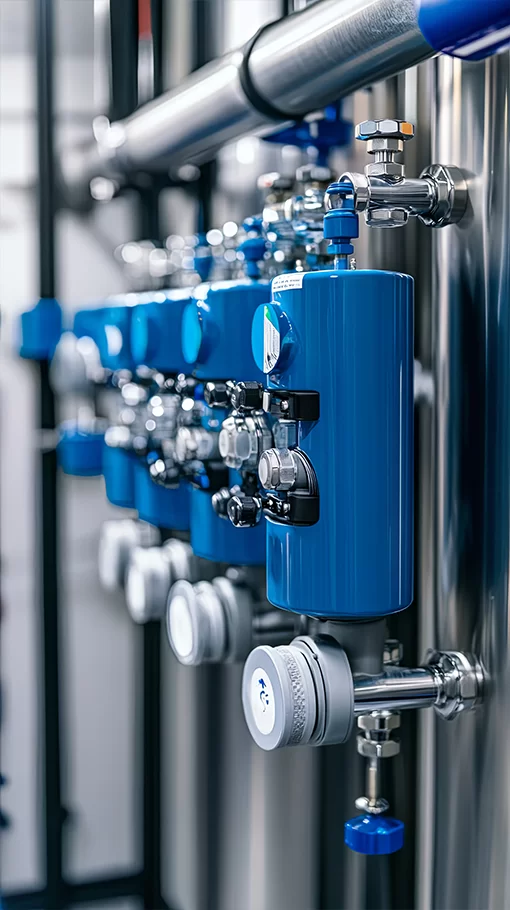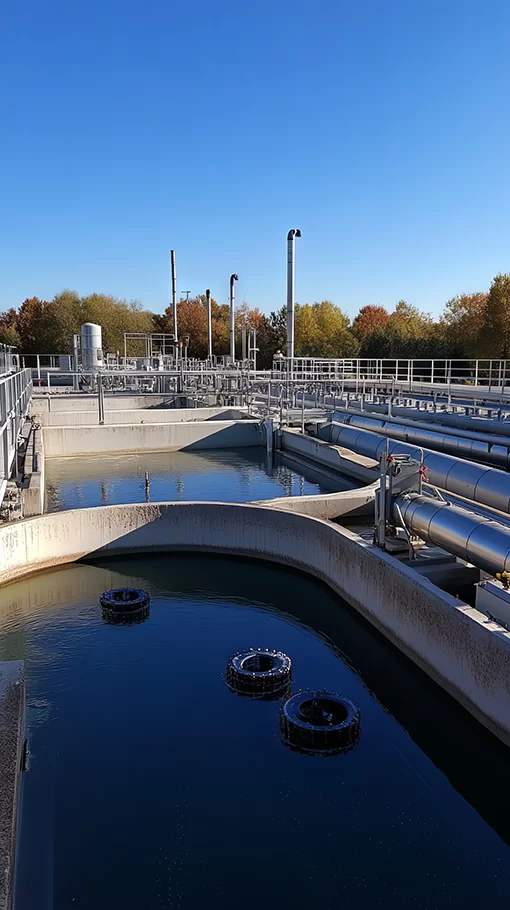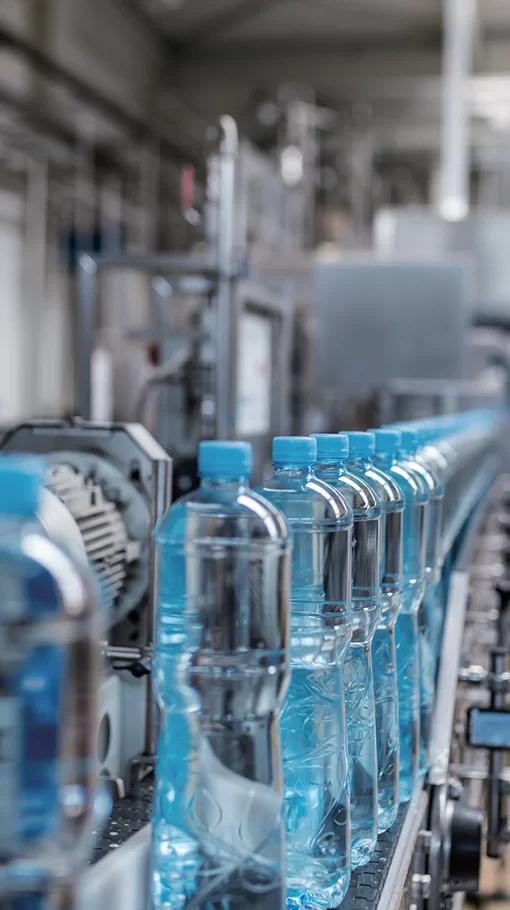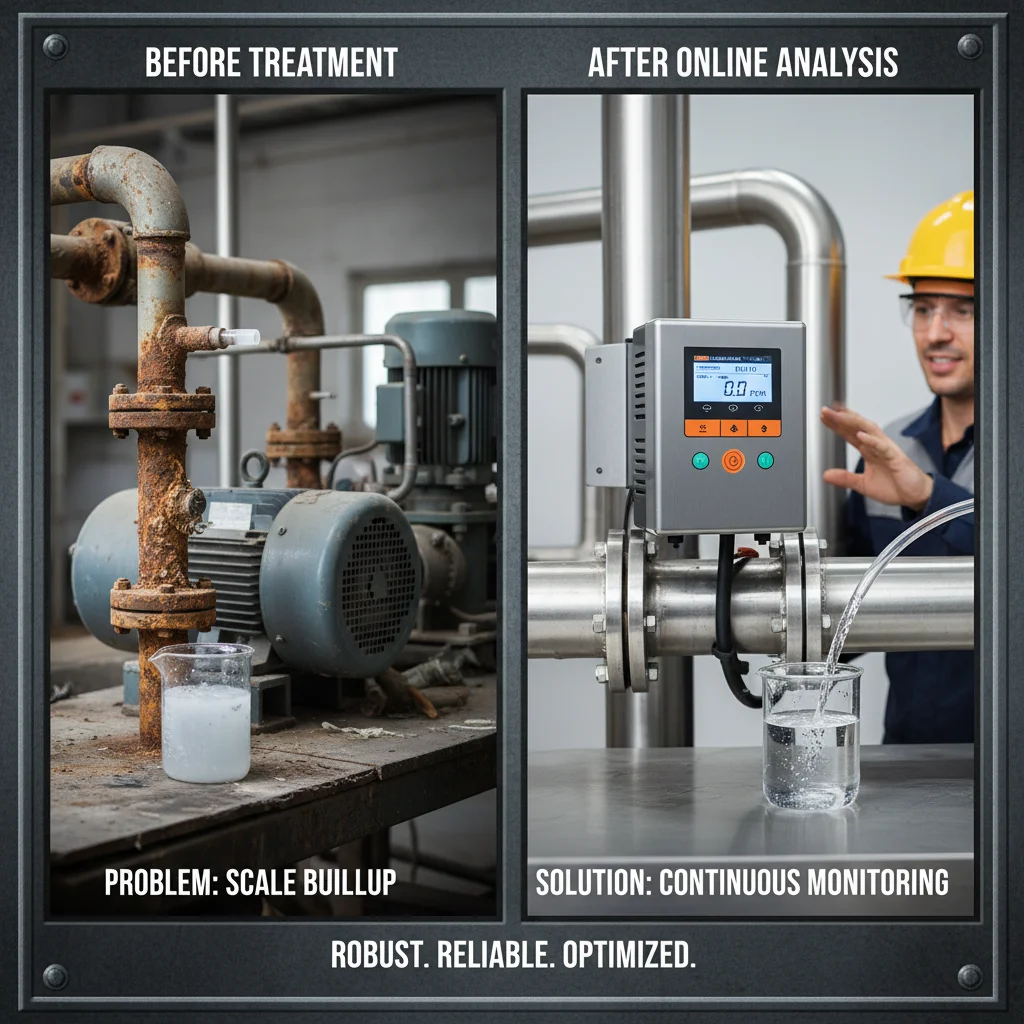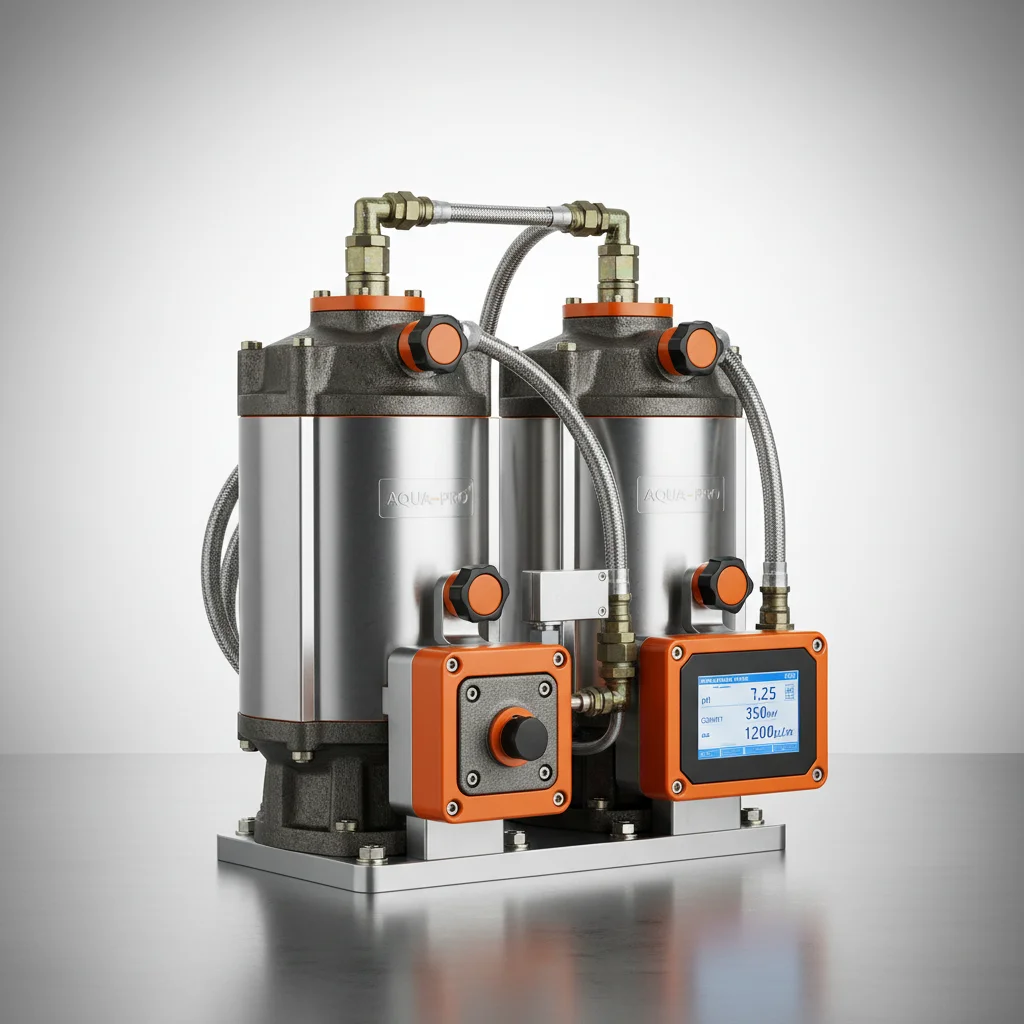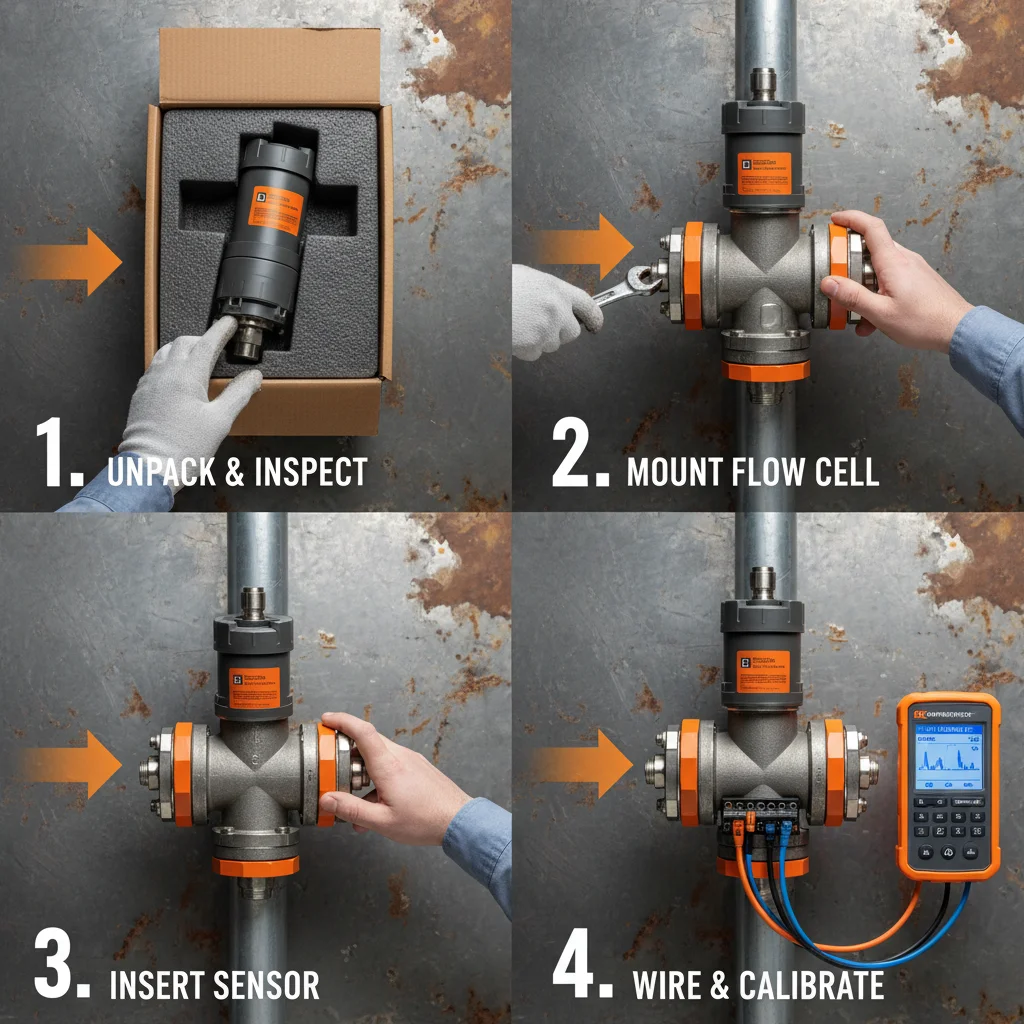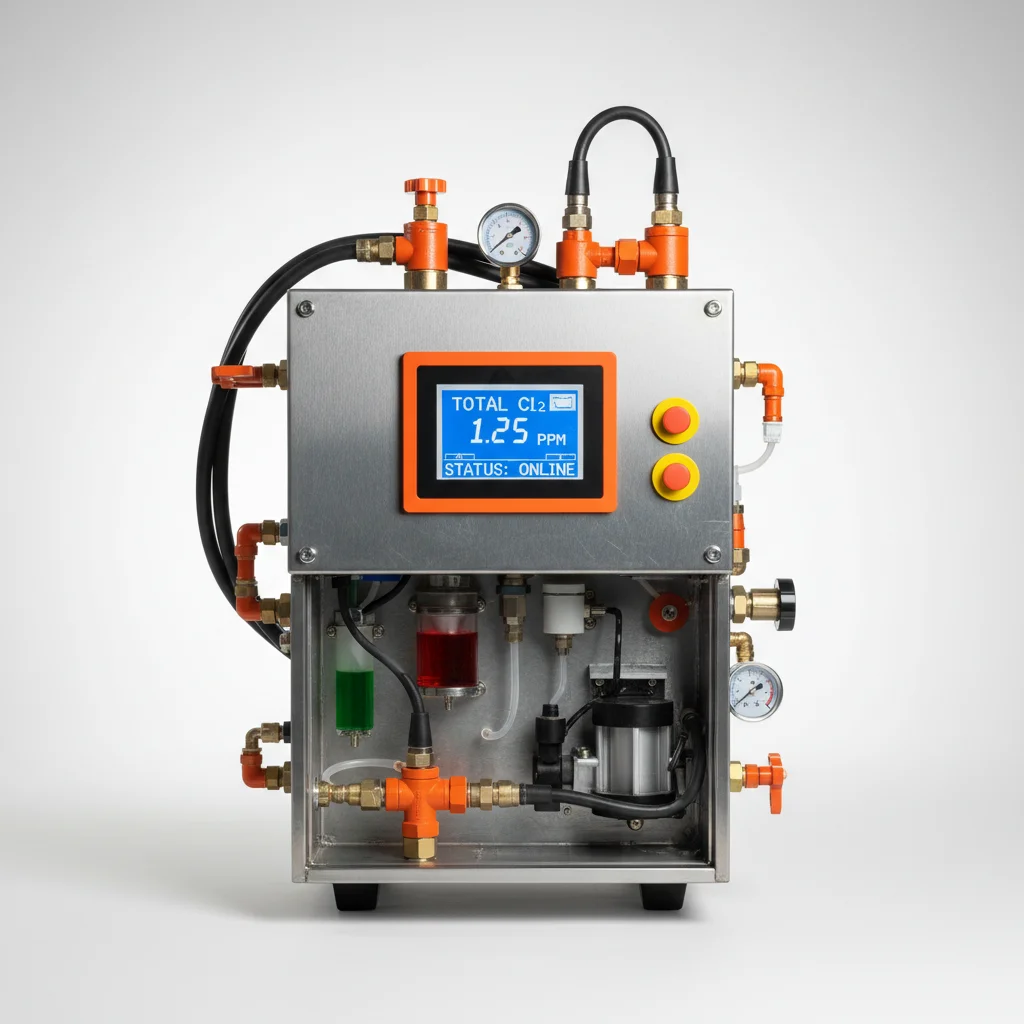

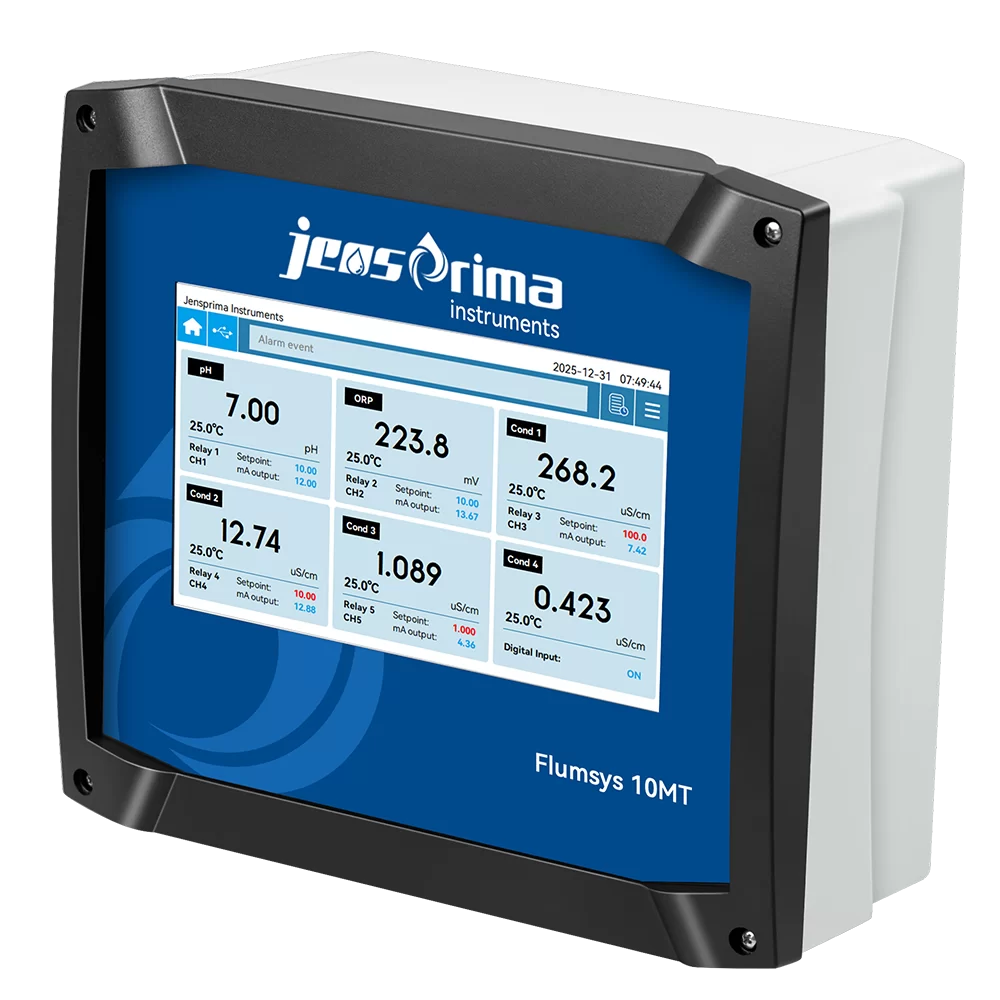
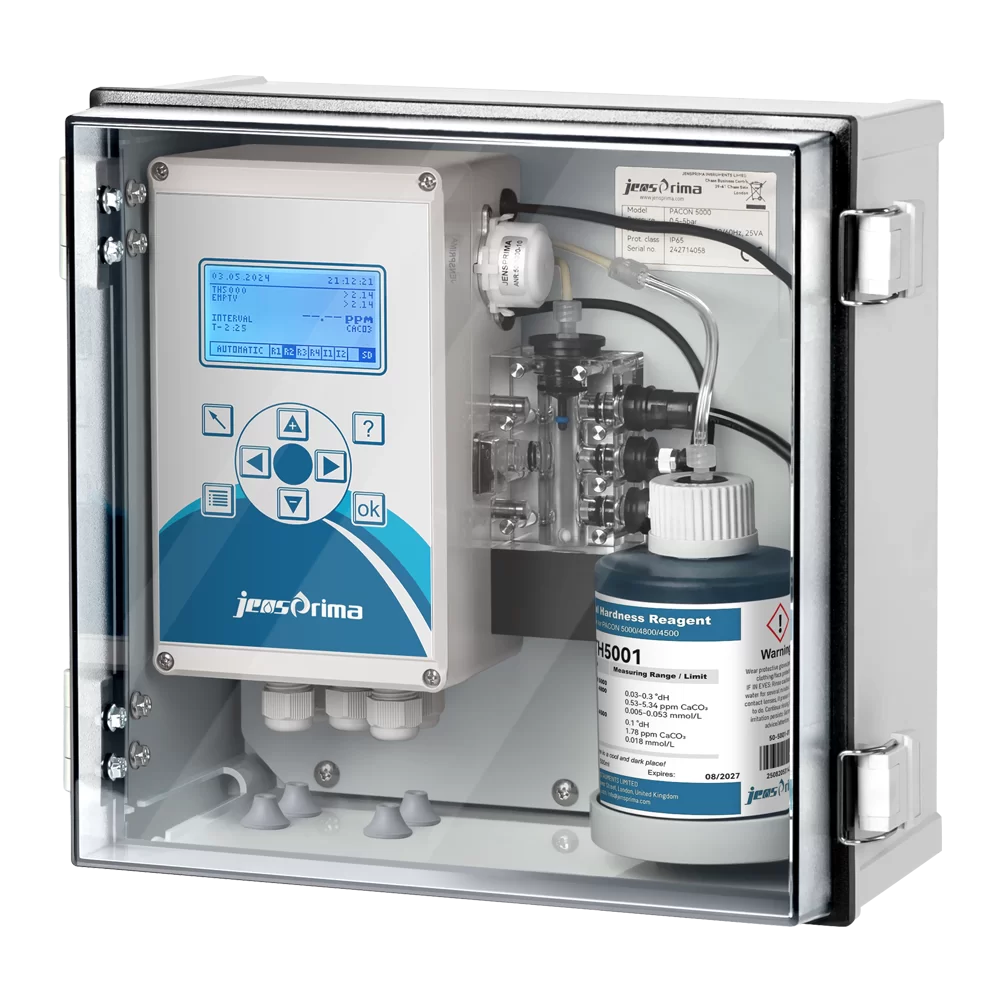
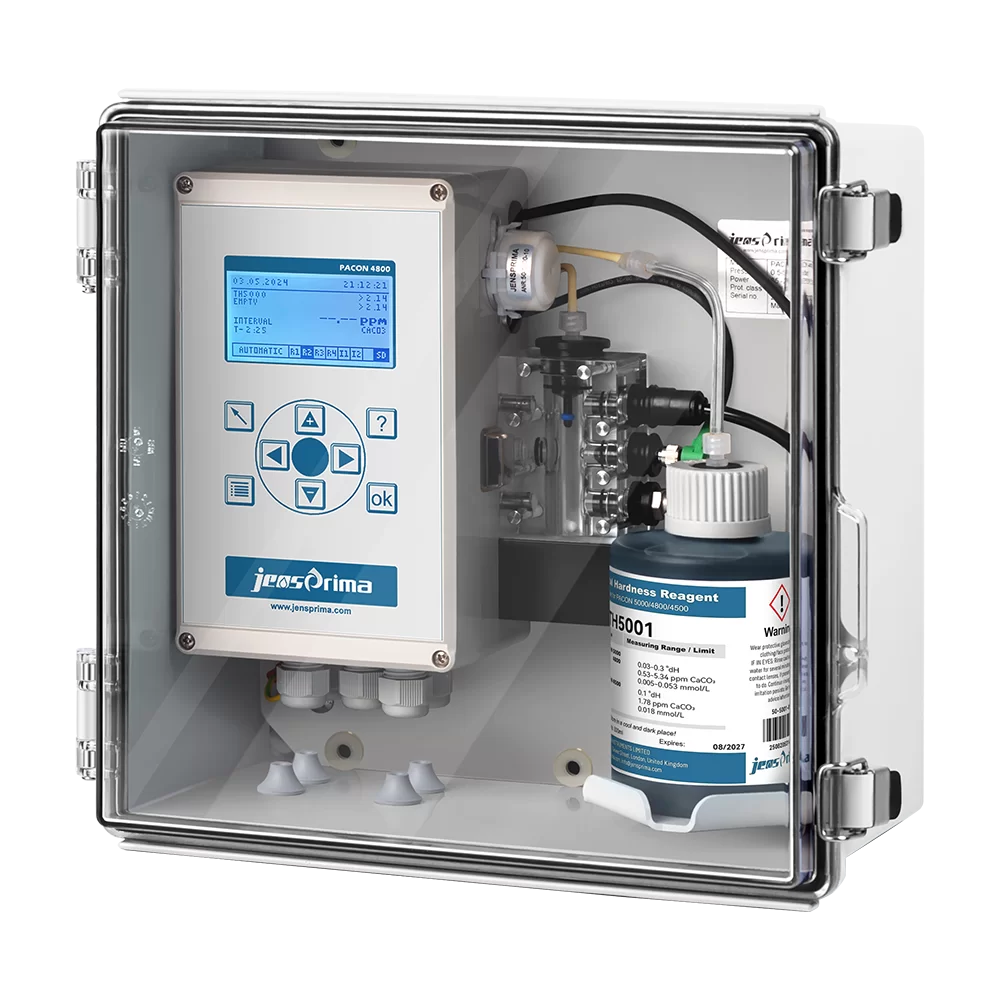
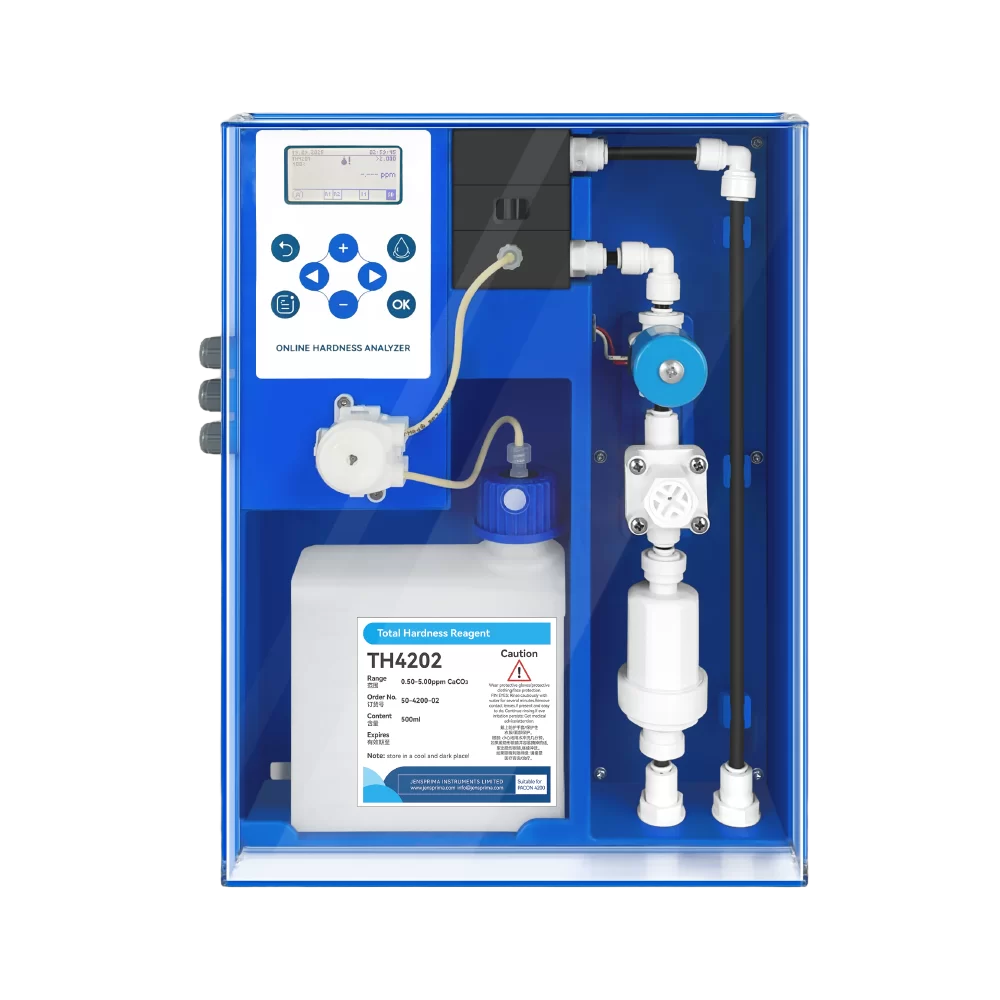
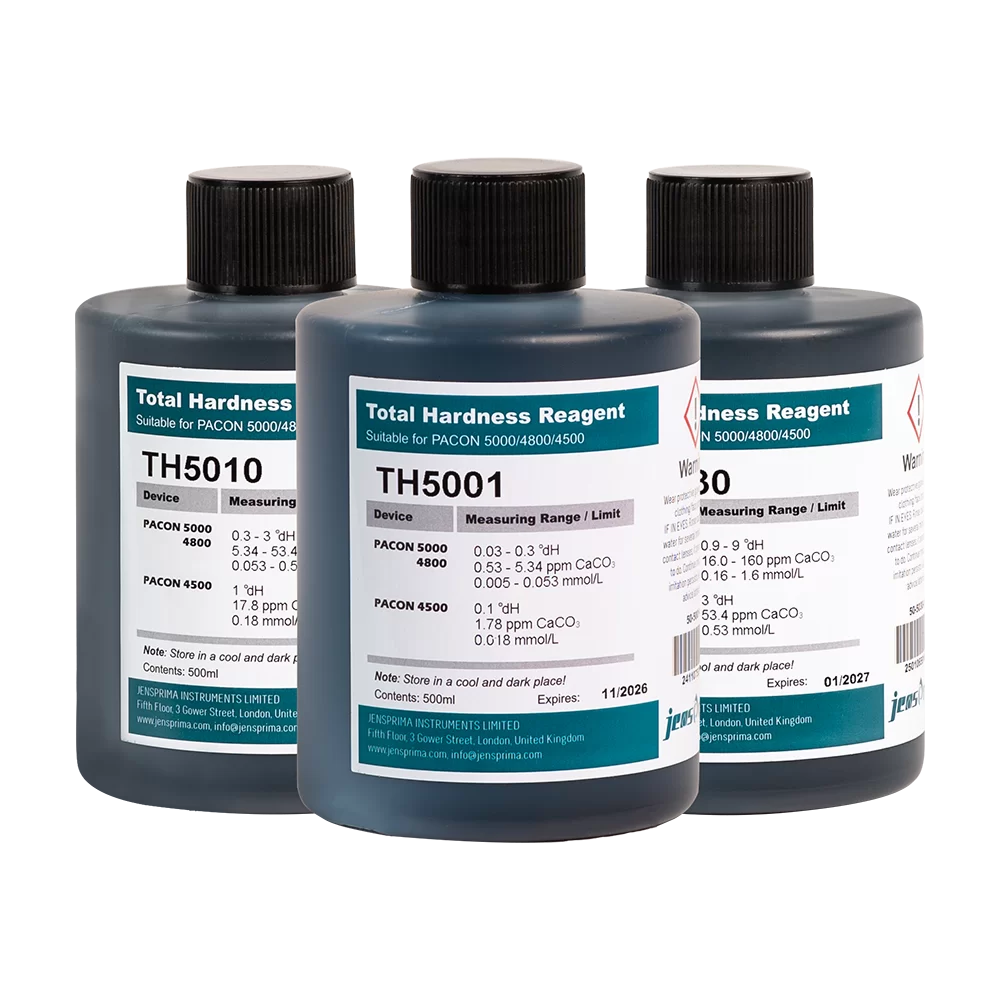
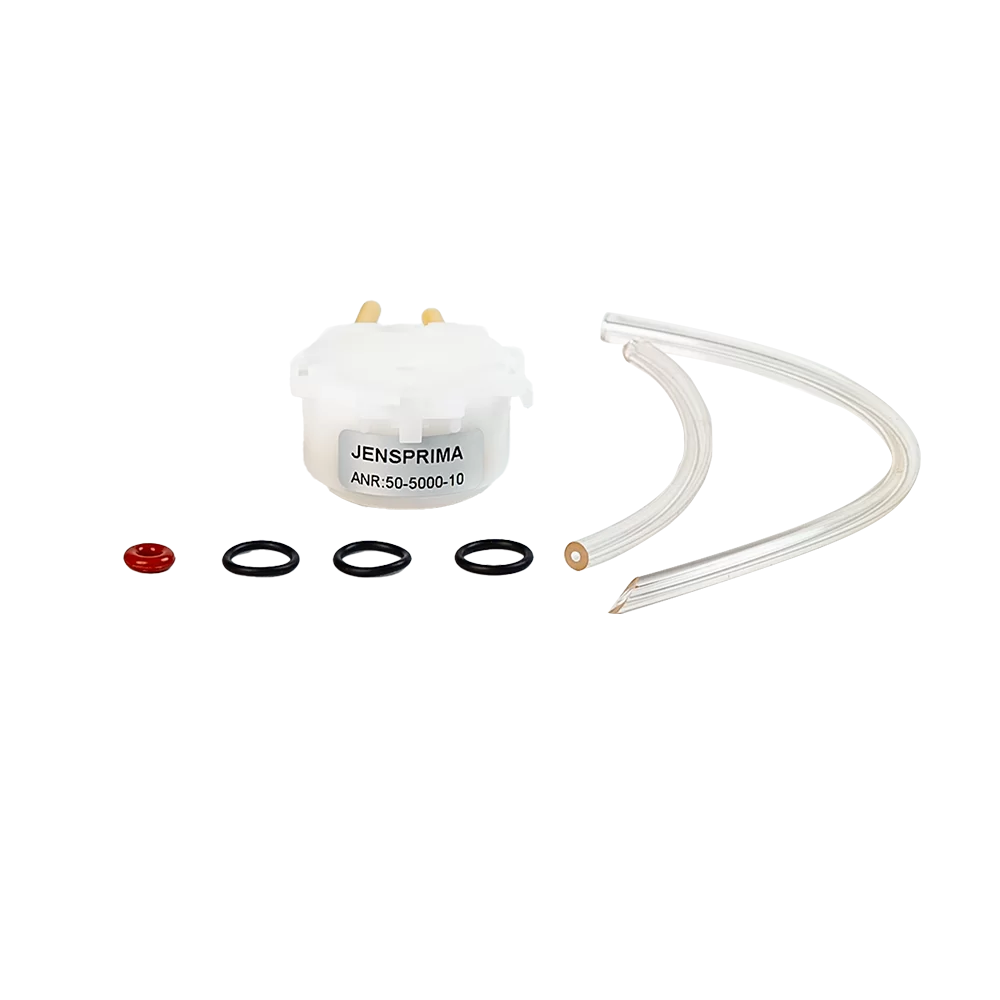
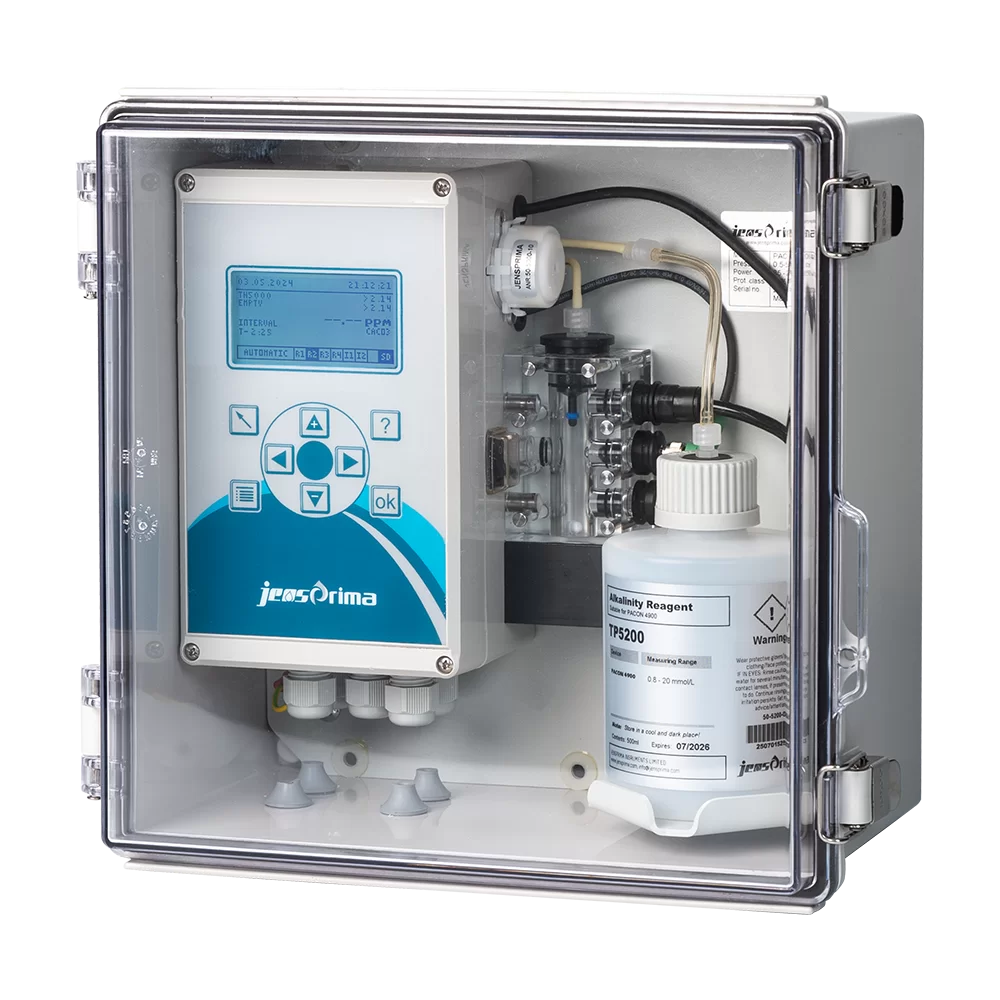
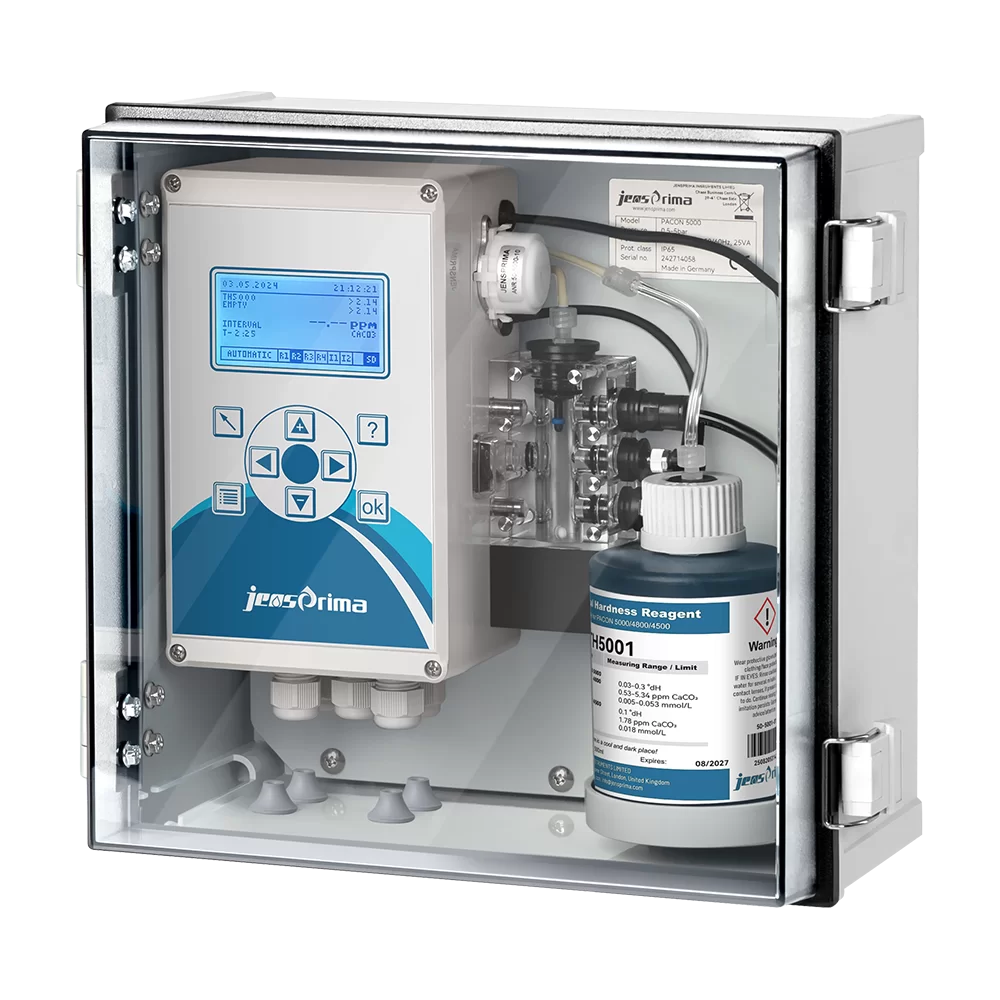
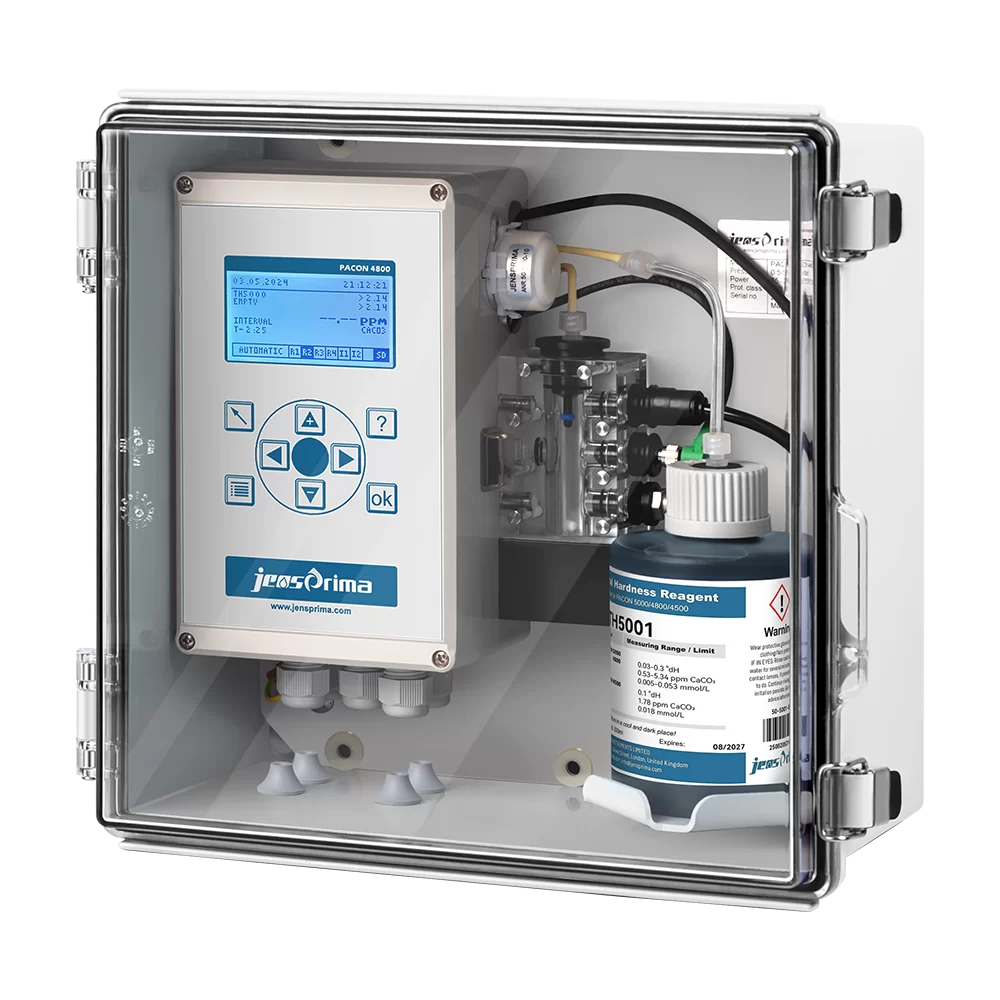
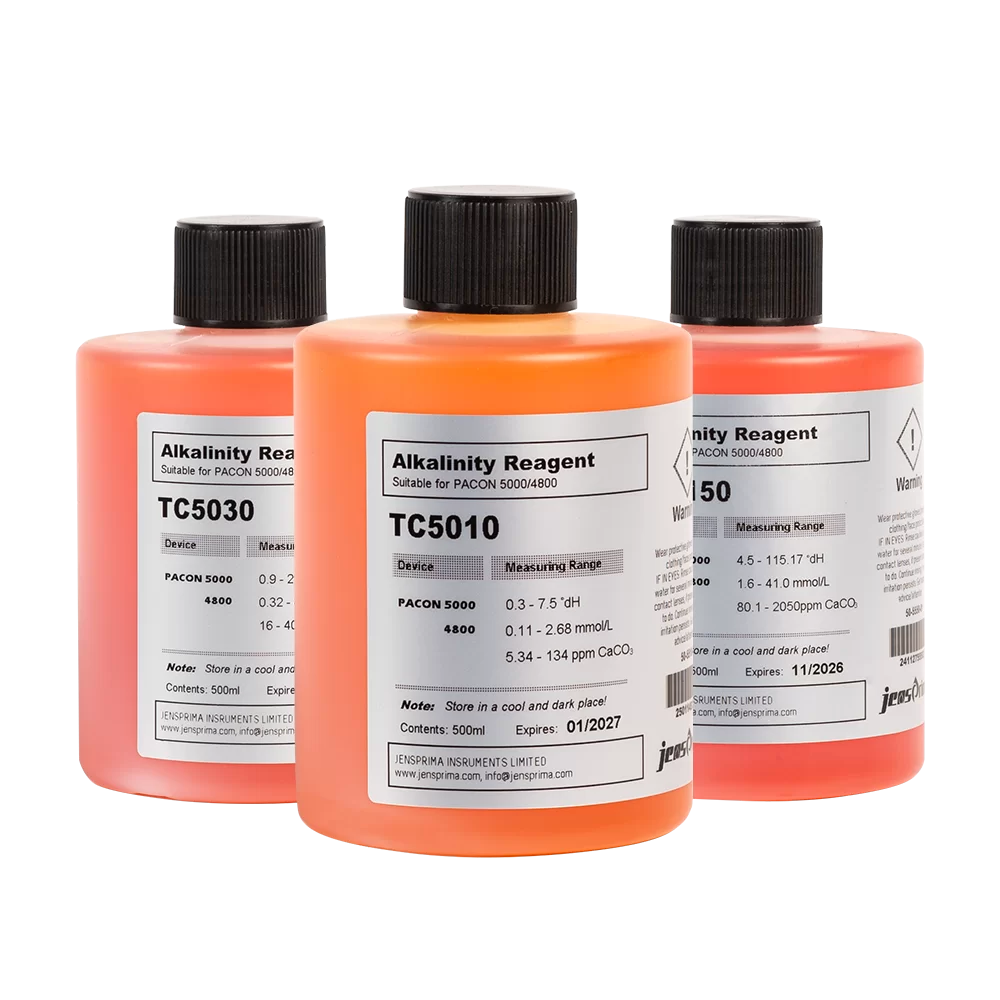
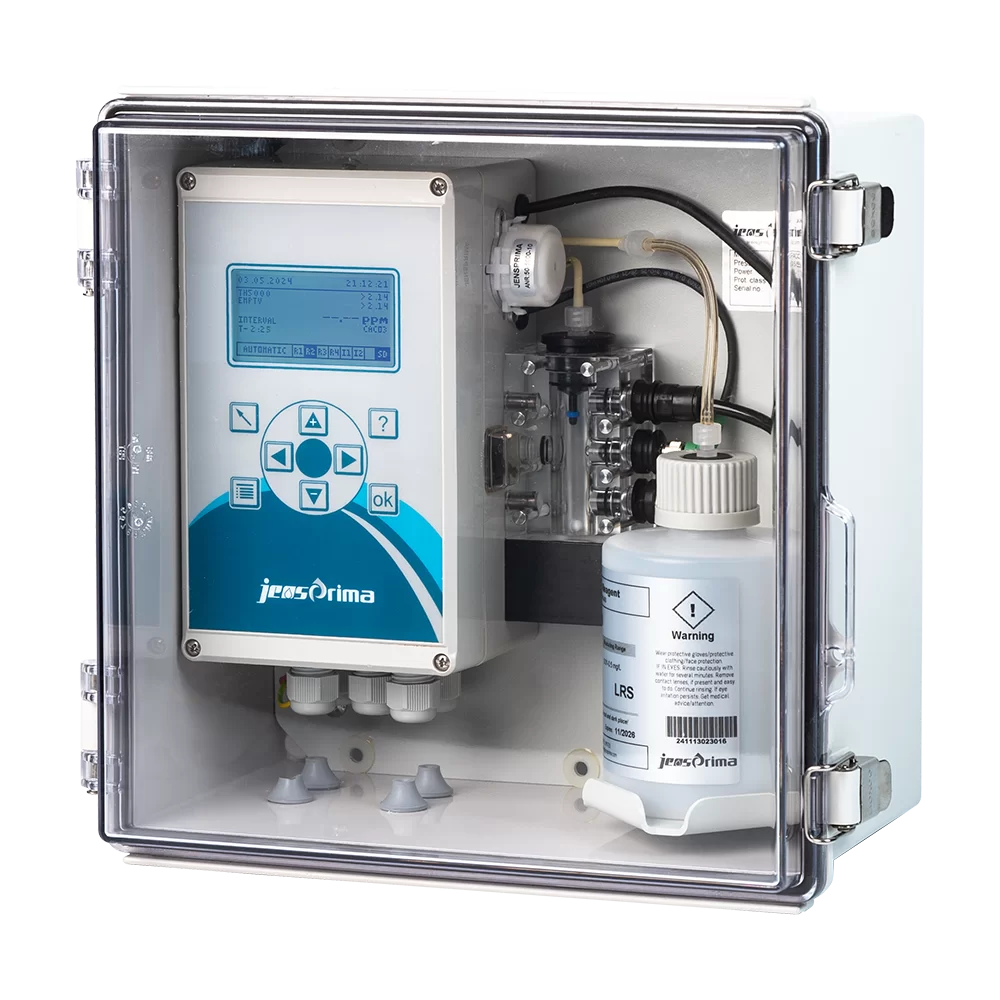
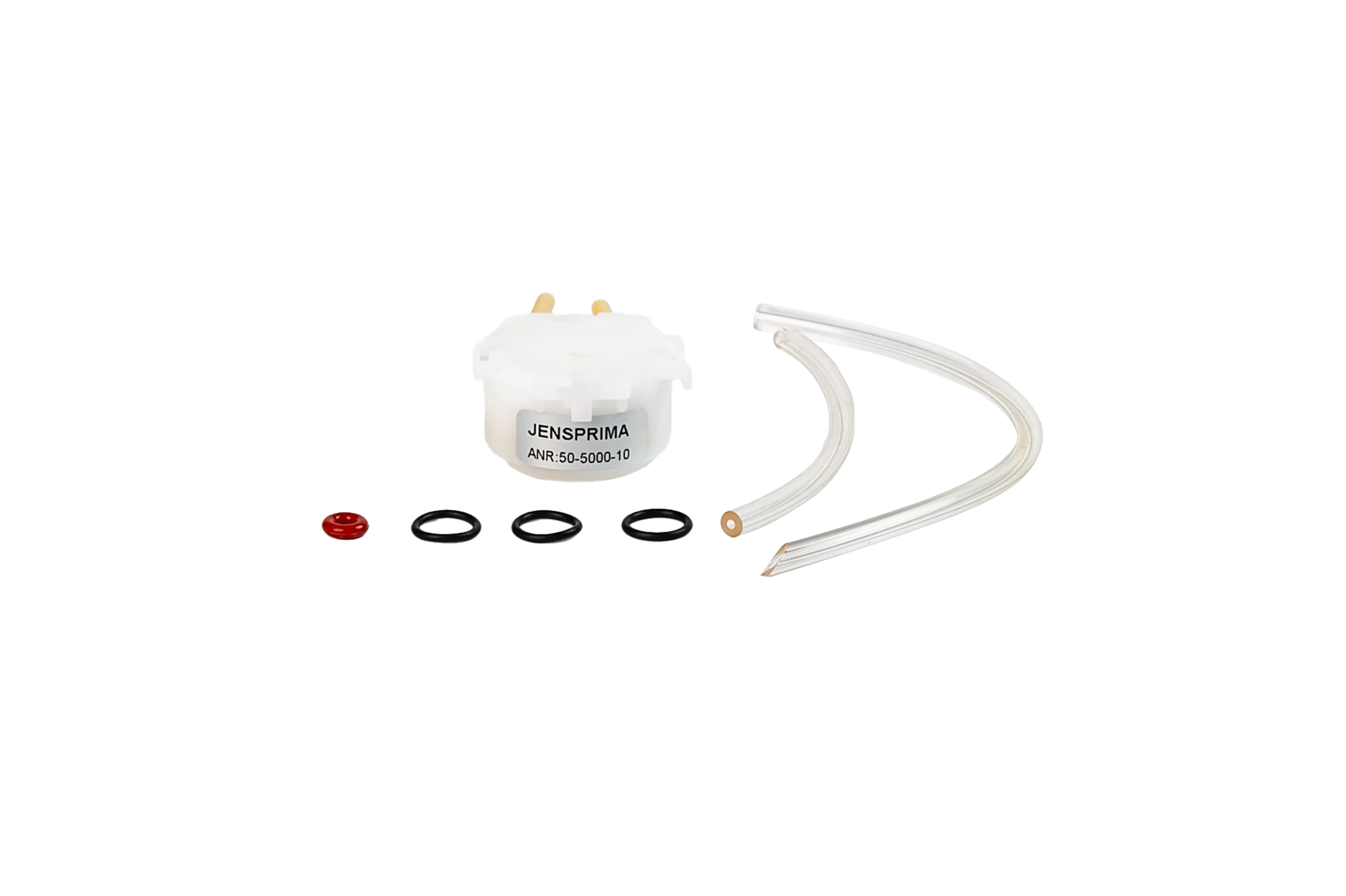
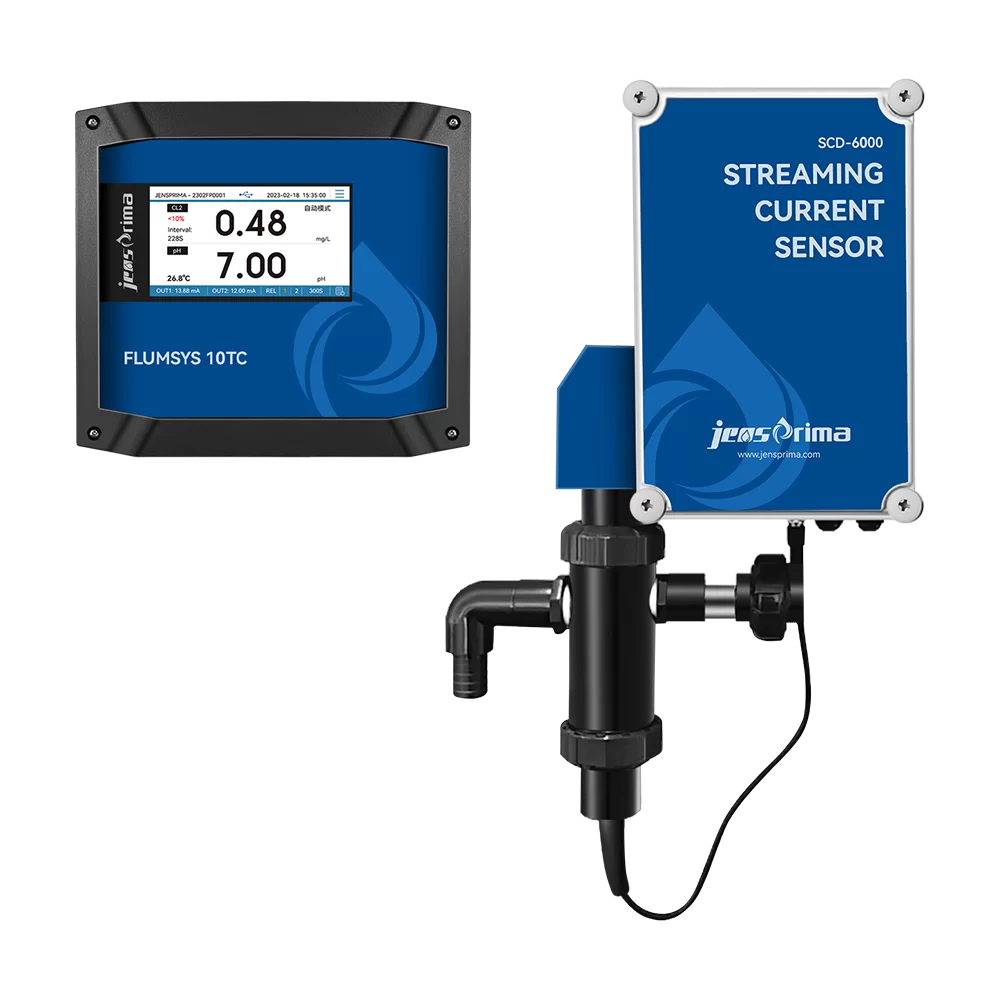
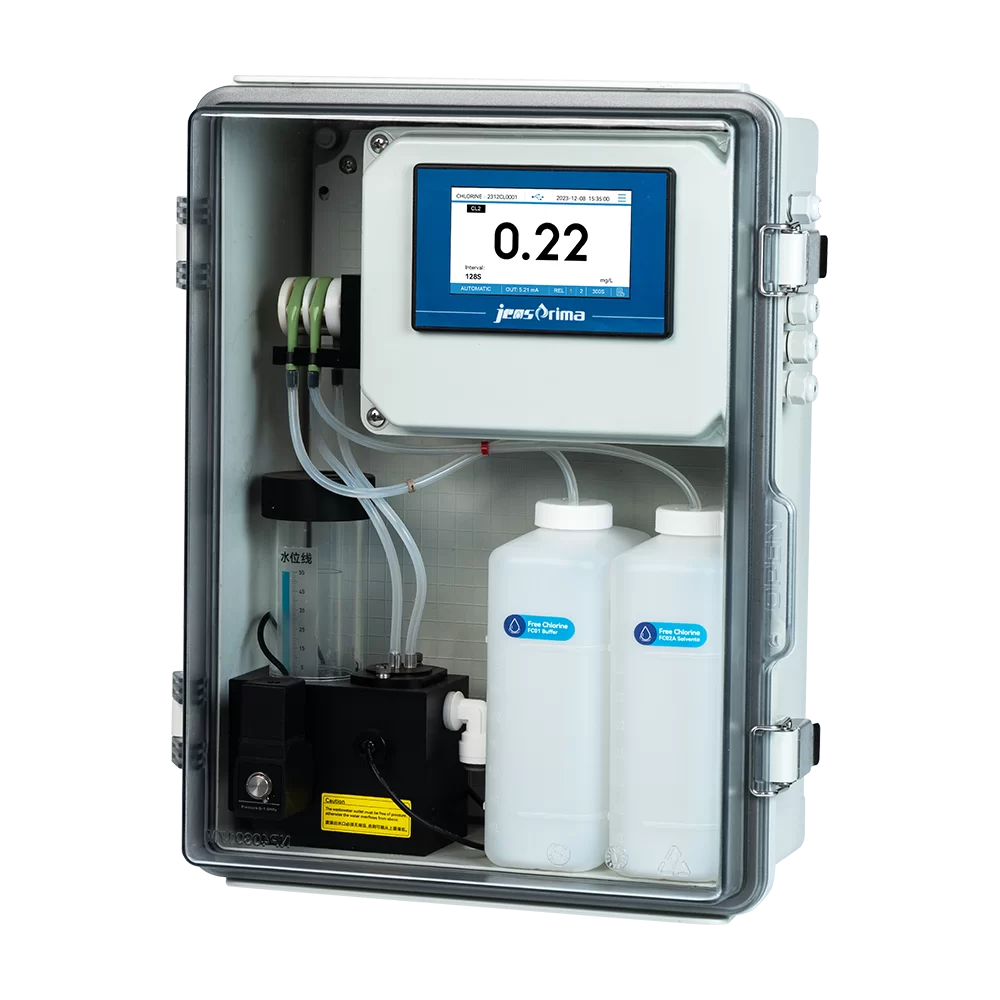
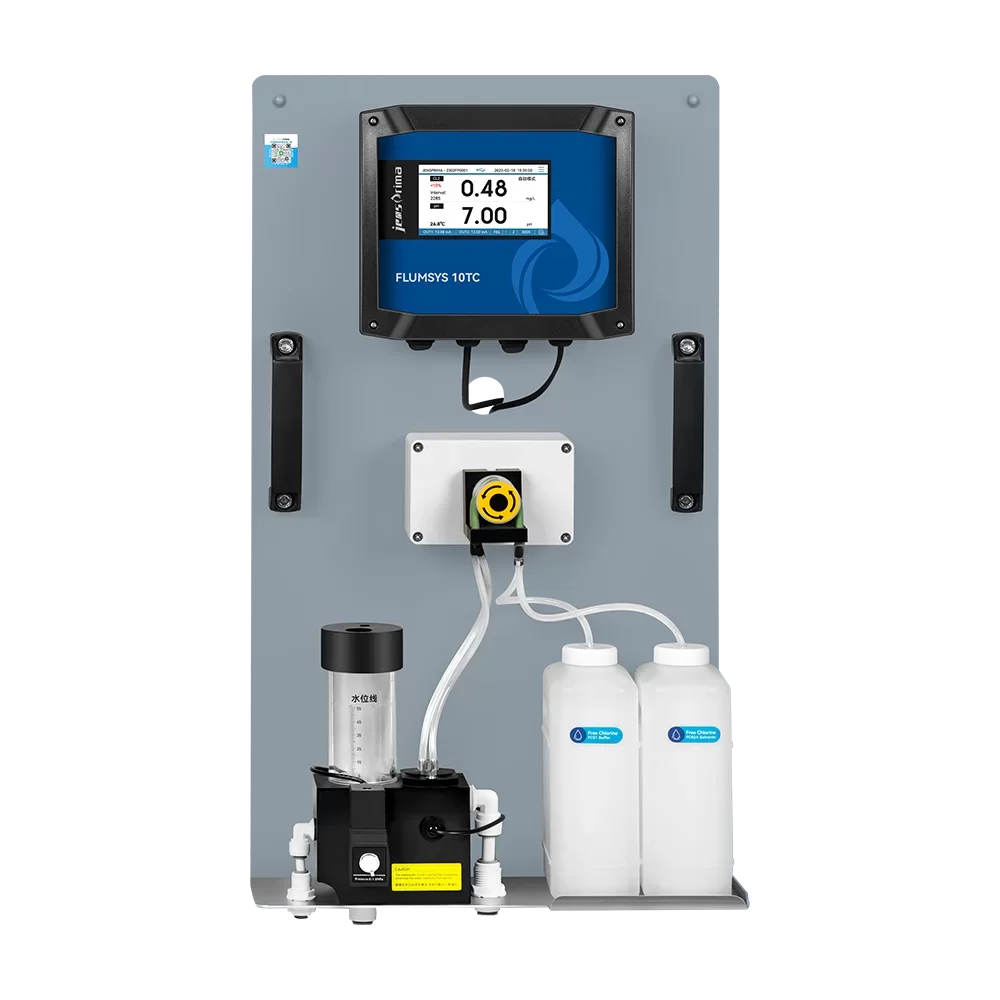
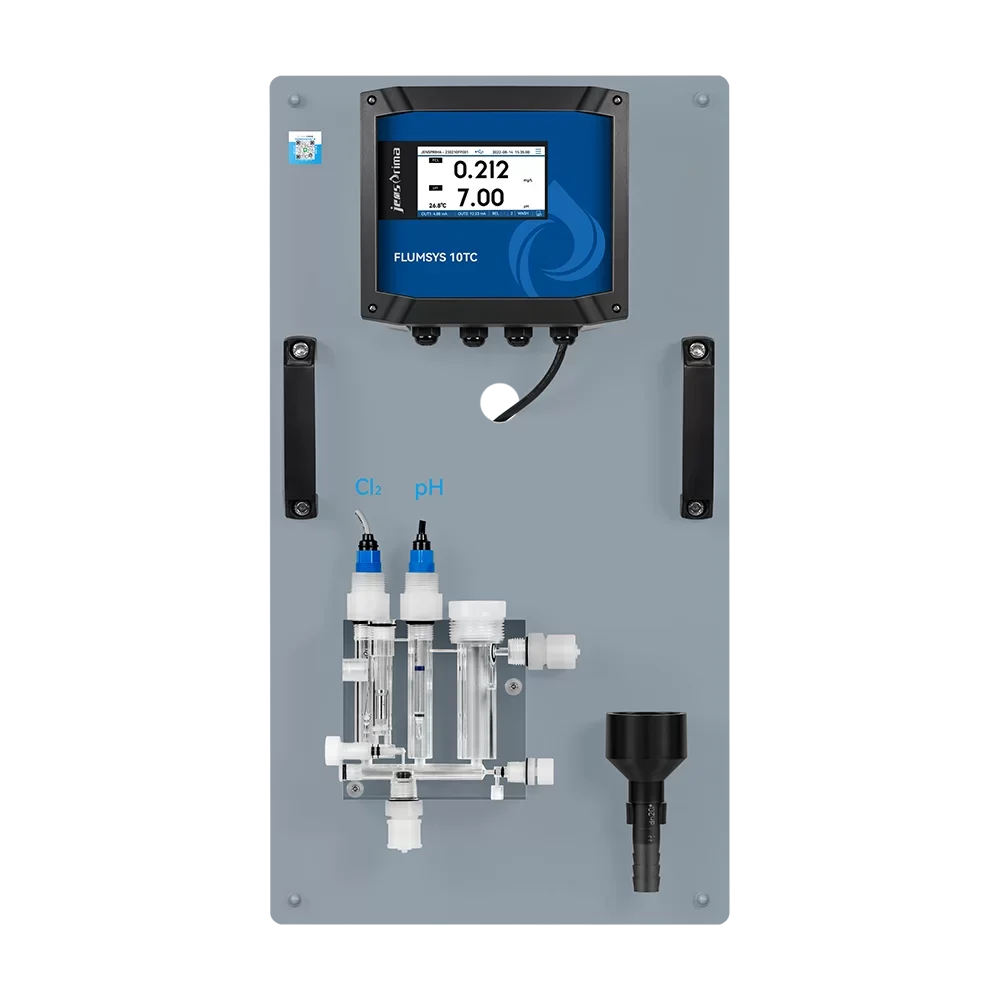
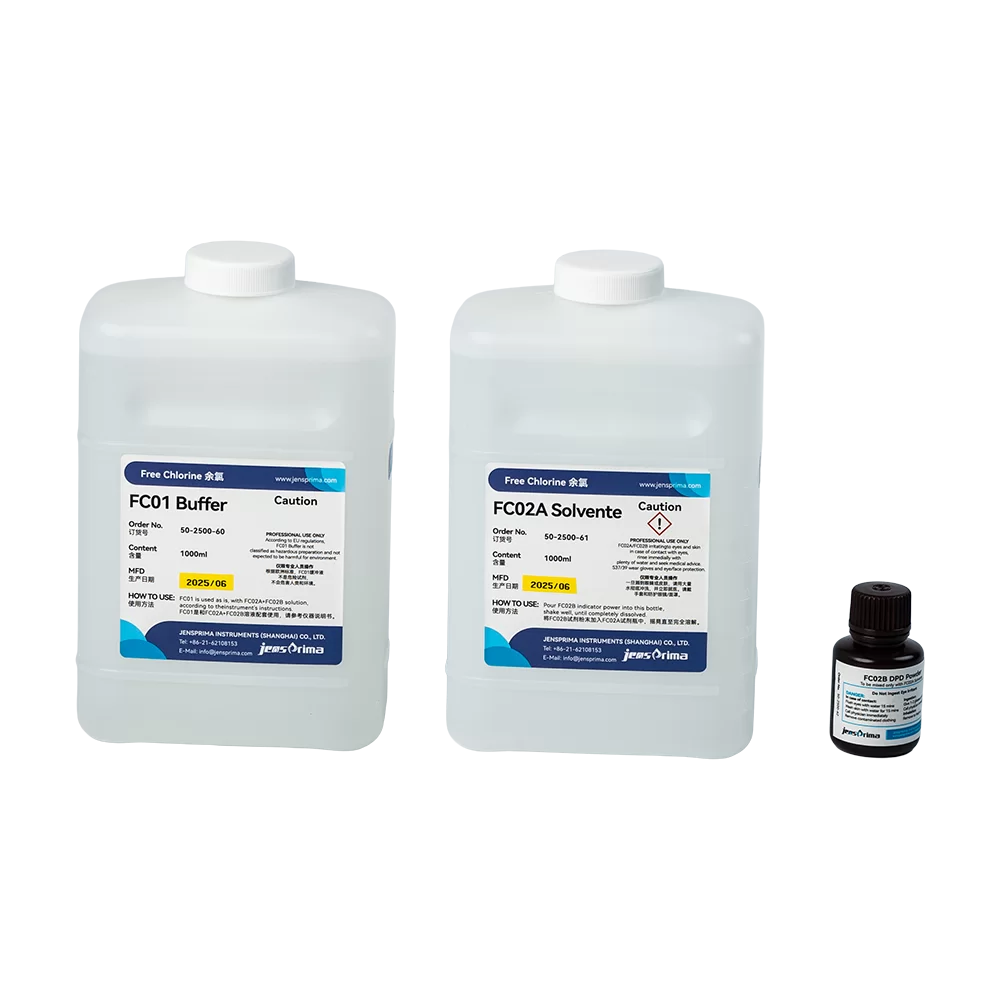
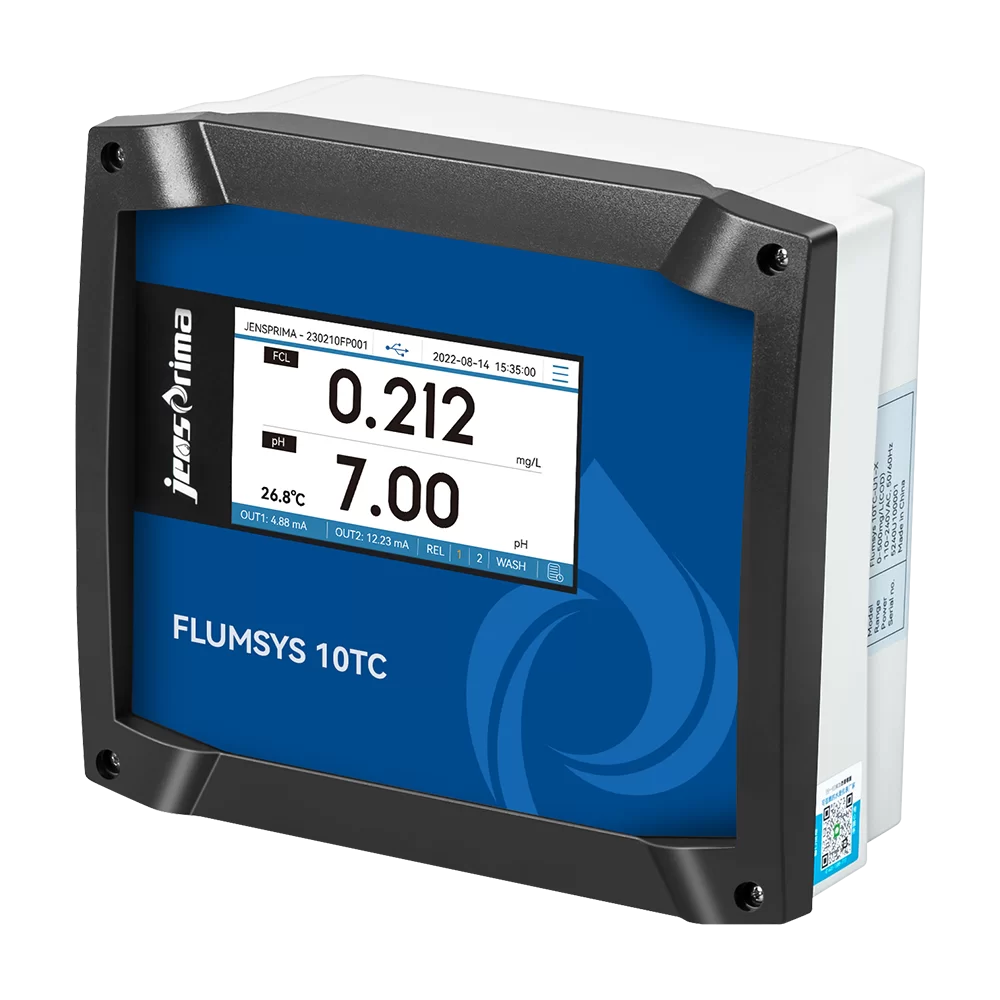
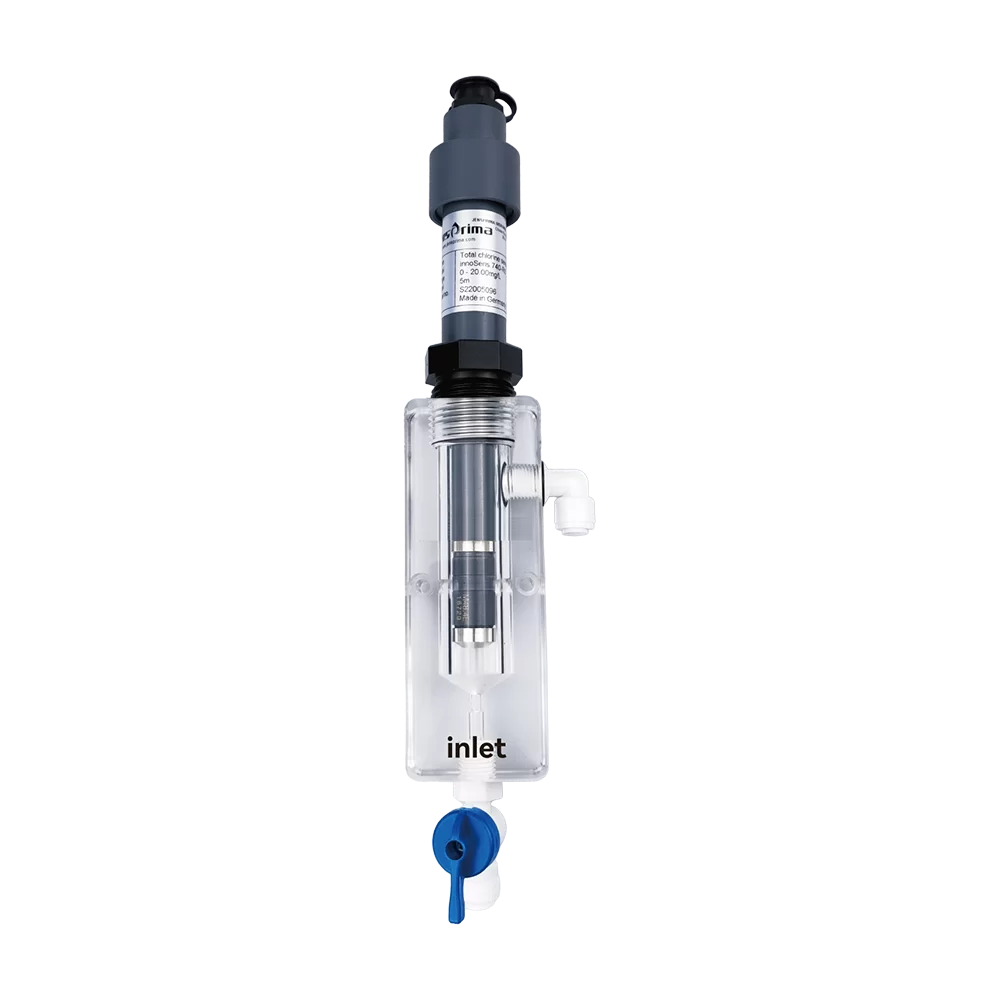
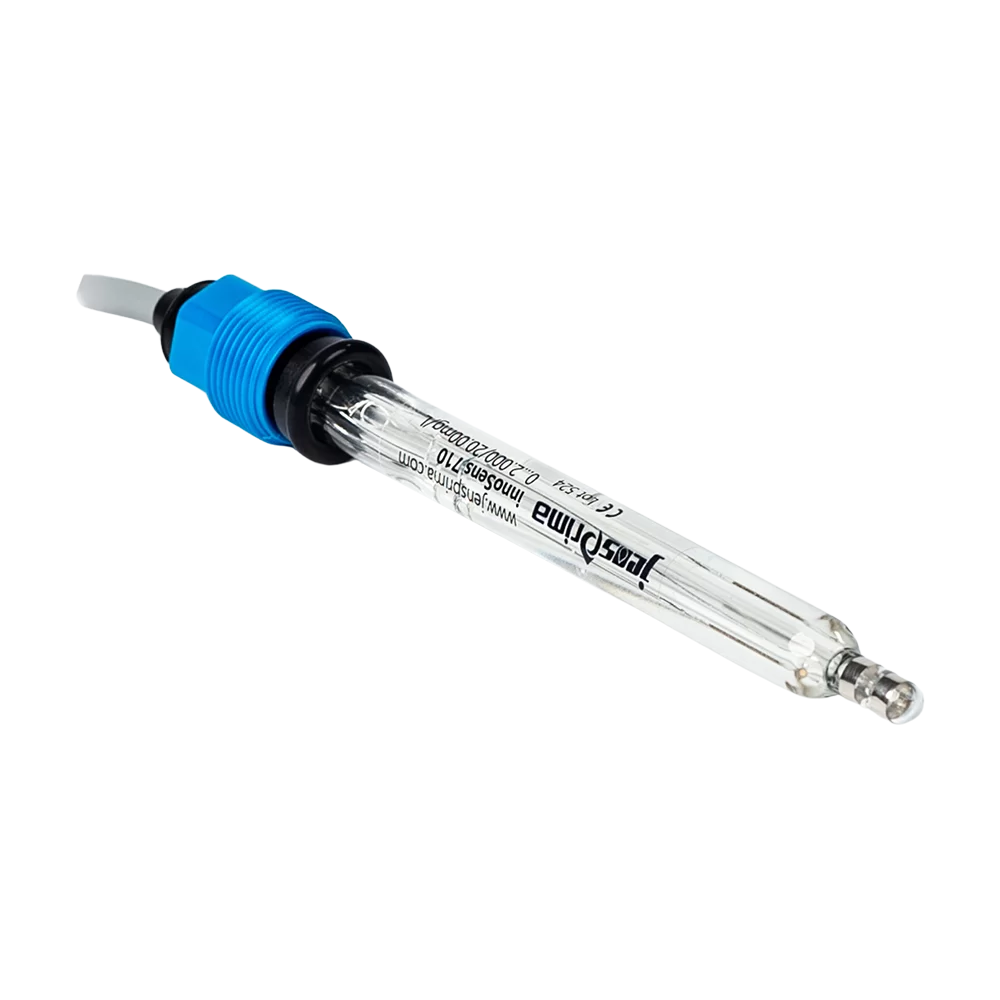
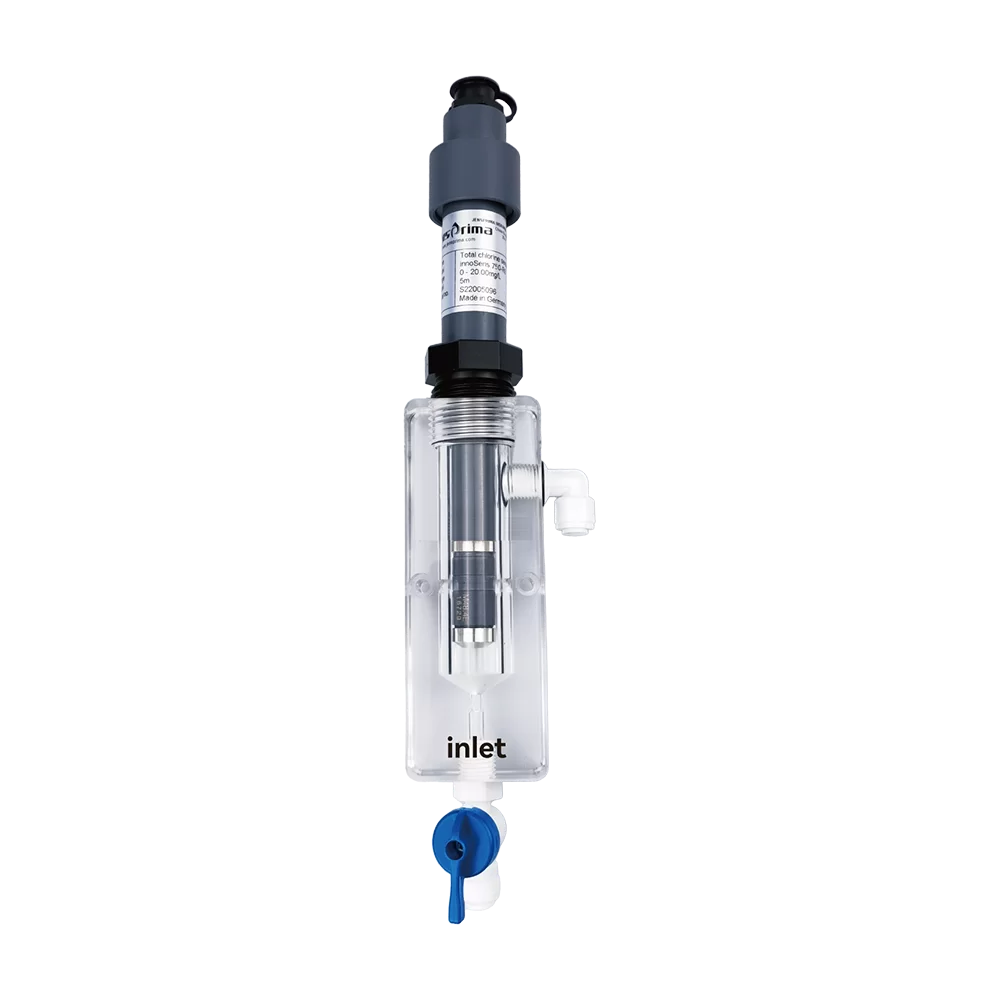
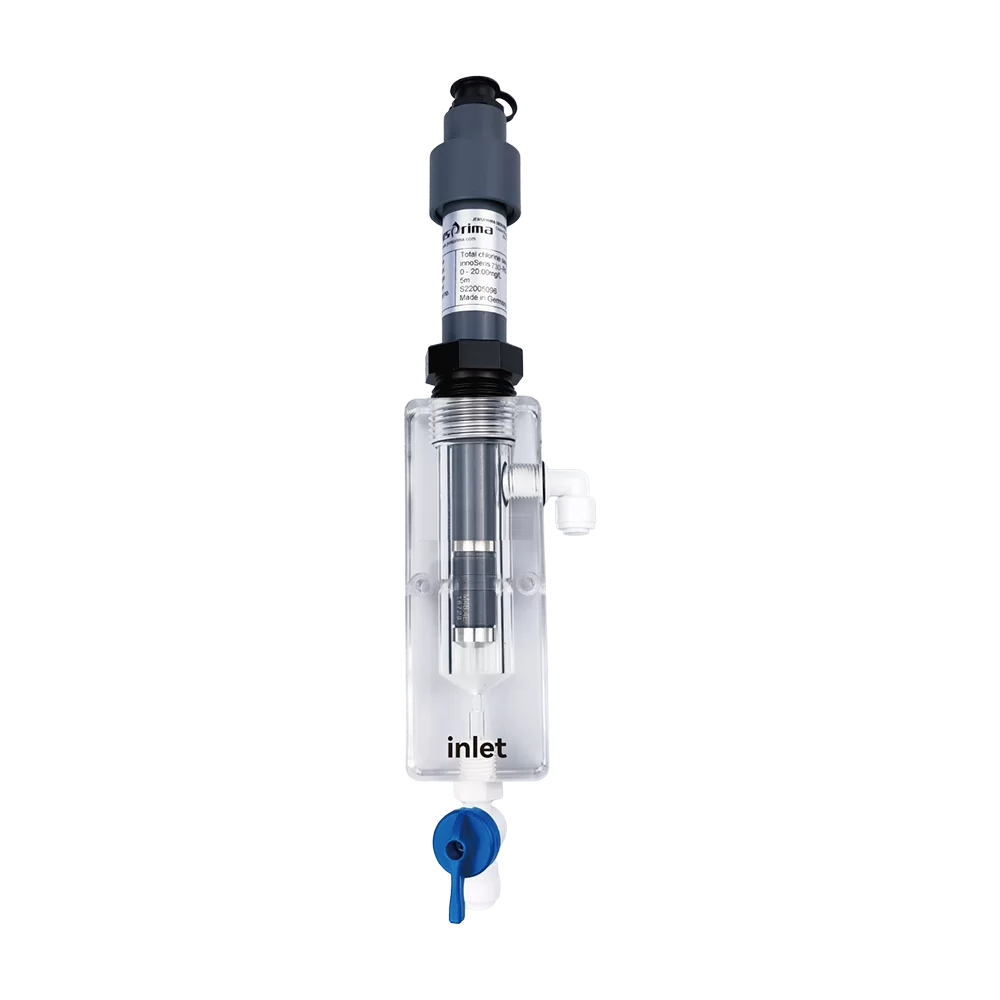
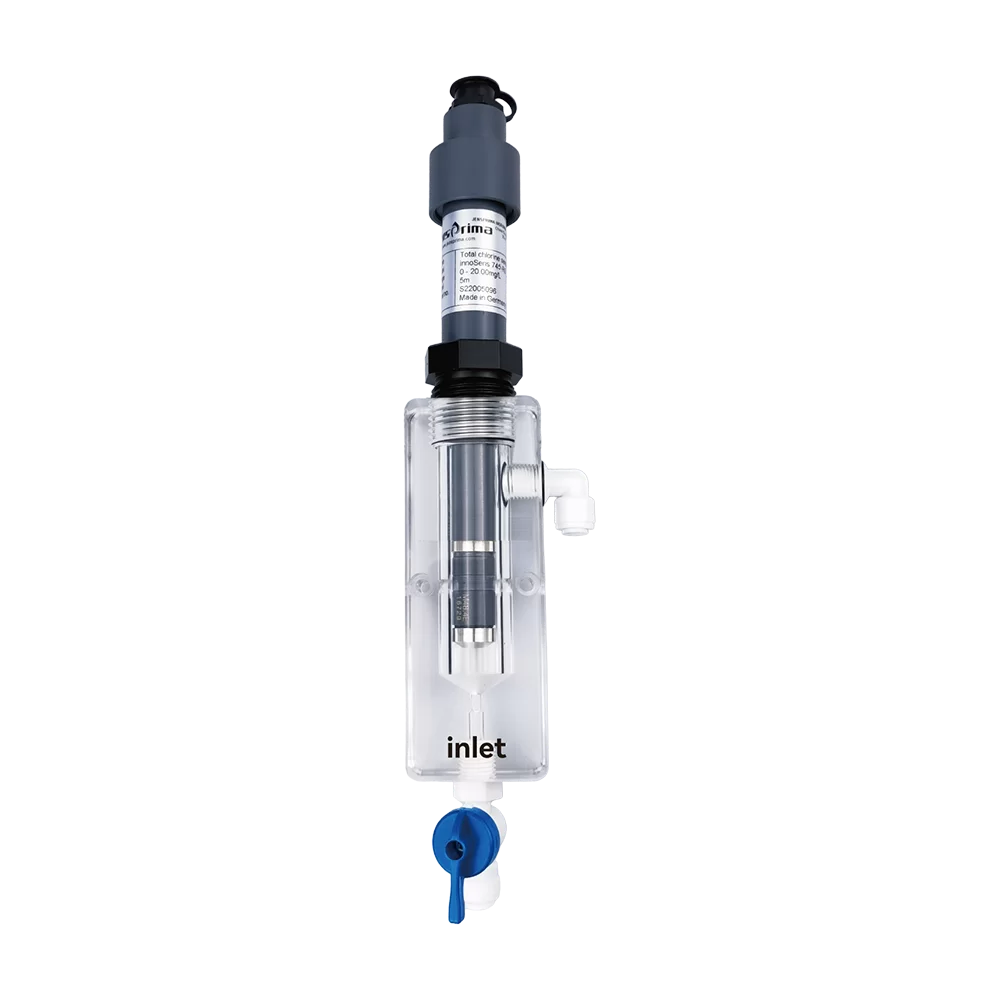
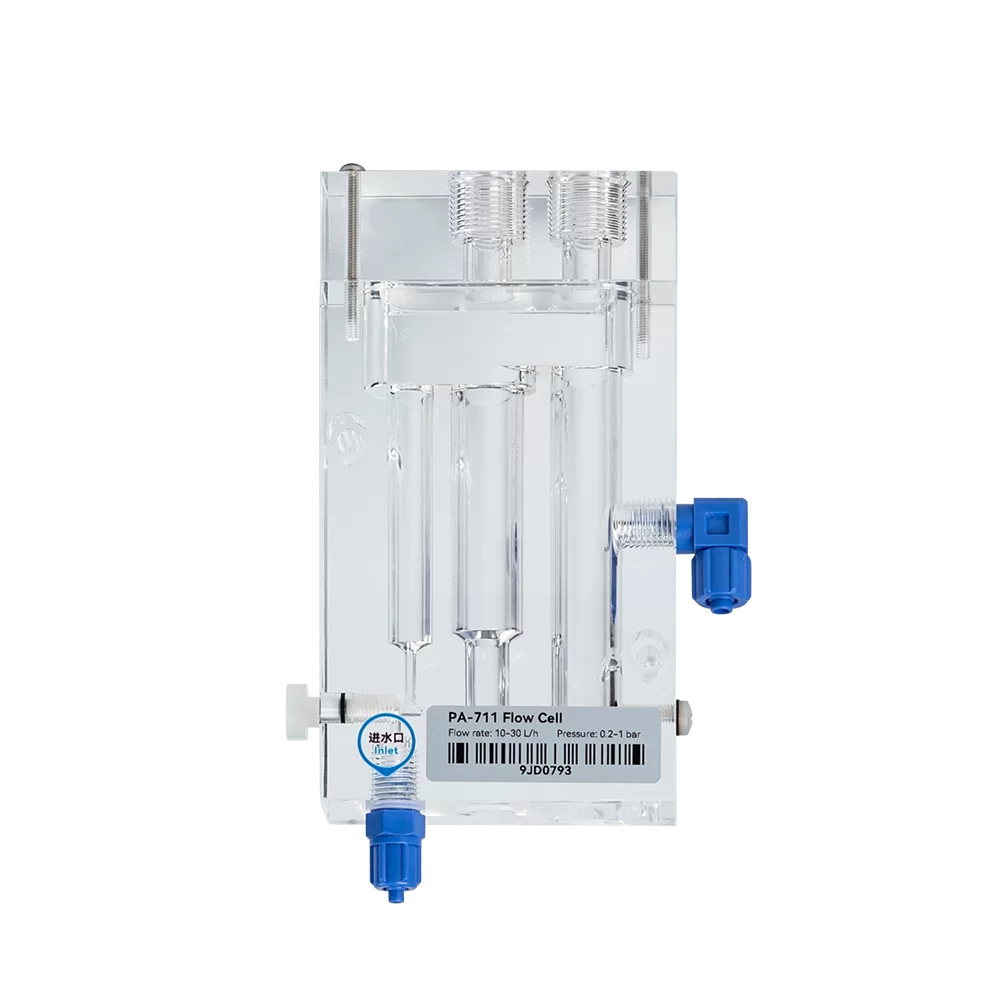
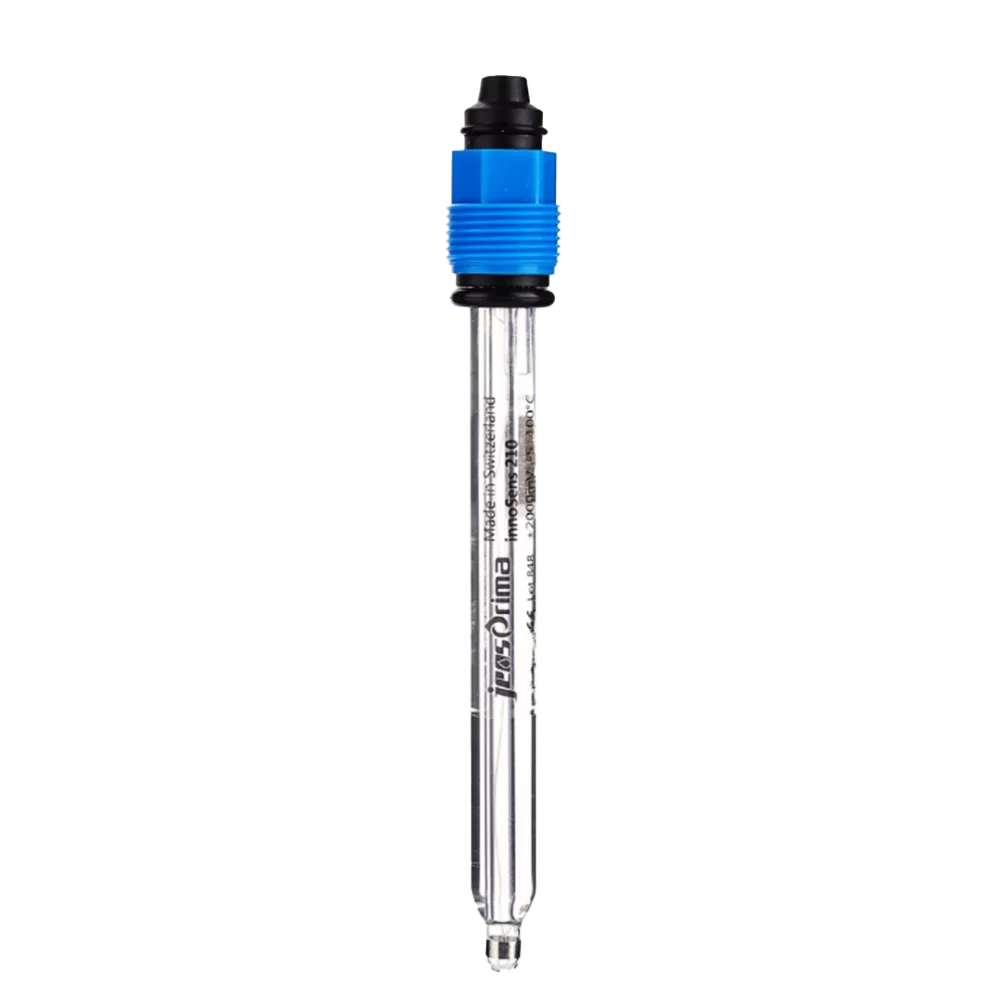
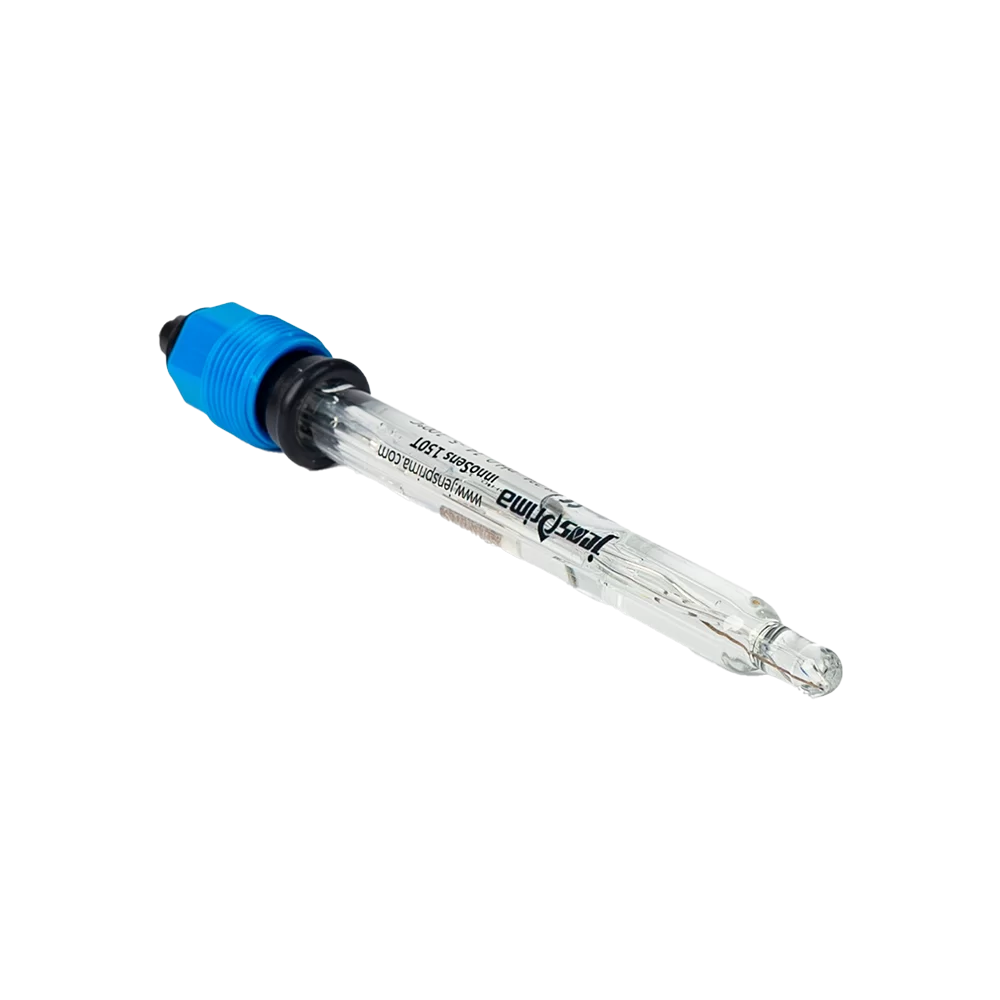
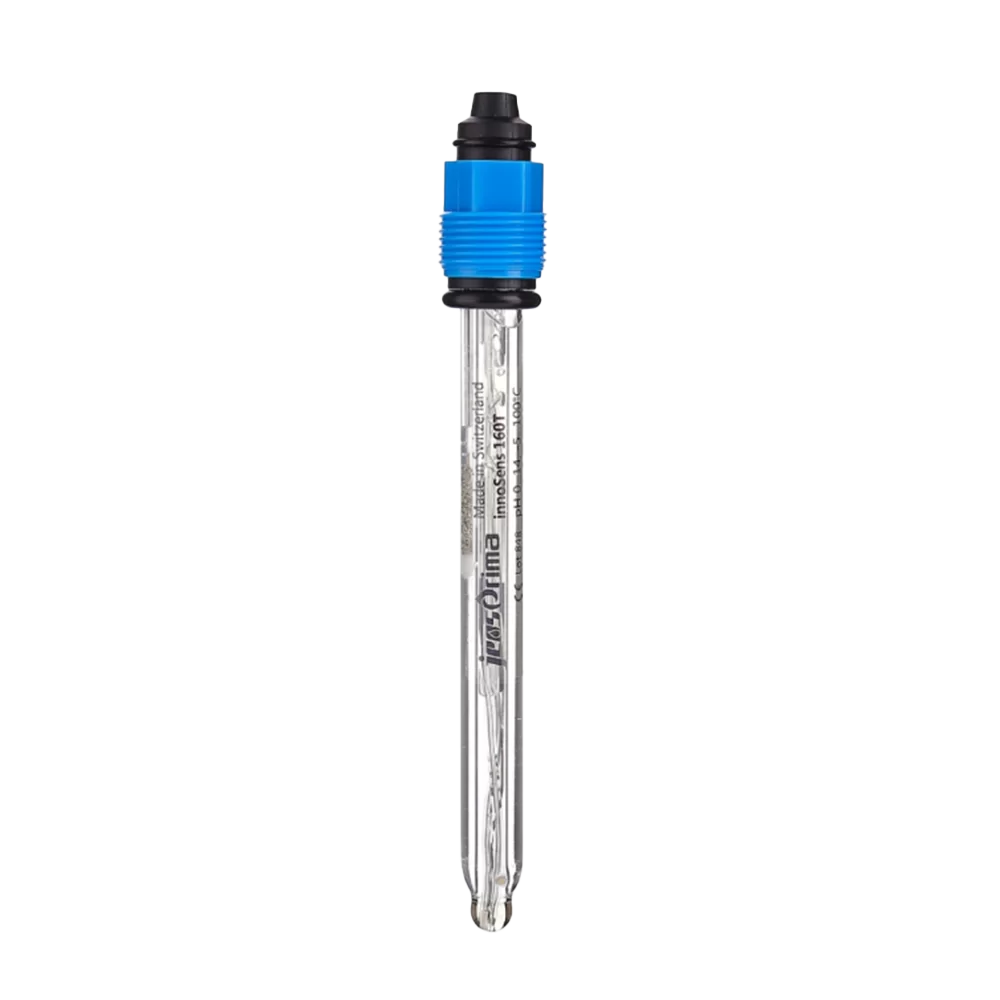
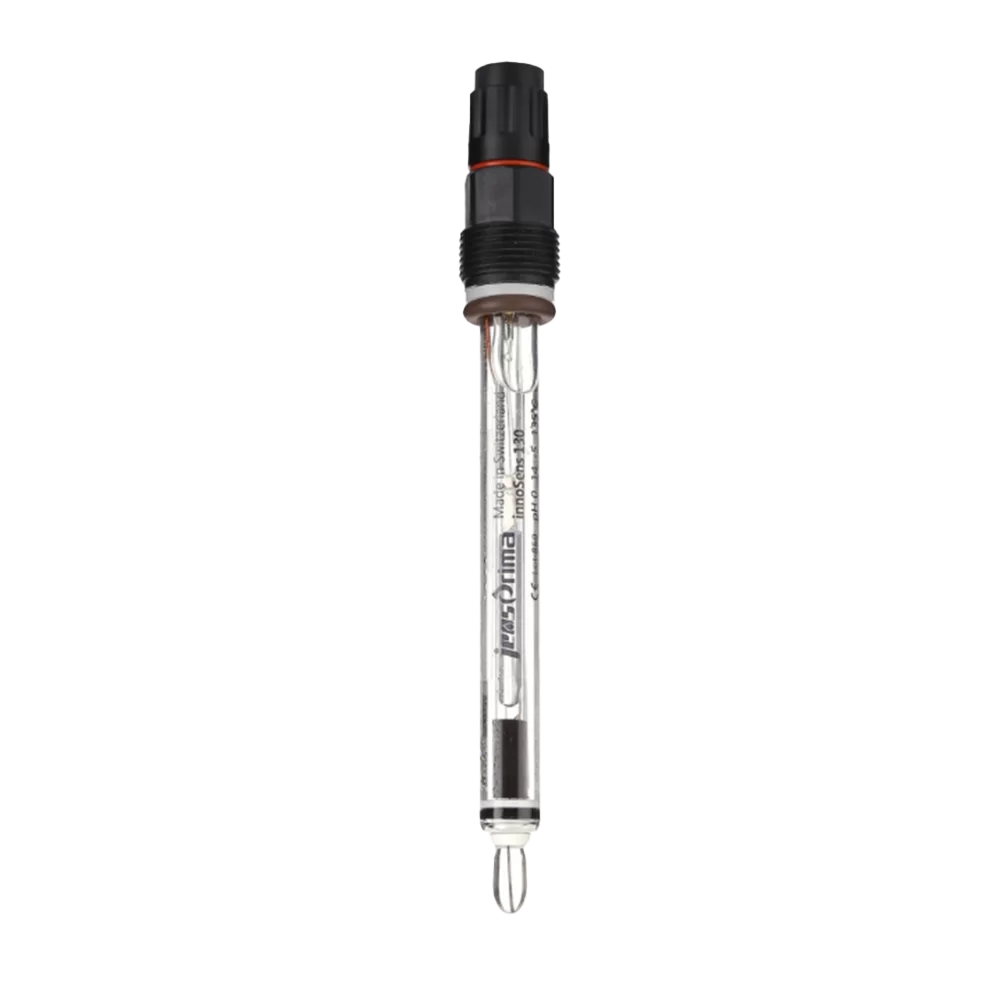
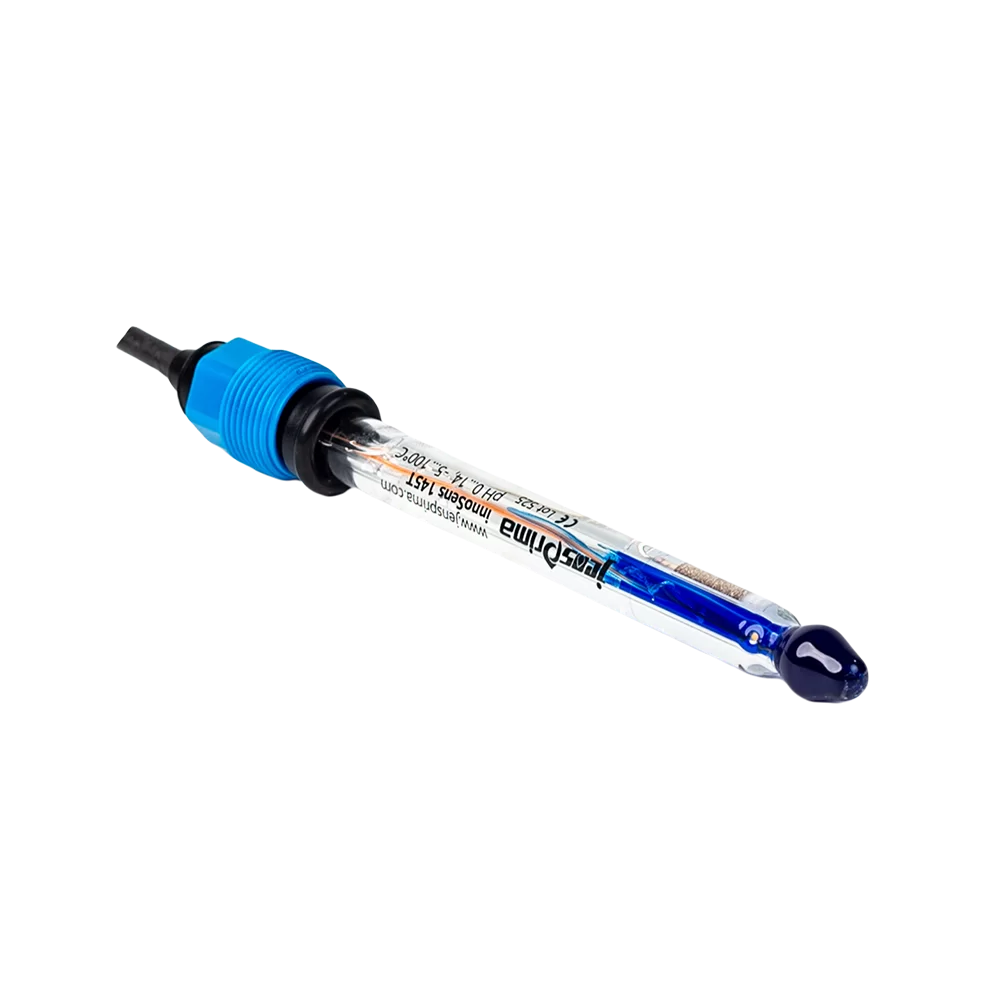
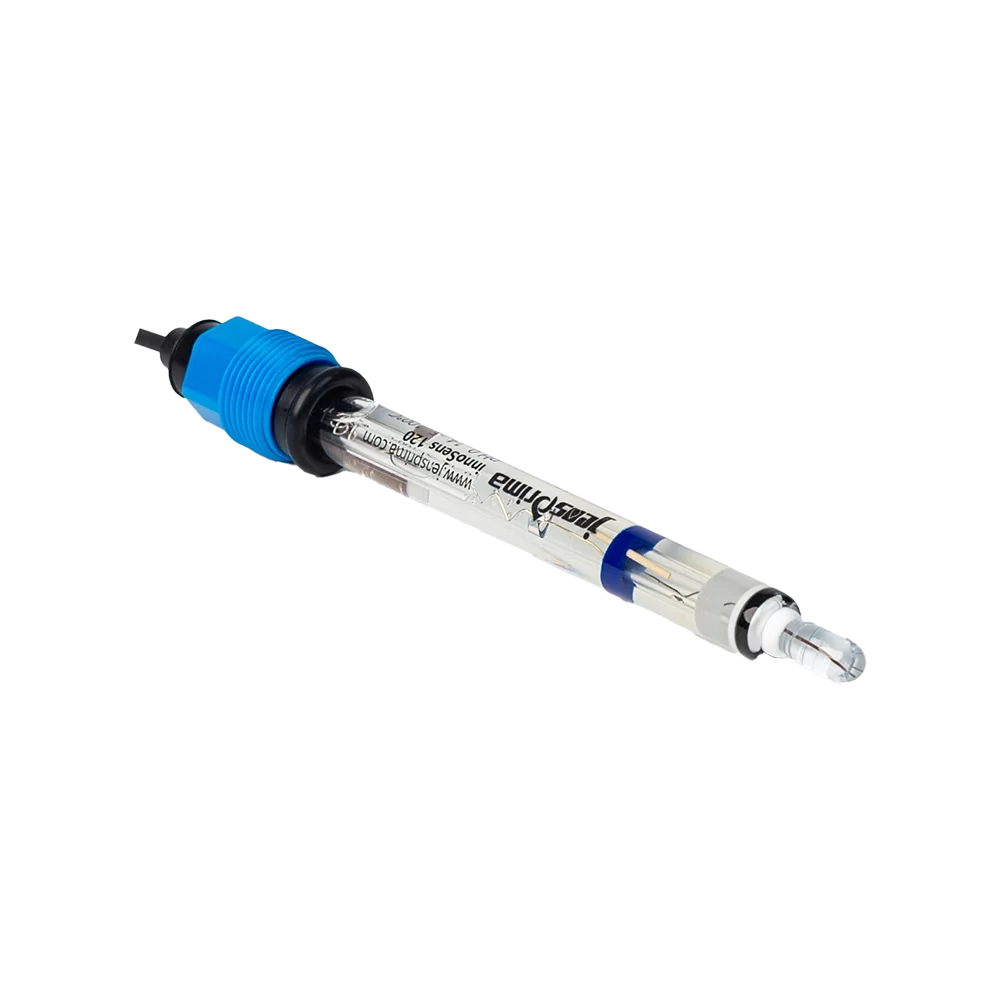
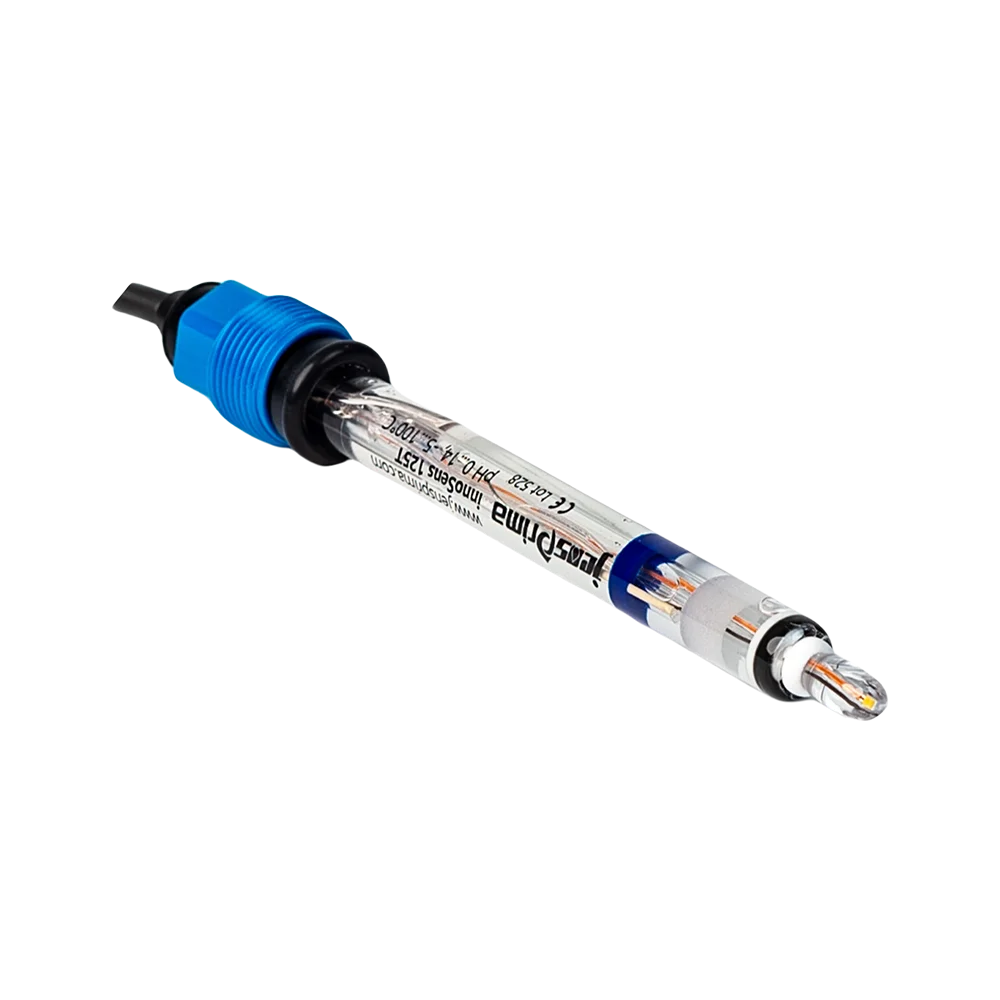
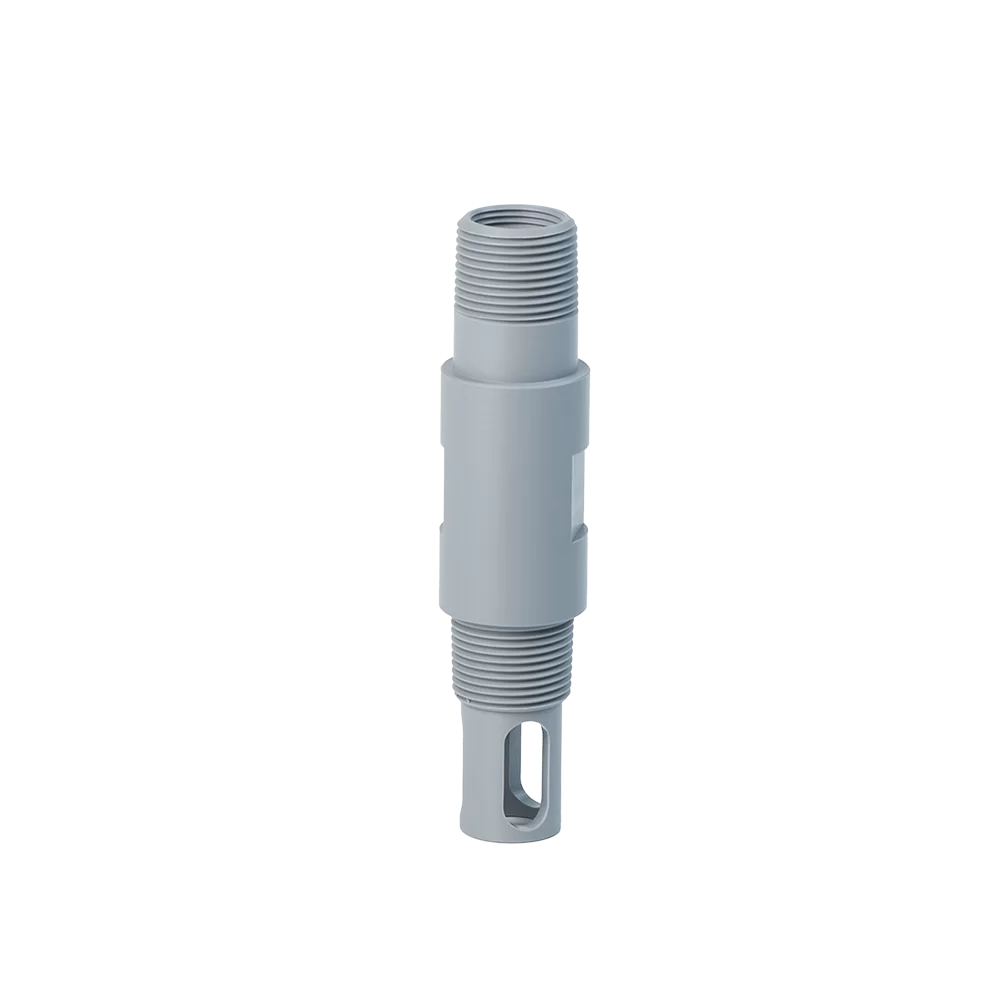
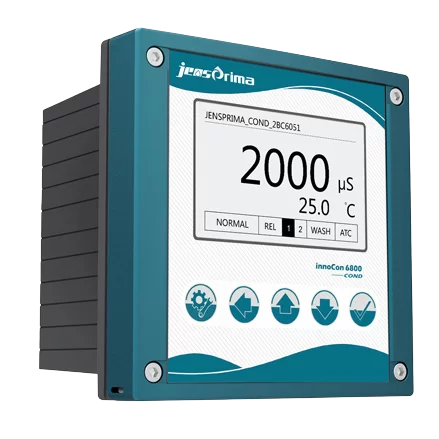
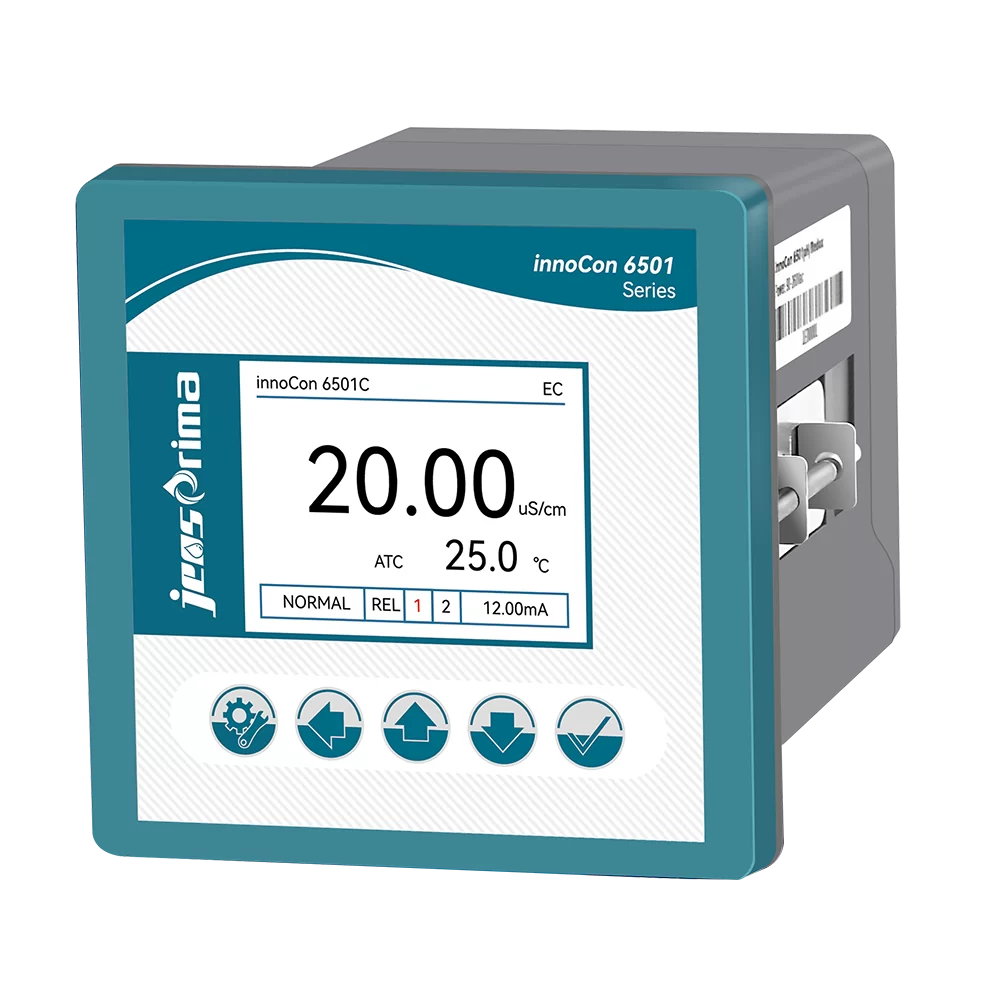
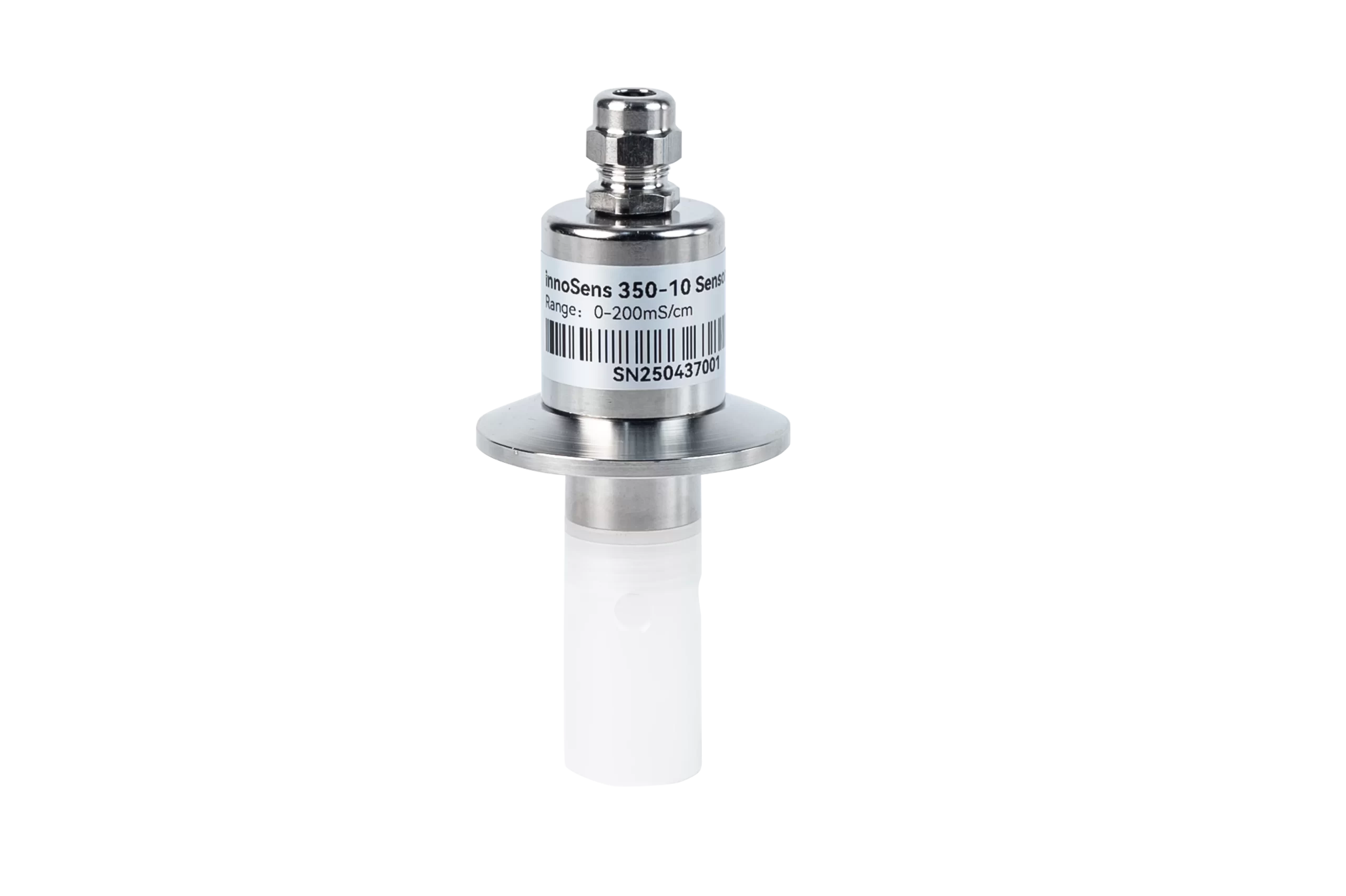
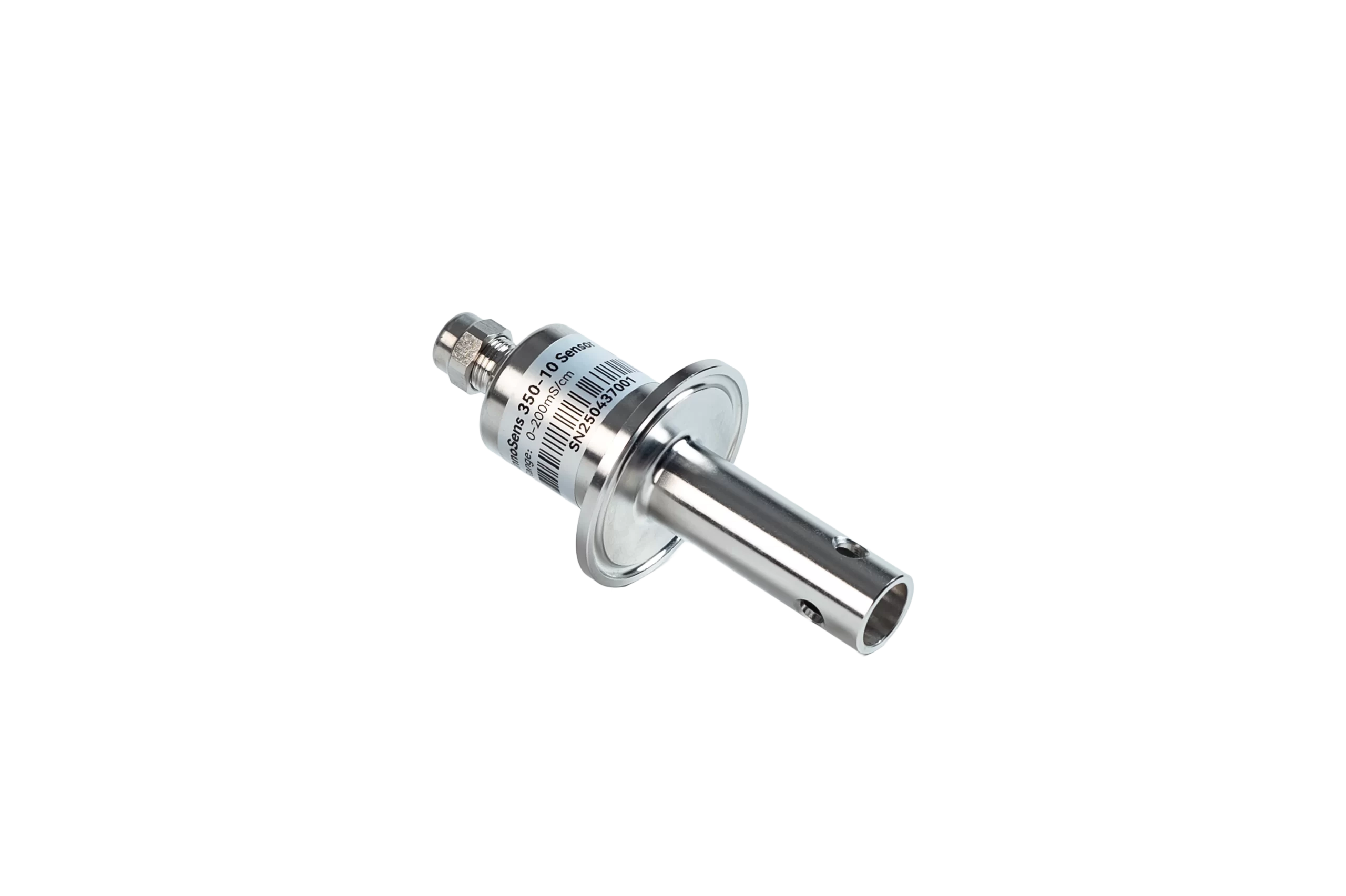
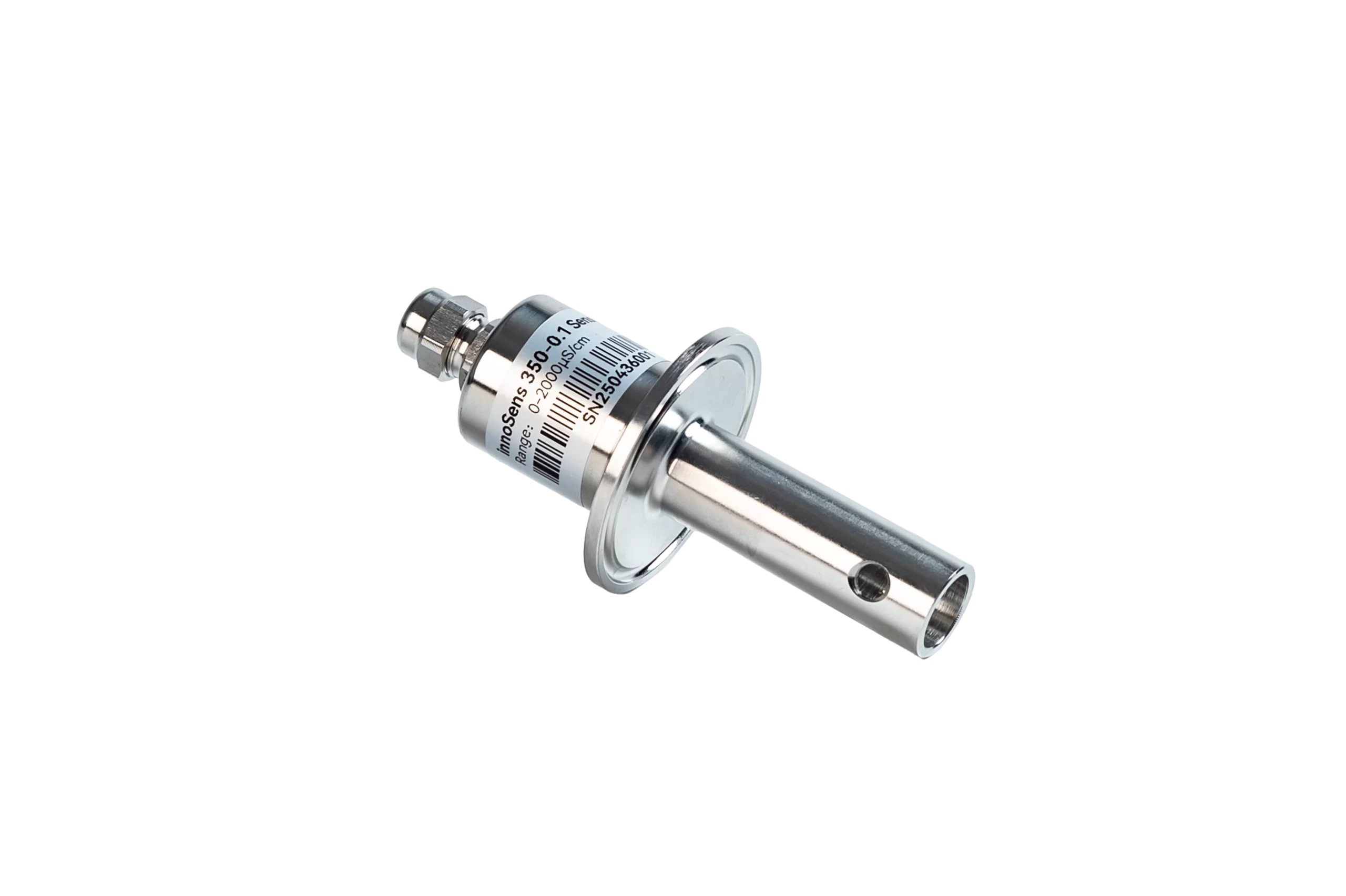
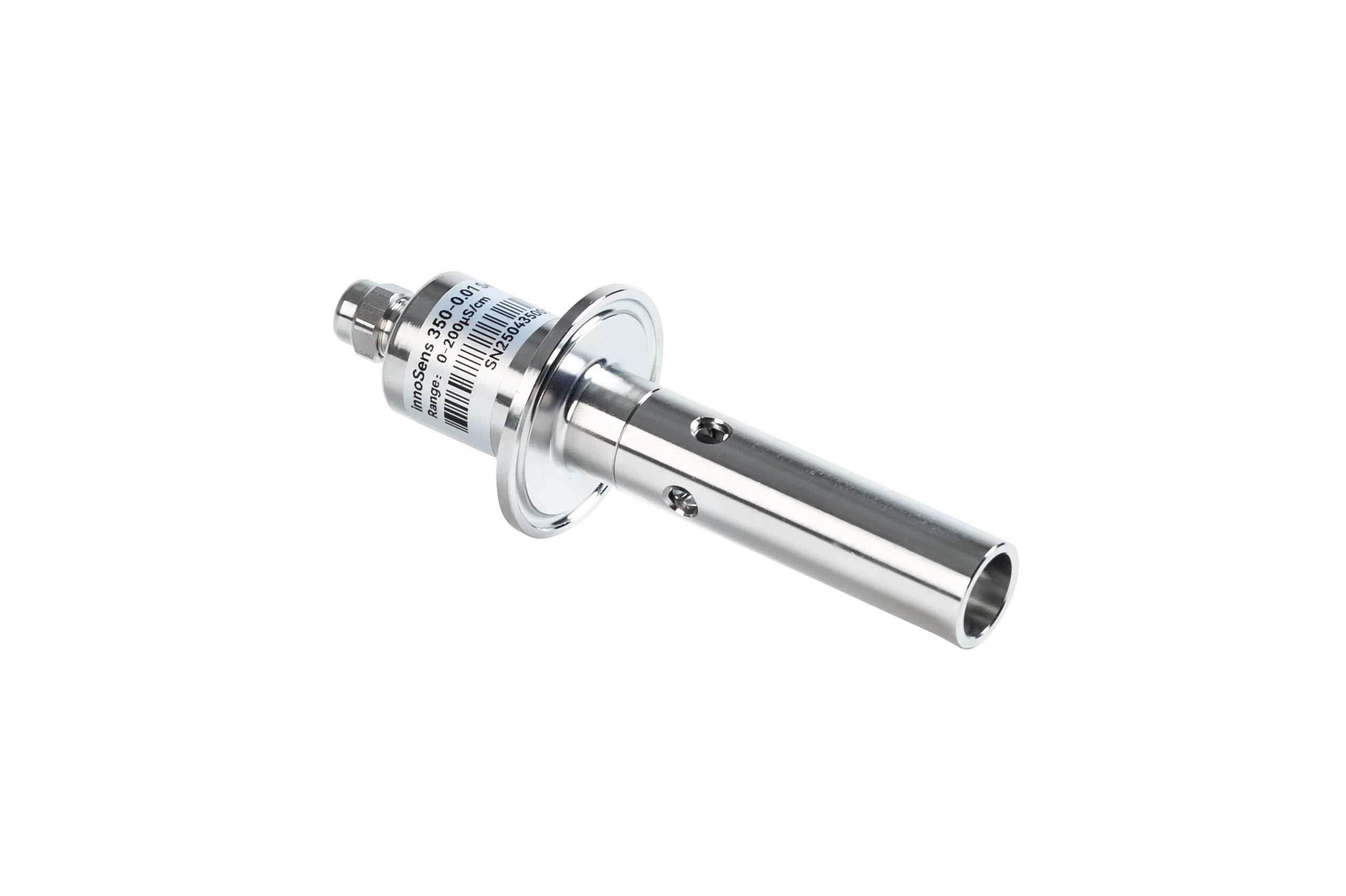
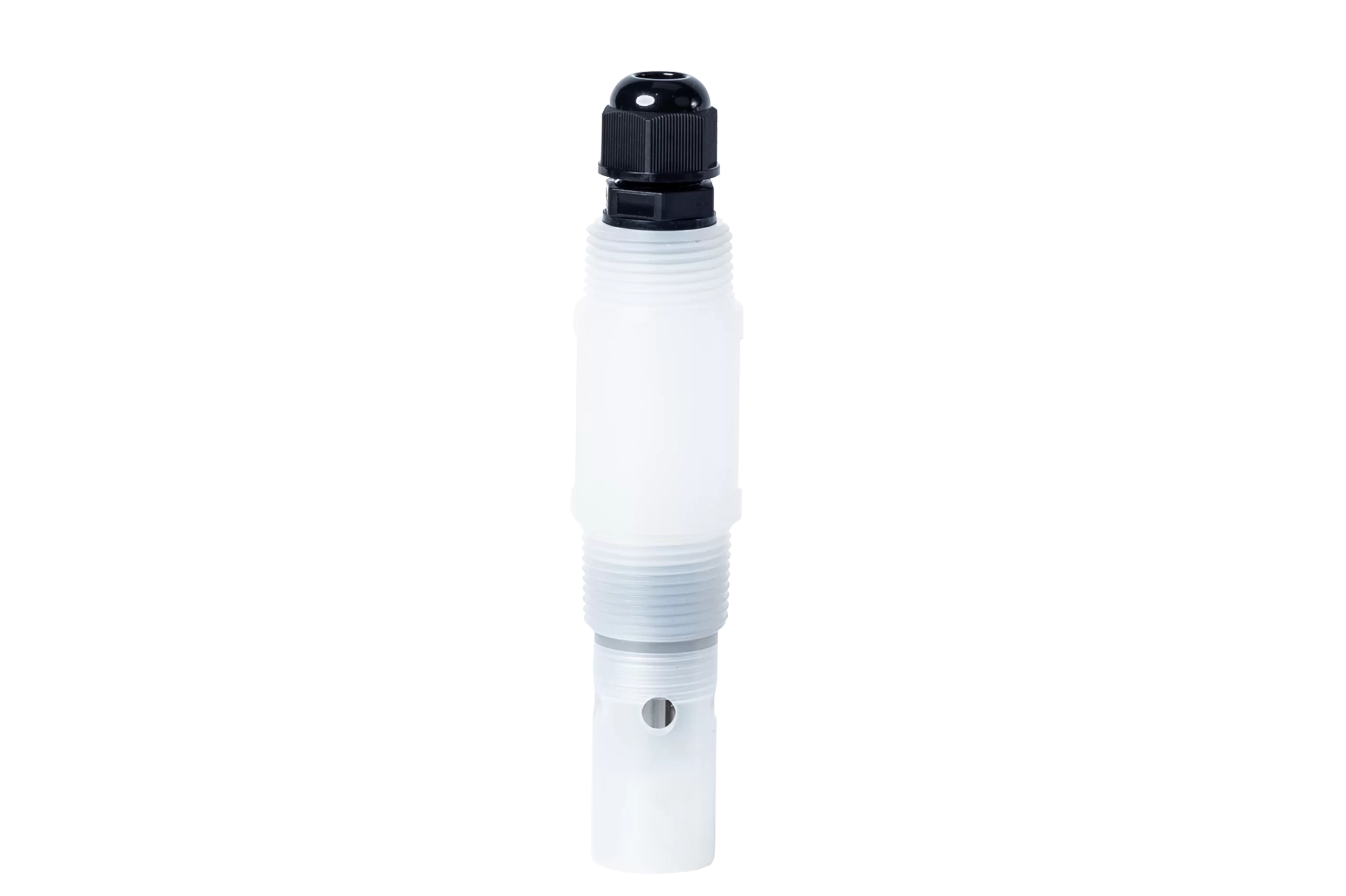
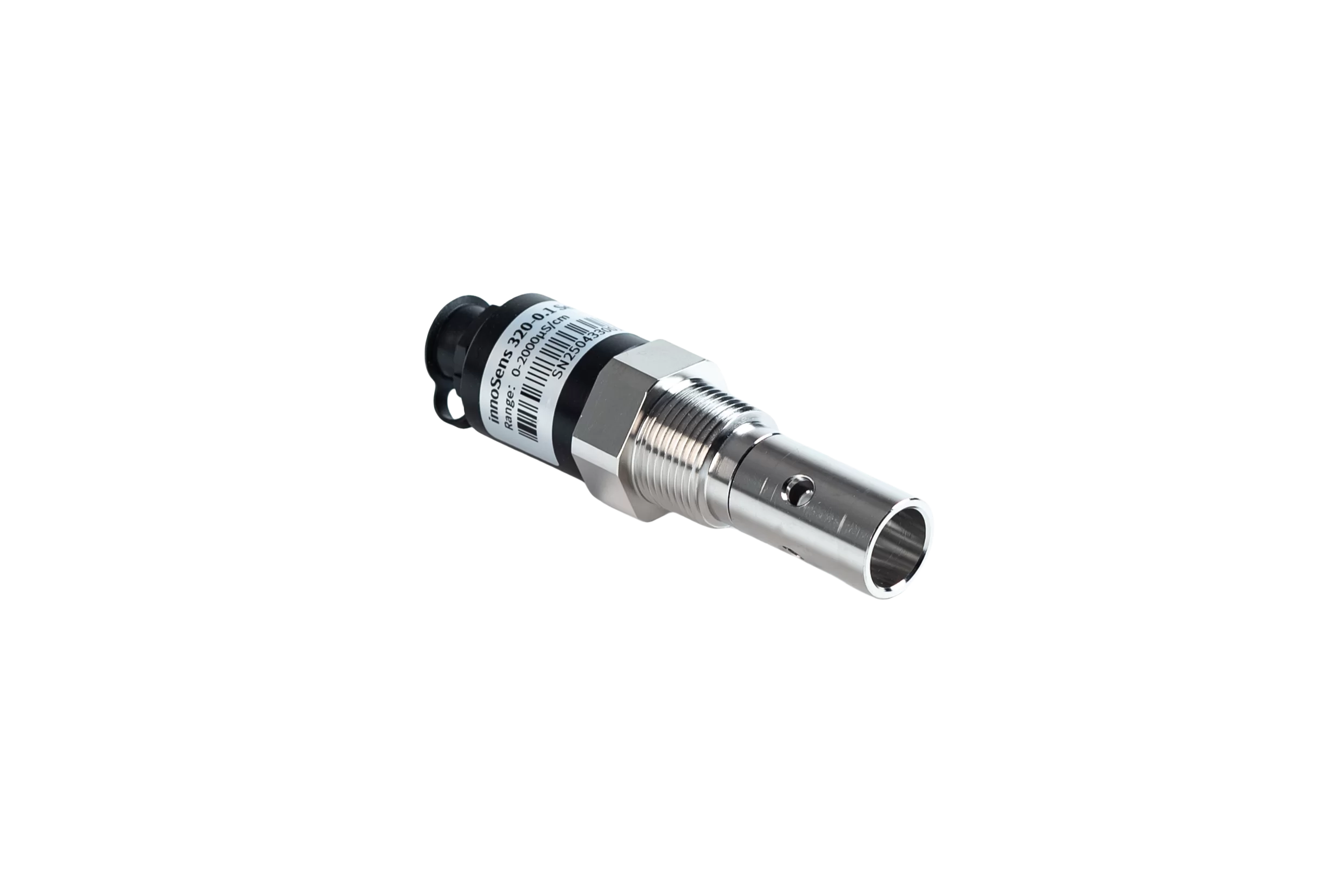
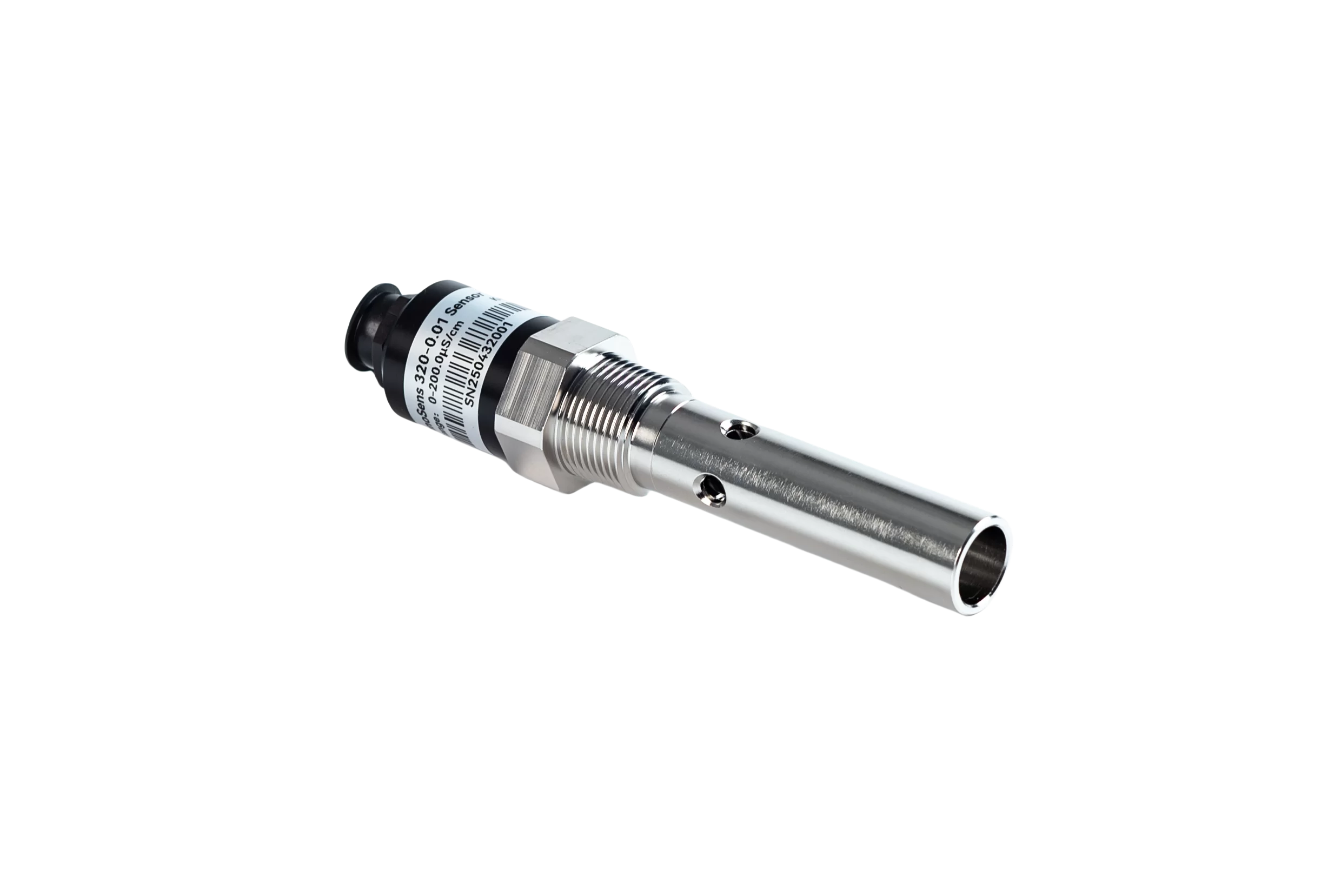
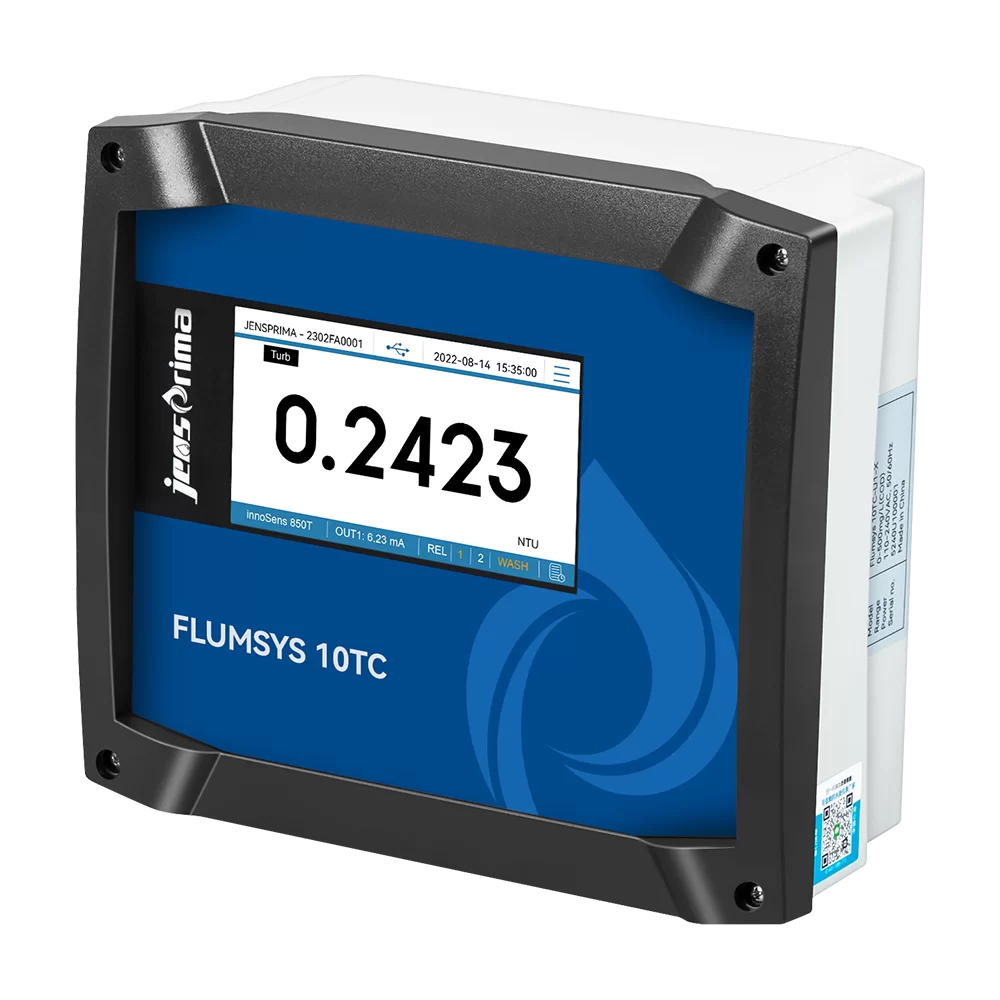
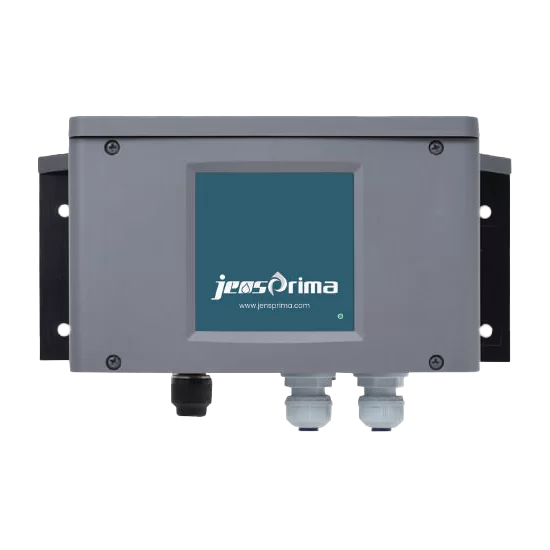
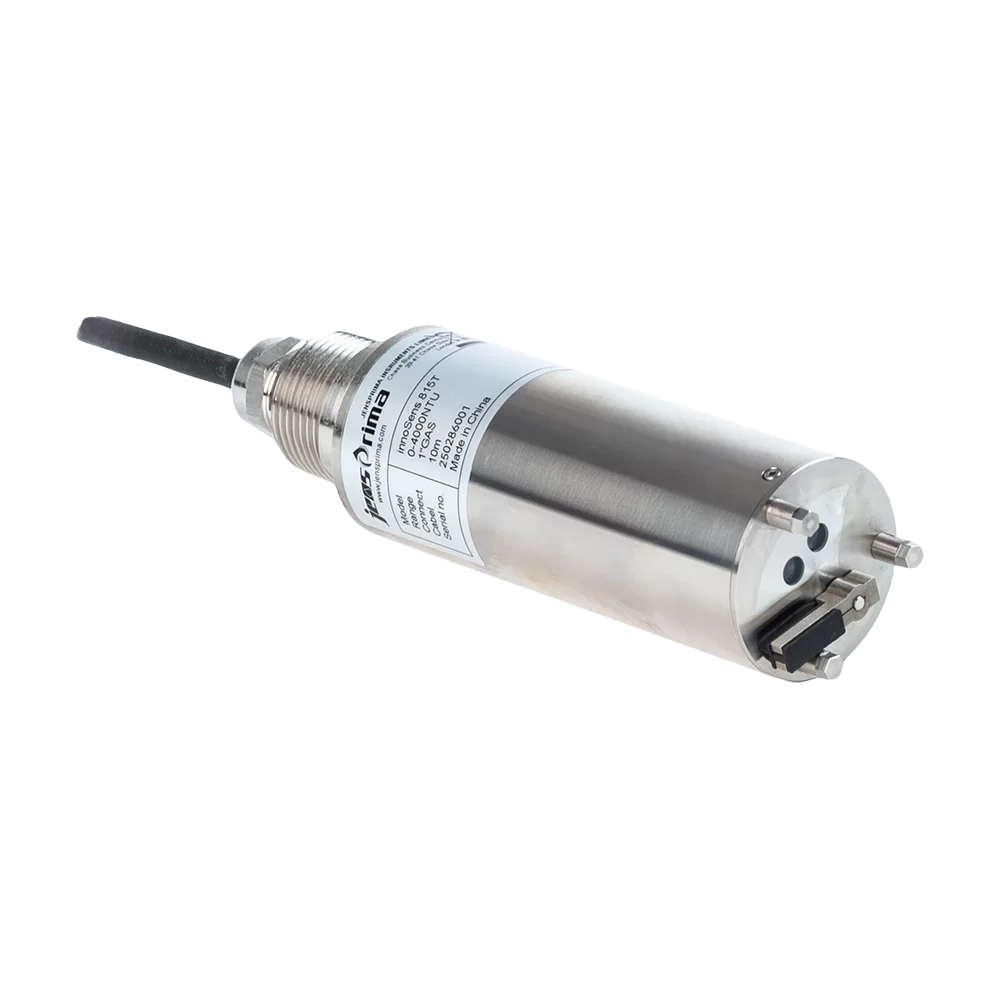
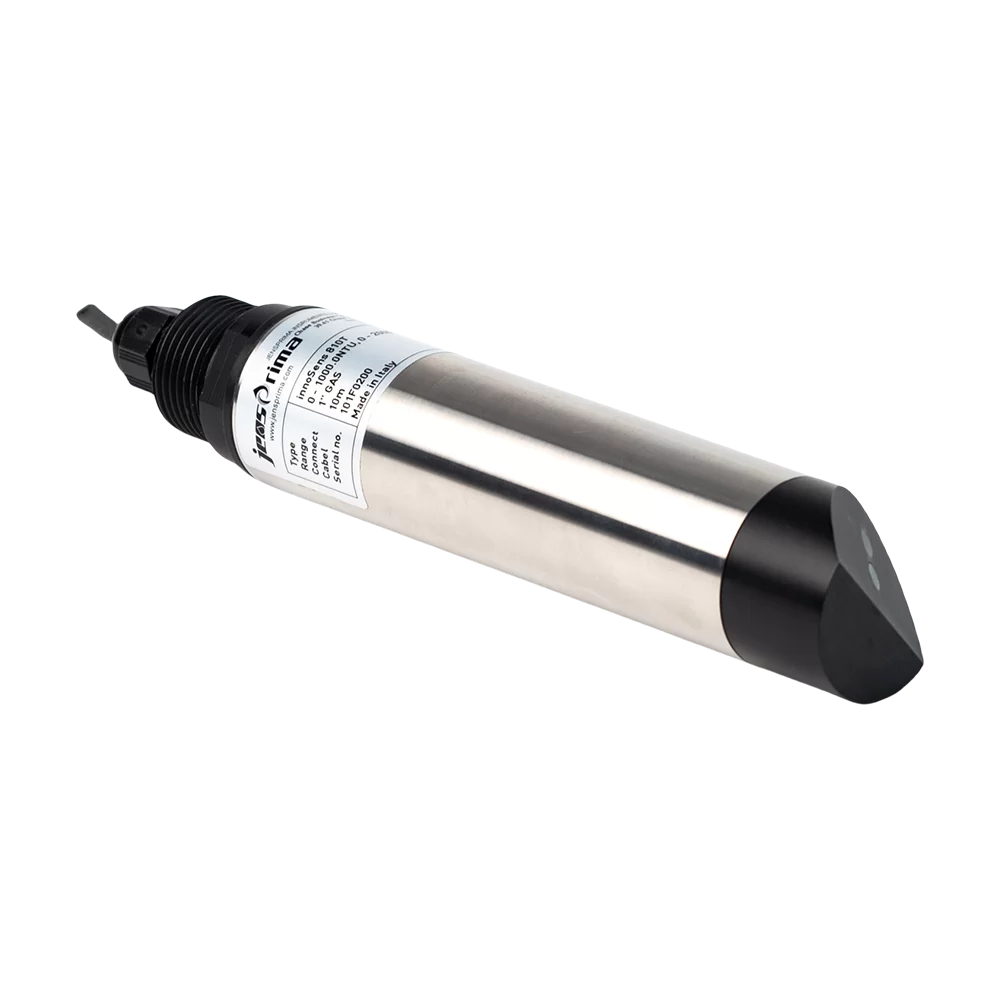
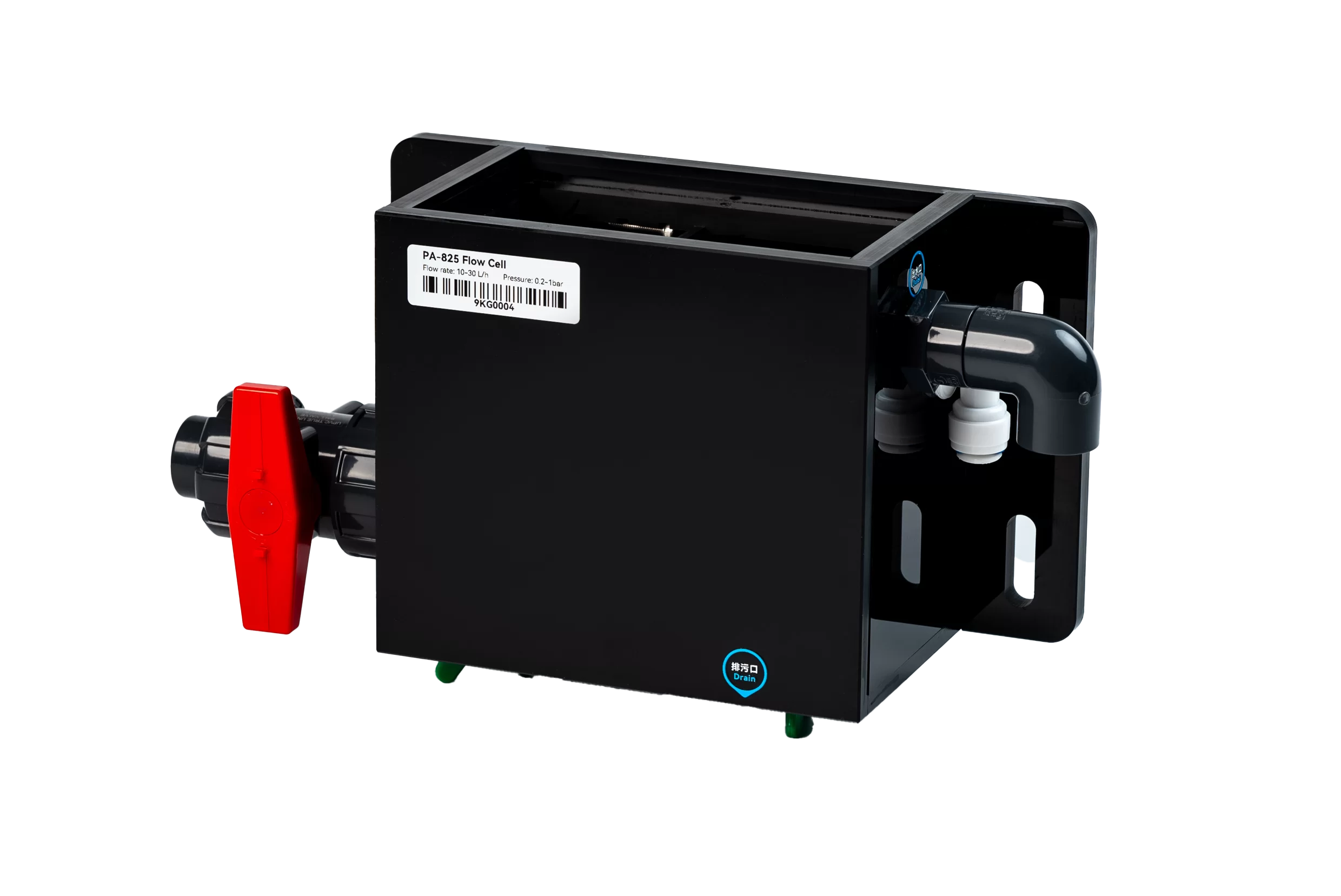
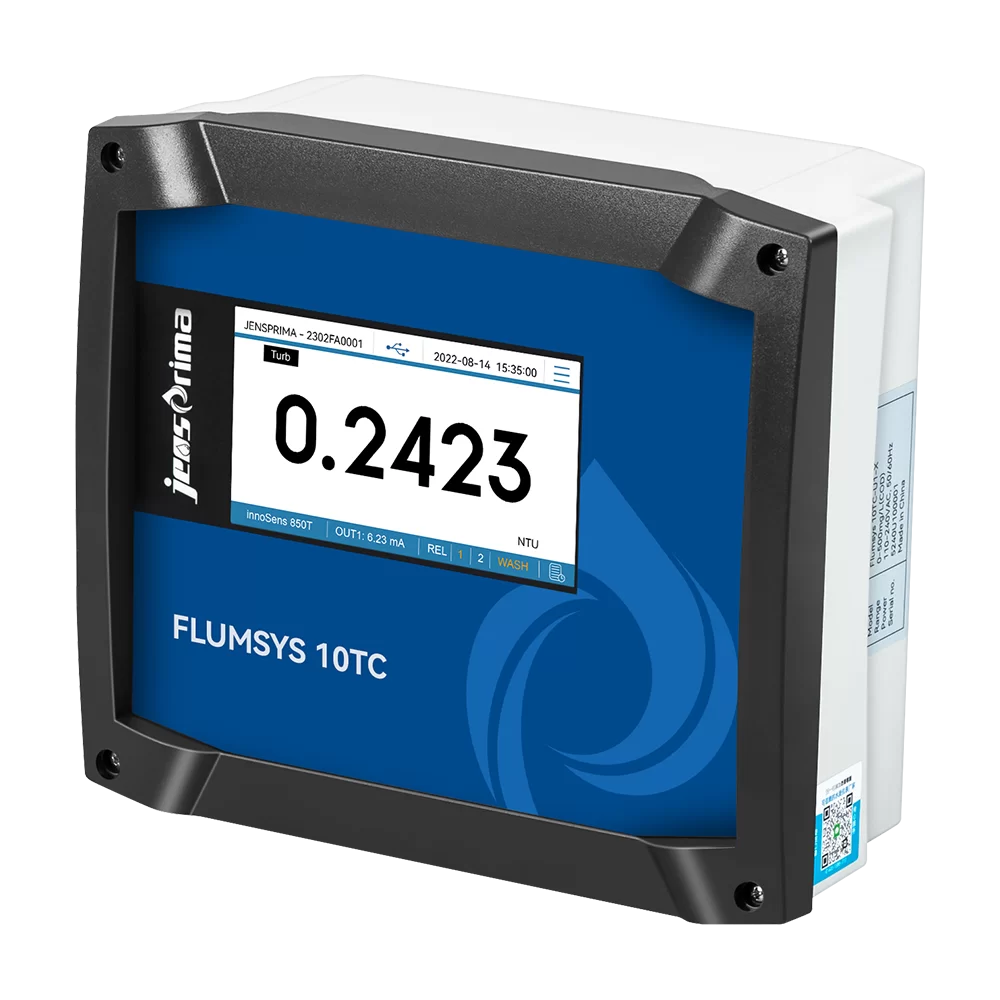
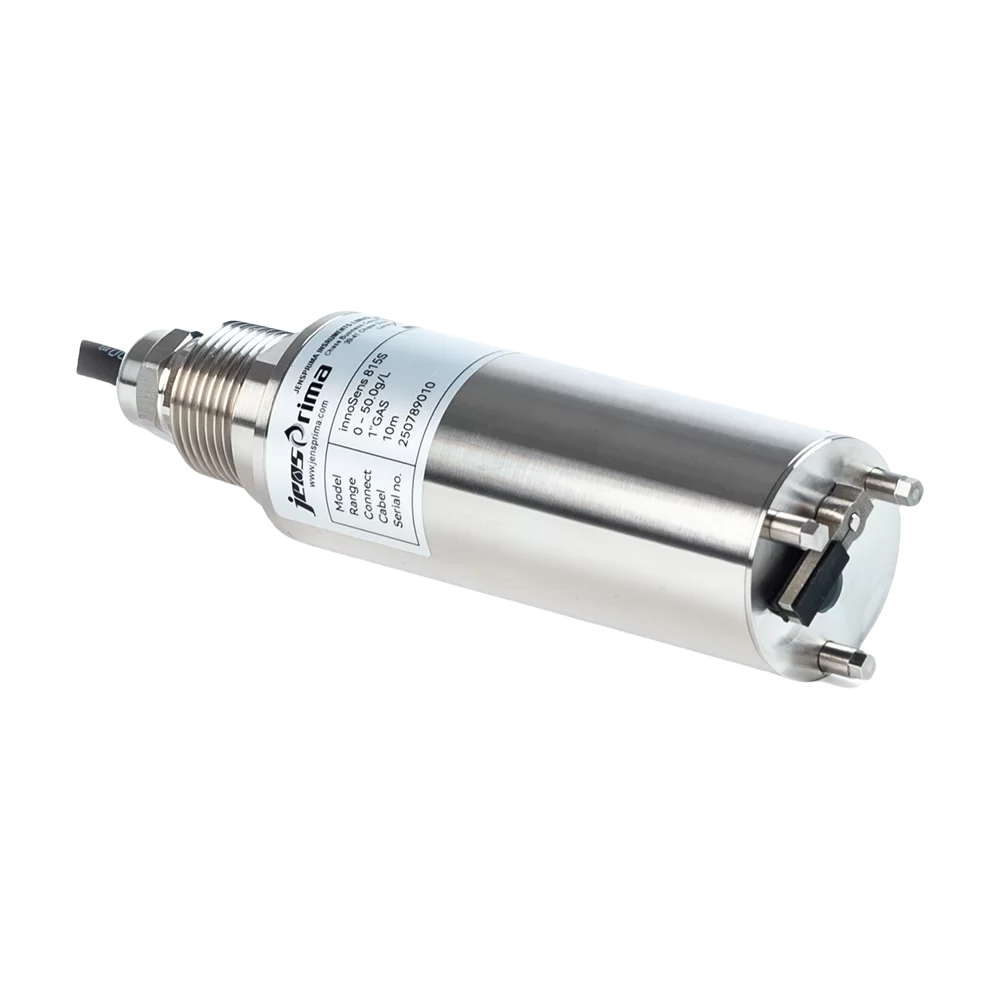
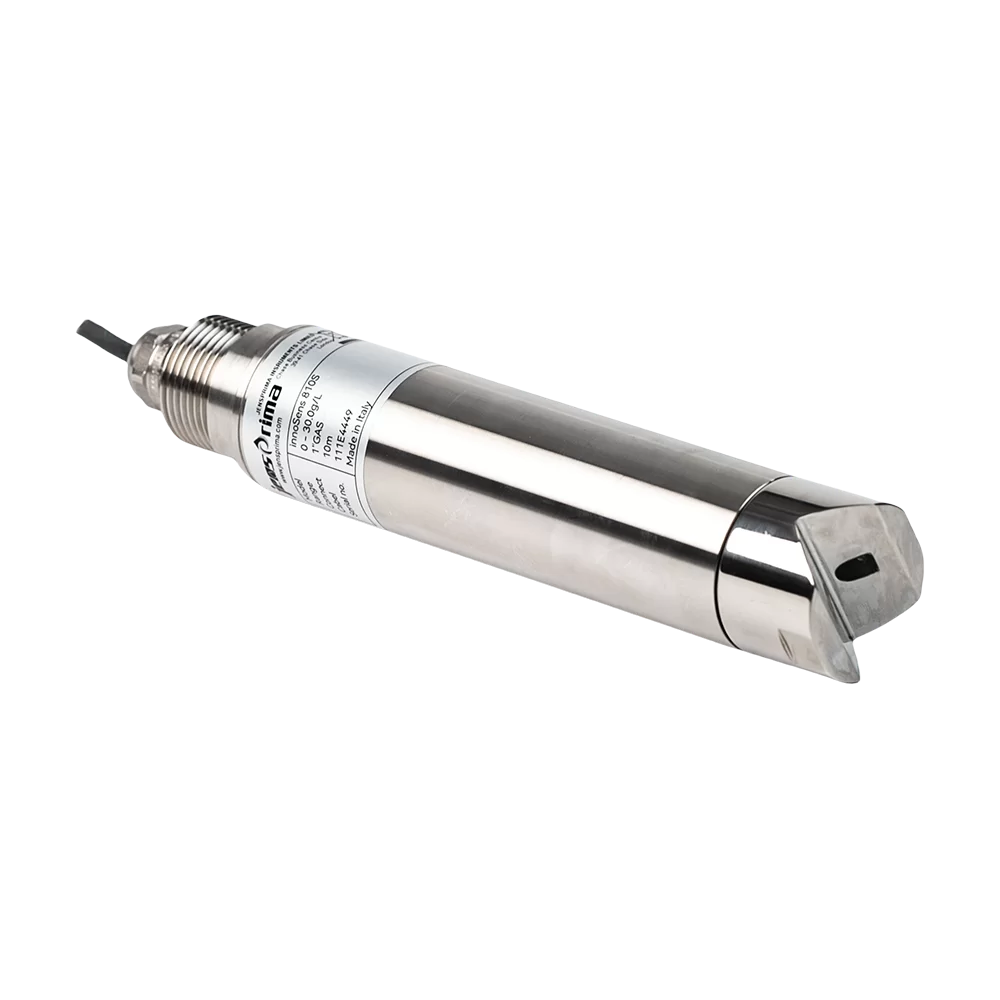
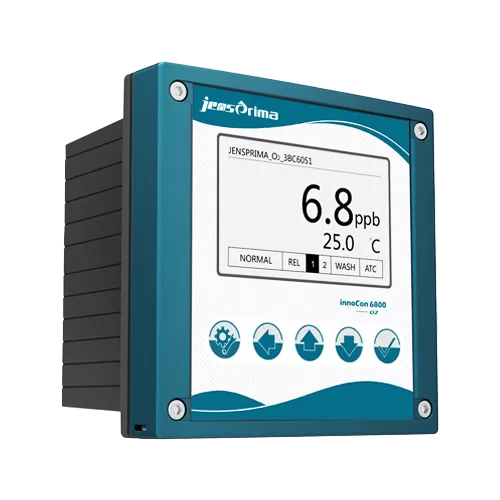
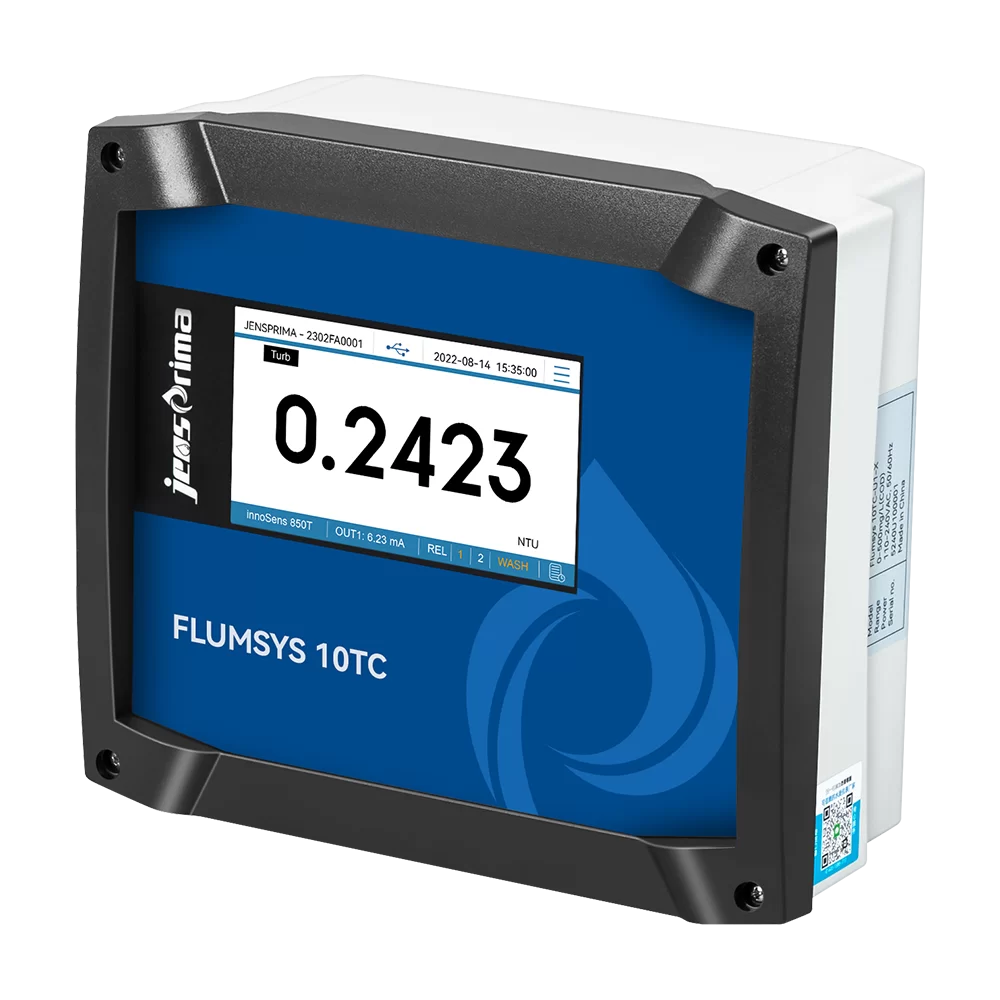
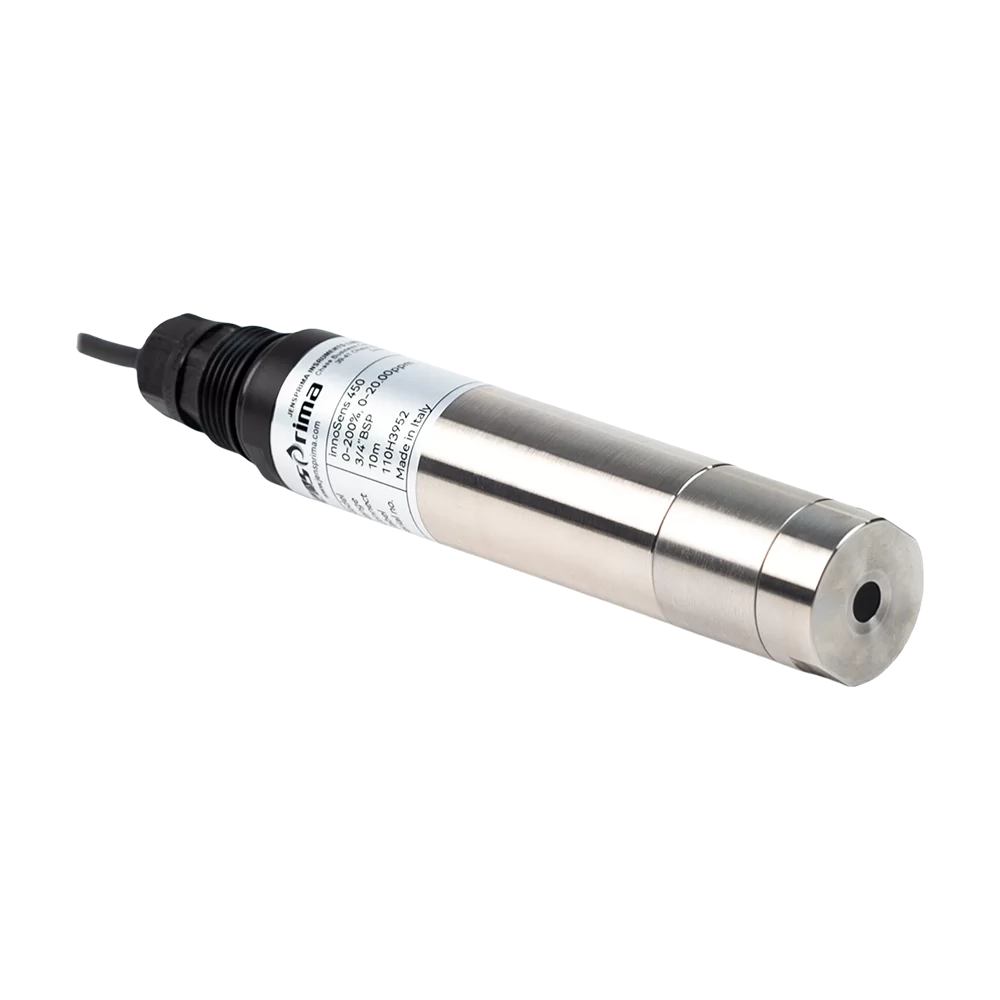
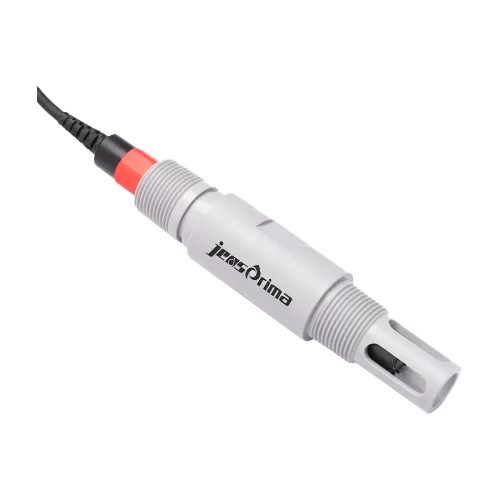
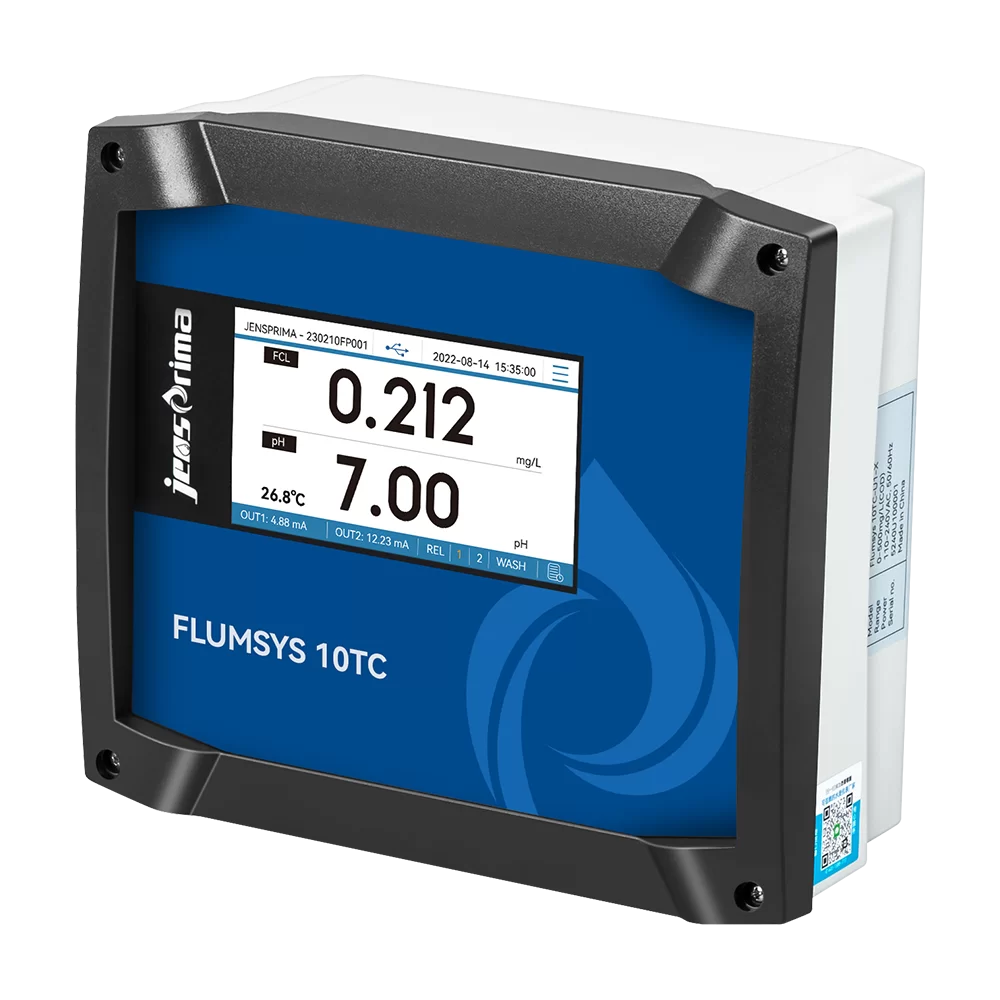
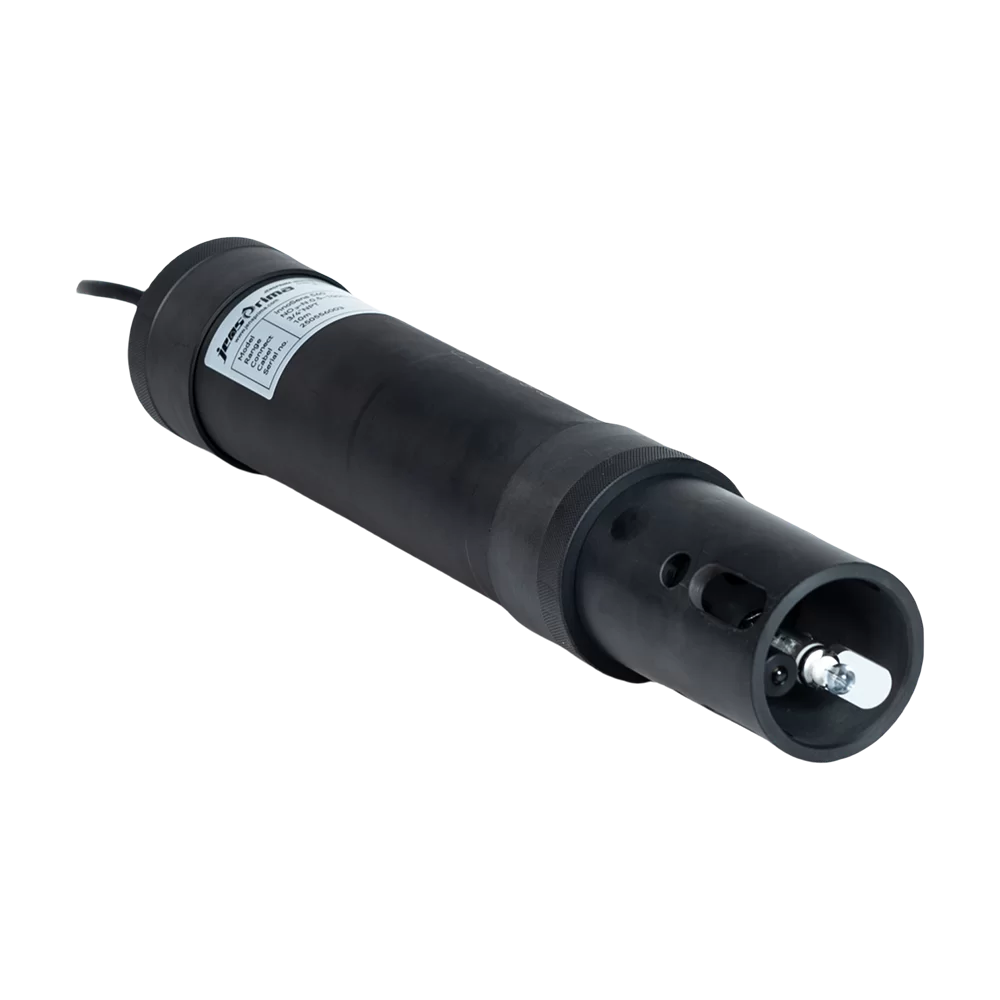
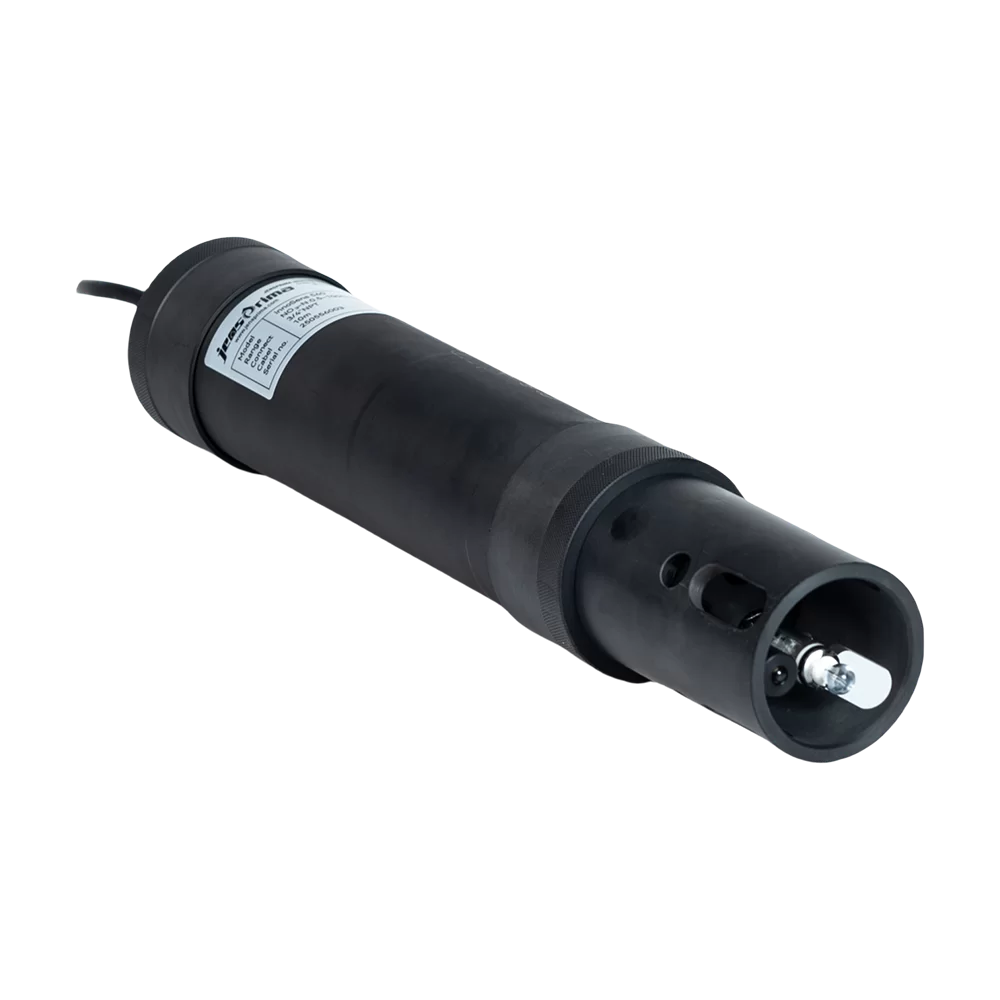
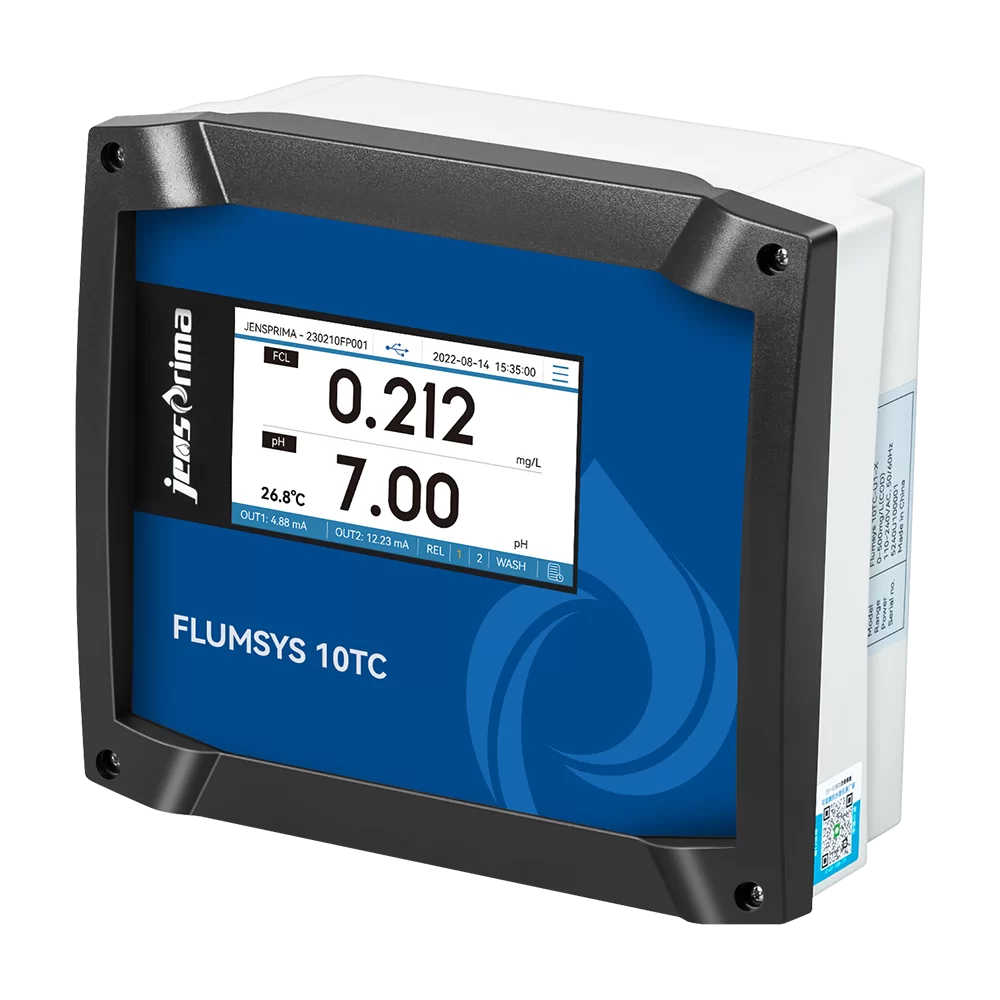
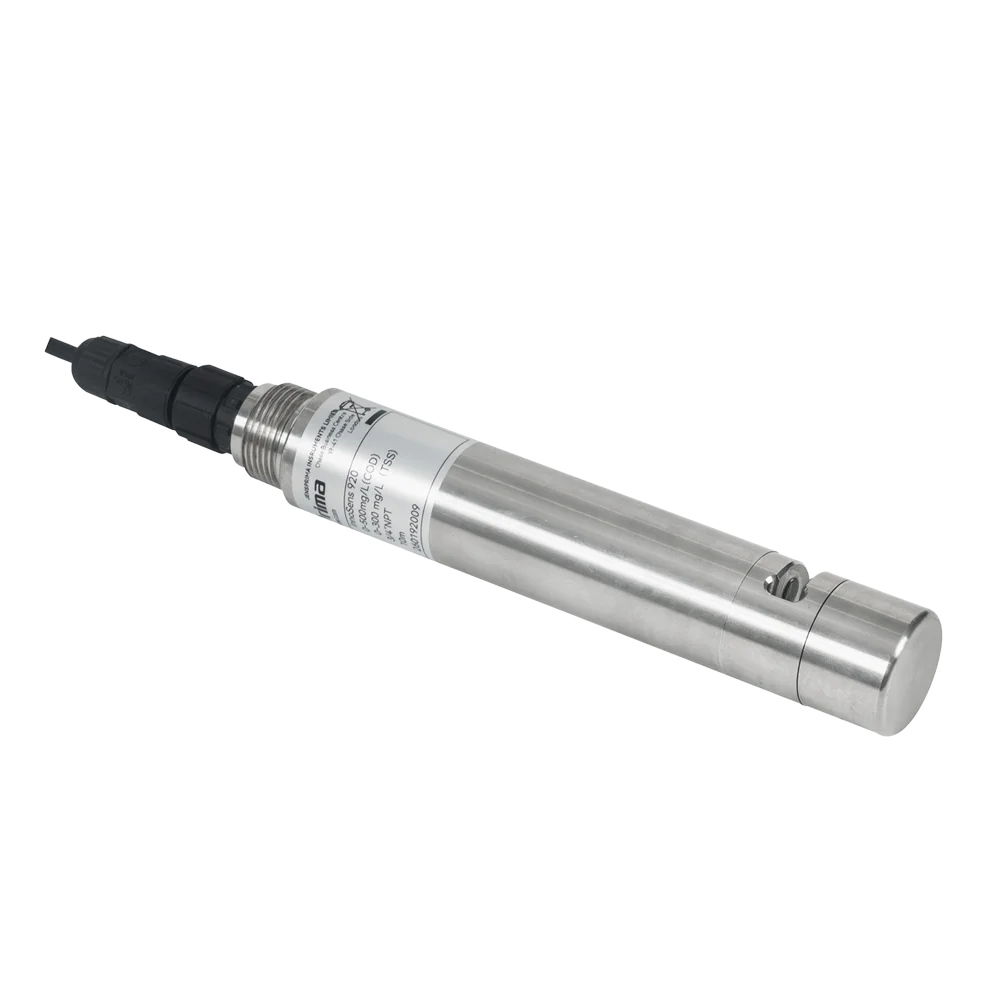
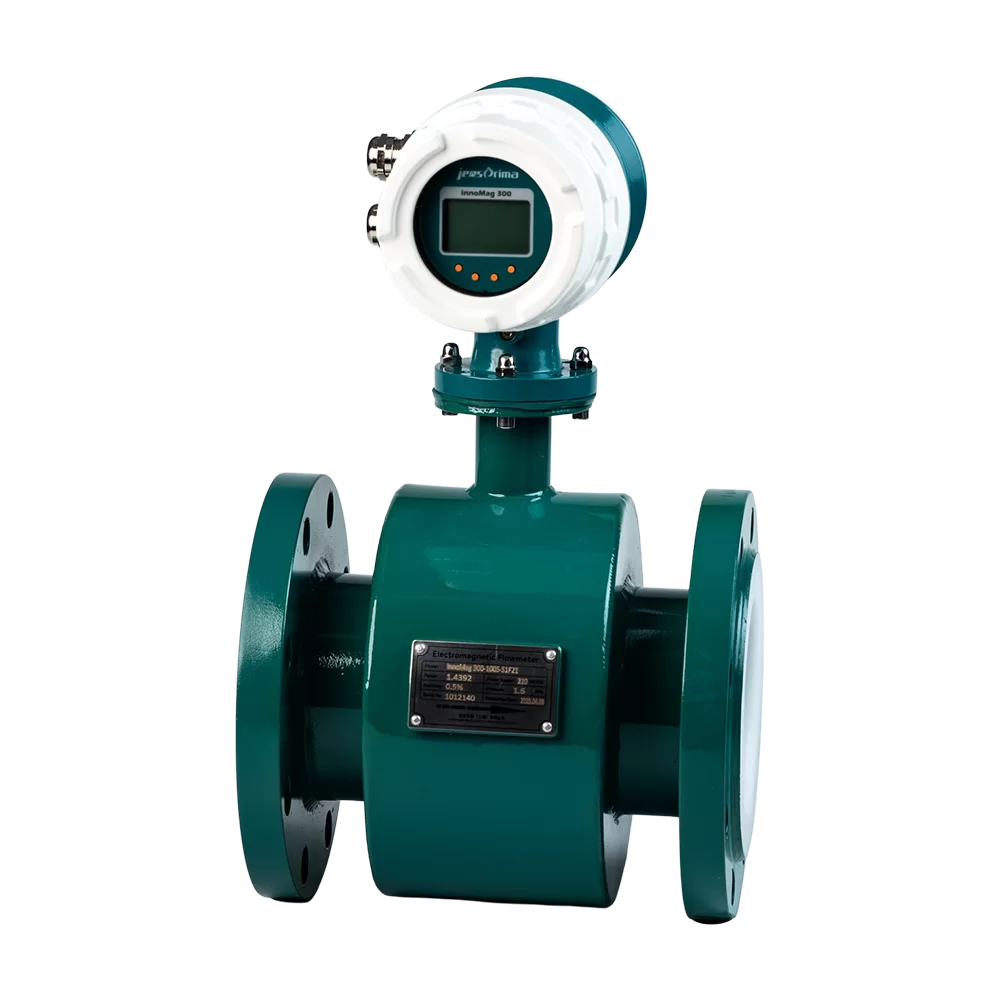
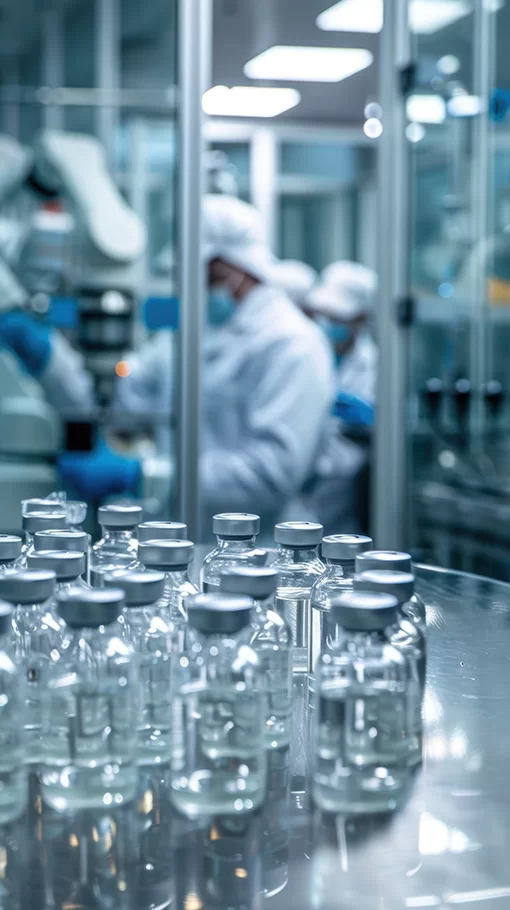
Jensprima online hardness and residual chlorine analyzers play a vital role in the service life of reverse osmosis membranes and the water recovery rate within pharmaceutical RO systems.
Free Chlorine Total Chlorine Analyzer
PACON 2501
Free Chlorine Total Chlorine Analyzer
FlumPANEL 2501
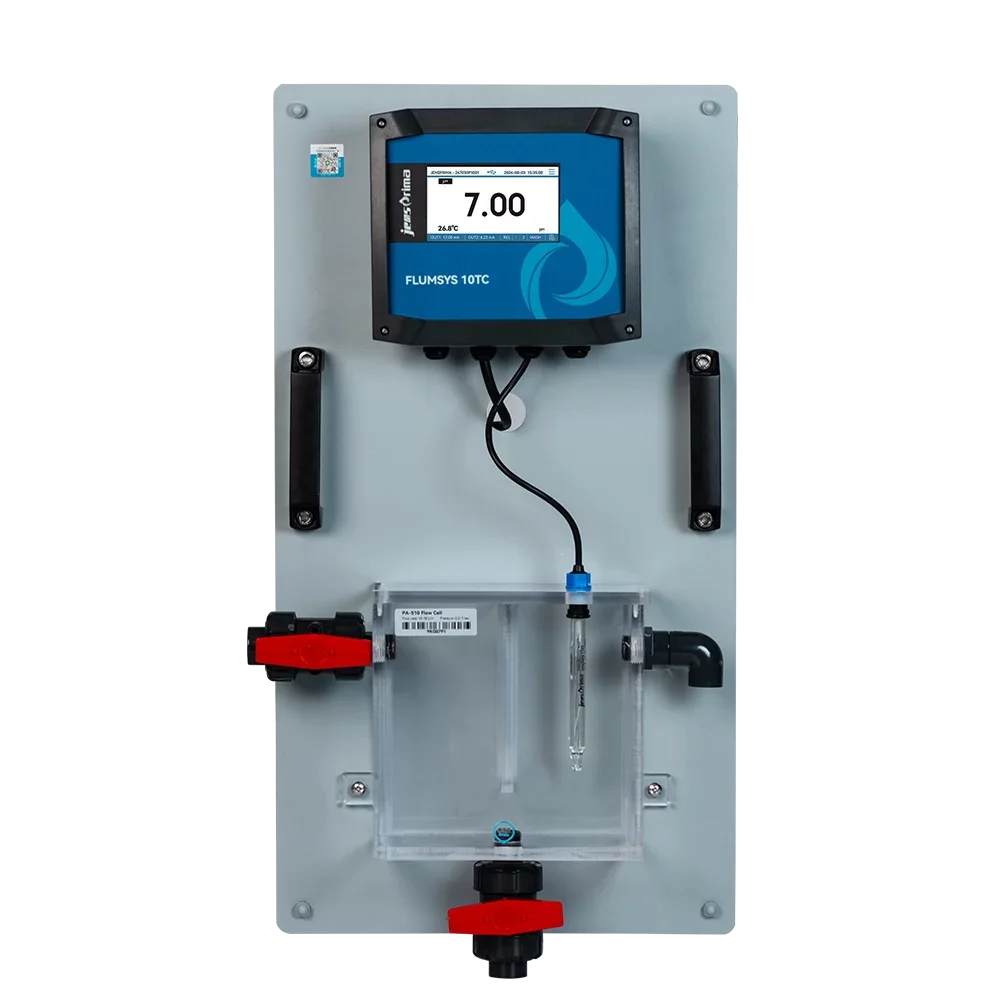
Dual-Parameter Water Quality Analyzer
Flumsys 10TC-F1P1
Water Quality Analyzer
Flumsys 10TC-F
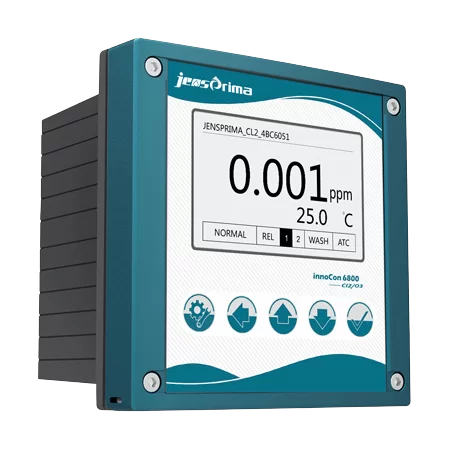
Free Chlorine Controller
innoCon 6800CL
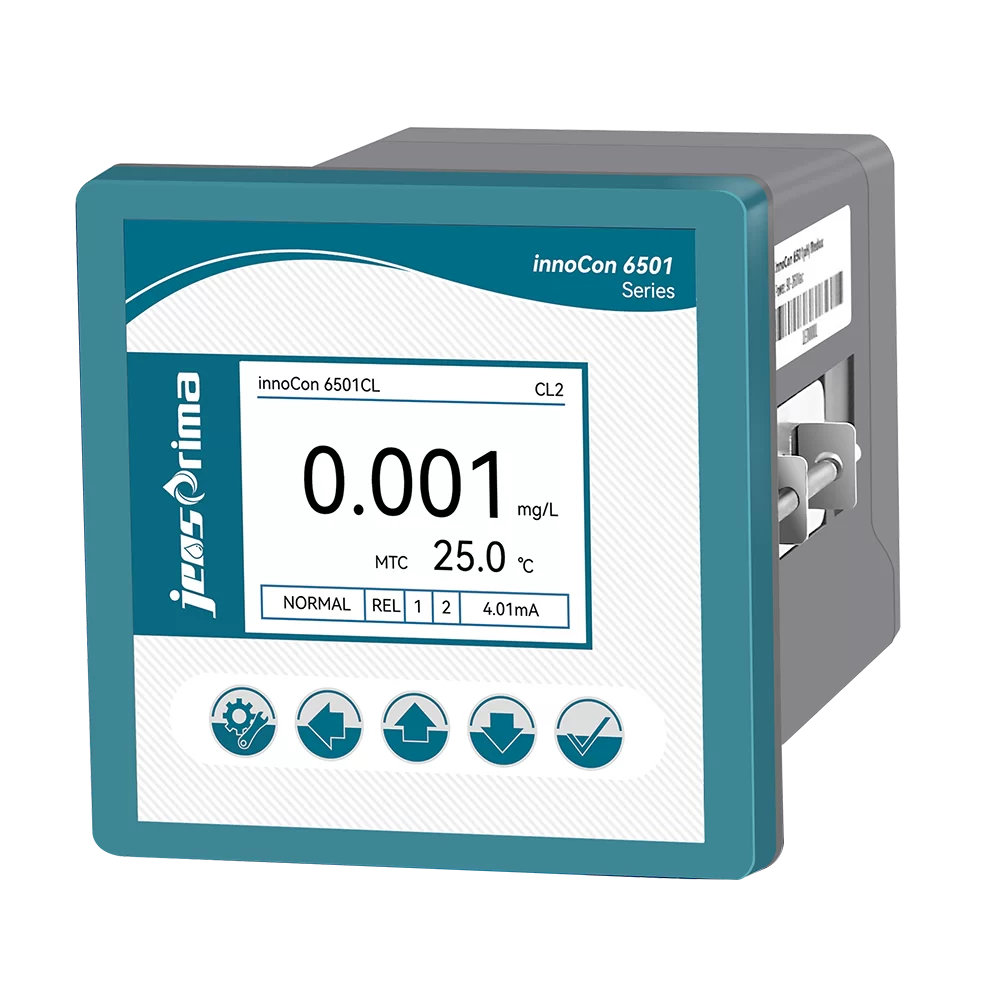
Free Chlorine Controller
innoCon 6501CL
Panel-mounted Online pH Analyser
pH/Redox Controller
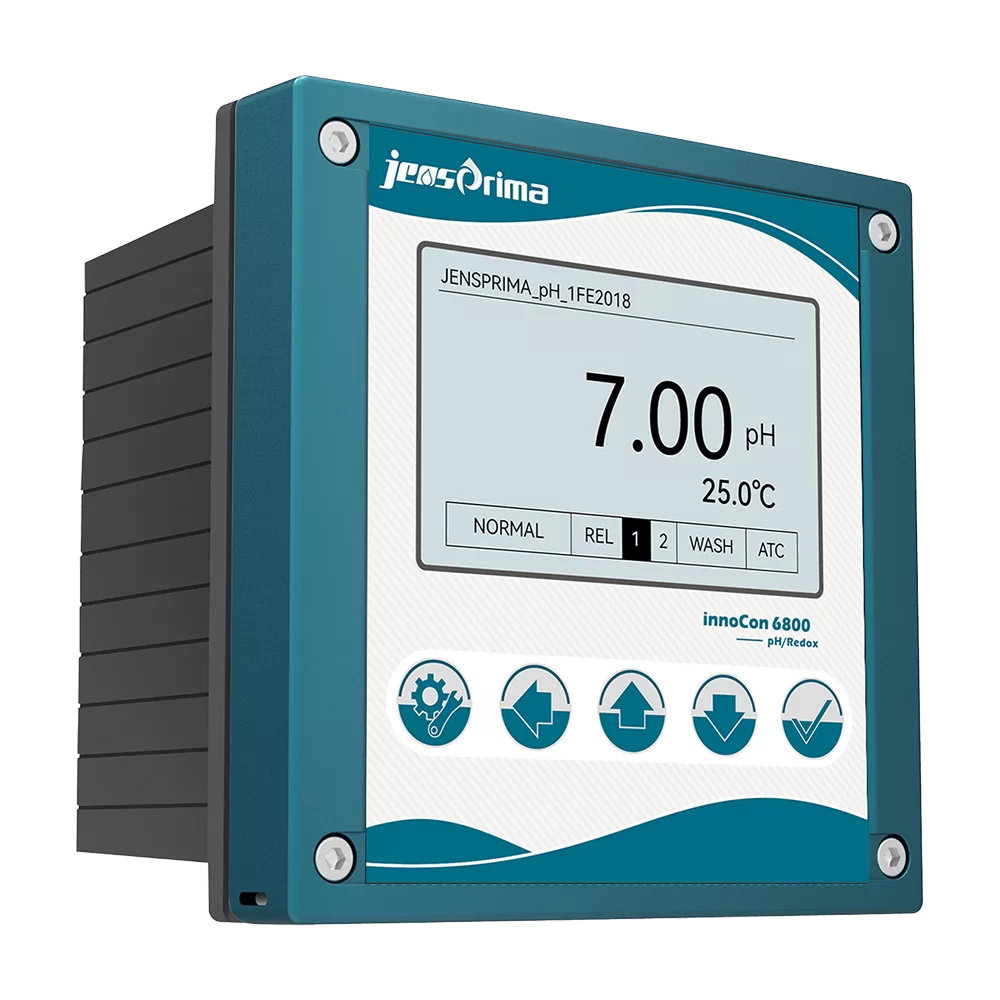
innoCon 6800P
pH/Redox Controller
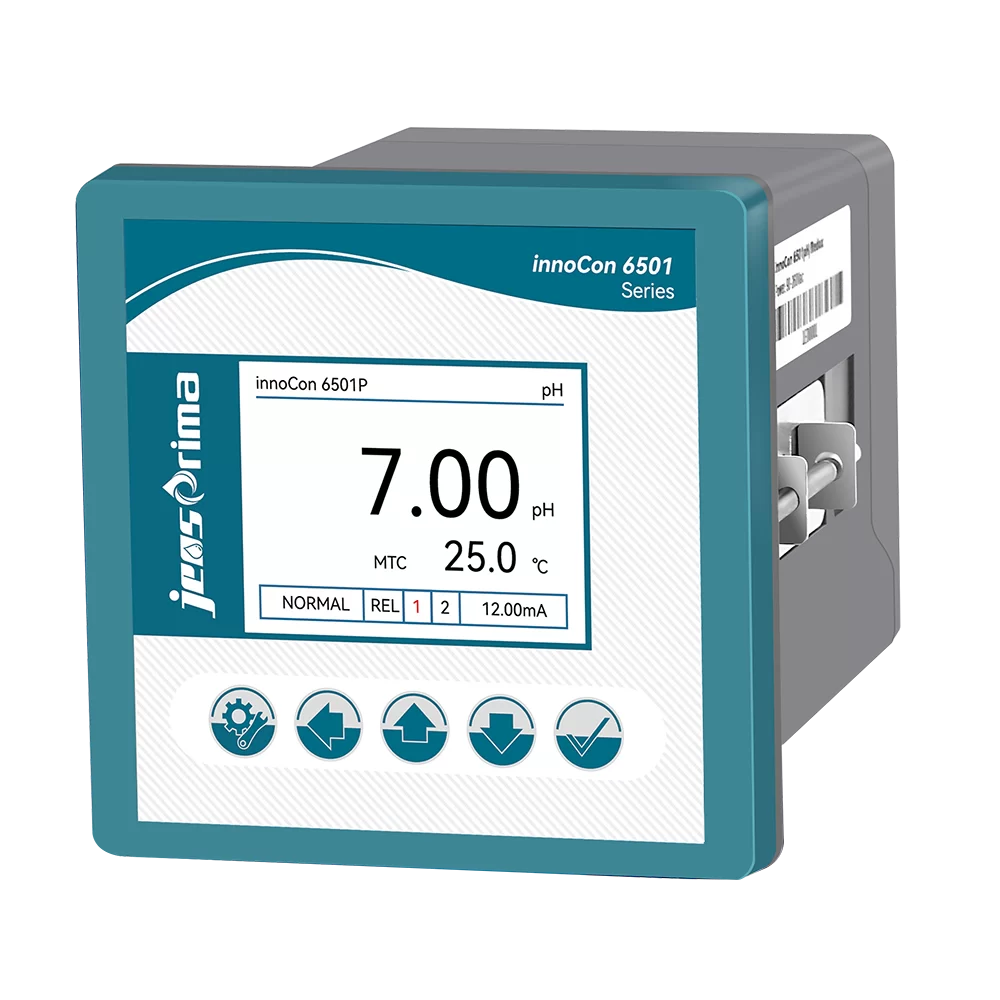
innoCon 6501P

Comprehensive Guide to Total Hardness Analyzer Applications and Advancements


The reliable determination of water hardness is crucial across a multitude of industries and applications, impacting everything from potable water safety to industrial process efficiency. A total hardness analyzer provides precise and rapid measurements of calcium and magnesium ions, the primary contributors to water hardness. Understanding and controlling water hardness is essential for preventing scale buildup in pipes and equipment, optimizing detergent performance, and ensuring the suitability of water for various uses. This analysis impacts global sustainability efforts by reducing energy consumption and extending the lifespan of critical infrastructure.
The significance of accurate total hardness measurement extends beyond simply preventing inconvenience. In agricultural settings, water hardness influences irrigation system efficiency and plant health. In the food and beverage industry, it directly affects product quality and taste. Furthermore, in healthcare, precise water hardness control is vital for sterilization processes and medical equipment functionality. The growing demand for sustainable water management practices further elevates the importance of readily available and dependable total hardness analyzer solutions.
The advancements in total hardness analyzer technology are enabling more efficient and environmentally friendly water treatment processes. Portable and automated systems are simplifying field testing and real-time monitoring, leading to improved water quality control and reduced costs. These improvements are fundamental to addressing global water scarcity and supporting sustainable development goals.
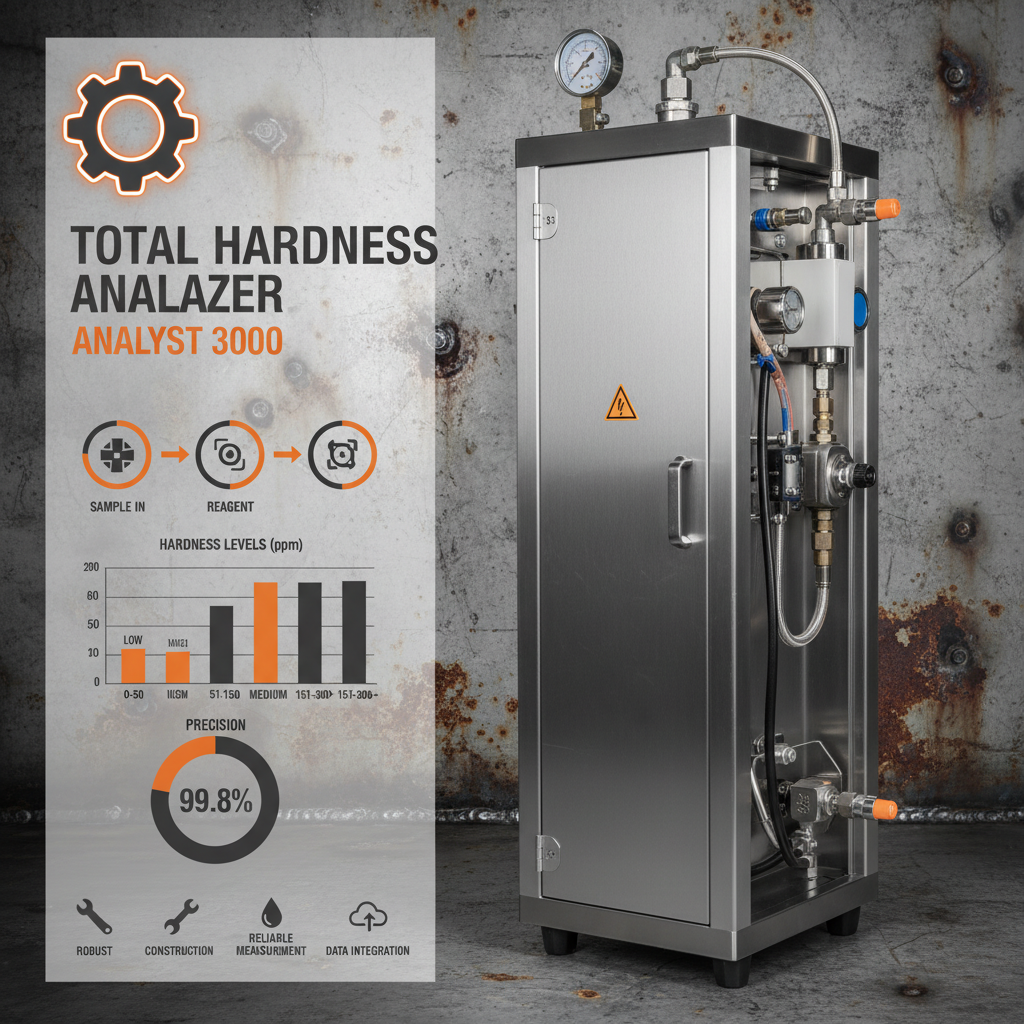
A total hardness analyzer is a sophisticated instrument designed to quantify the concentration of calcium and magnesium ions present in a water sample. These ions are responsible for the characteristic ‘hardness’ of water, which influences its suitability for a variety of applications. Modern analyzers employ a range of techniques, including titration, ion-selective electrodes, and spectrophotometry, to provide accurate and reliable results.
The utilization of a total hardness analyzer is becoming increasingly prevalent as awareness of water quality and its impact on various processes grows. From ensuring the longevity of industrial equipment to maintaining the efficacy of cleaning products, accurate hardness measurement plays a critical role in optimizing resource utilization and minimizing environmental impact.
Total hardness analysis is the process of determining the overall concentration of calcium and magnesium ions in water, typically expressed in parts per million (ppm) or milligrams per liter (mg/L) as calcium carbonate (CaCO3). While not a health hazard, hard water can cause scaling in pipes and appliances, reduce the effectiveness of soaps and detergents, and impact the taste of beverages. A total hardness analyzer provides a quantitative measure of this combined concentration.
The importance of this analysis stems from its direct correlation to numerous industrial and domestic applications. Understanding the hardness level allows for optimized water treatment processes, tailored detergent formulations, and proactive maintenance of water-based systems. In a world increasingly focused on water conservation and efficient resource management, accurate total hardness assessment is paramount.
This analysis plays a vital role in meeting stringent regulatory standards for drinking water quality, ensuring public health, and safeguarding industrial processes that rely on precise water specifications. The results from a reliable total hardness analyzer are therefore essential for compliance and operational efficiency.
Modern total hardness analyzers rely on several key components to deliver accurate and reliable results. Firstly, a precise sample handling system ensures representative water samples are introduced for analysis. Secondly, a sophisticated sensor or detection mechanism – such as an ion-selective electrode (ISE) or a spectrophotometer – measures the concentration of calcium and magnesium ions.
The third crucial element is a robust data processing unit that converts the sensor readings into meaningful hardness values, often displaying results in ppm or mg/L as CaCO3. Finally, user-friendly interfaces and data logging capabilities facilitate ease of operation and long-term monitoring. The quality of each component directly impacts the overall accuracy and reliability of the total hardness analyzer.
Calibration procedures and quality control measures are also integral components, ensuring consistent and trustworthy measurements over time. Regular calibration with standardized solutions is essential for maintaining the accuracy of the analyzer and adhering to industry best practices.
The applications of a total hardness analyzer are incredibly diverse, spanning numerous industries. In the power generation sector, controlling water hardness is crucial for preventing scale buildup in boilers and cooling towers, maximizing energy efficiency and extending equipment lifespan. In the food and beverage industry, accurate hardness measurements ensure consistent product quality and taste.
Within the agricultural sector, a total hardness analyzer aids in optimizing irrigation water quality, improving crop yields, and reducing fertilizer consumption. Moreover, in the pharmaceutical industry, precise water hardness control is essential for maintaining the integrity of manufacturing processes and ensuring product purity.
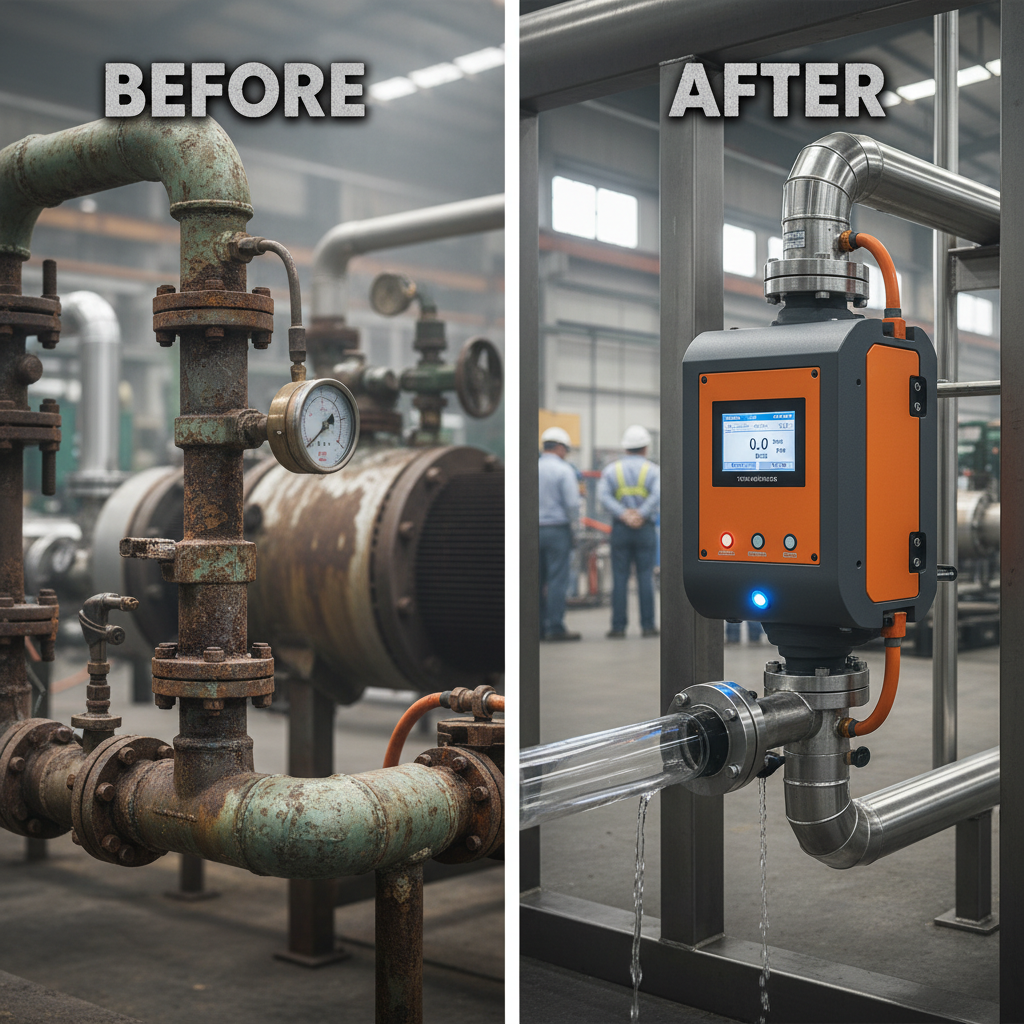
Employing a total hardness analyzer offers numerous tangible benefits. Cost savings are realized through reduced maintenance requirements, minimized scale buildup, and optimized chemical usage in water treatment processes. Improved operational efficiency results from consistent water quality and reduced downtime.
Beyond the economic advantages, the long-term value lies in enhanced sustainability and environmental responsibility. By preventing scale formation, less energy is required for heating and cooling, reducing carbon emissions. Furthermore, optimized water treatment processes minimize chemical waste and conserve valuable water resources.
The future of total hardness analysis is poised for significant advancements driven by digital transformation and the increasing demand for real-time monitoring. The integration of Internet of Things (IoT) technology will enable remote data collection and analysis, providing operators with immediate insights into water quality trends.
Furthermore, the development of miniaturized and portable total hardness analyzer devices will facilitate on-site testing and rapid response to changing water conditions. Advancements in sensor technology, such as the use of nanomaterials, promise to enhance accuracy and sensitivity, leading to more precise and reliable measurements.
Despite advancements, challenges remain in total hardness analysis. Traditional methods can be time-consuming and require skilled technicians. Certain water matrices can interfere with accurate measurements, leading to false positives or negatives. Maintaining calibration and ensuring consistent performance over time also present ongoing hurdles.
Innovative solutions are emerging to address these challenges. Automated total hardness analyzer systems reduce the need for manual intervention and minimize the risk of human error. Advanced signal processing algorithms and machine learning techniques can compensate for matrix interference and improve measurement accuracy.
Moreover, the development of self-calibrating sensors and remote diagnostic capabilities will further streamline operations and enhance the reliability of total hardness measurements, ensuring consistent and trustworthy results.
| Challenge | Impact on Analysis | Proposed Solution | Implementation Cost (1-10) |
|---|---|---|---|
| Time-Consuming Analysis | Slows down process control and increases labor costs. | Automated Analyzer Systems | 7 |
| Matrix Interference | Leads to inaccurate readings and unreliable data. | Advanced Signal Processing | 6 |
| Calibration Drift | Requires frequent recalibration and introduces potential errors. | Self-Calibrating Sensors | 8 |
| Lack of Remote Access | Limits real-time monitoring and proactive problem solving. | IoT Integration | 5 |
| Skill Requirement | Requires trained personnel for operation and maintenance. | User-Friendly Interface | 4 |
| Data Management | Difficulty in storing and analyzing historical data. | Cloud-Based Data Logging | 6 |
Titration is a traditional method that relies on visual endpoint detection, making it prone to subjective errors and time-consuming. Electronic total hardness analyzers, such as those employing ion-selective electrodes, offer objective, automated measurements with significantly higher accuracy and repeatability. They also provide digital data logging for easier tracking and analysis, and typically require less operator training compared to titration techniques.
Calibration frequency depends on the analyzer's usage and the required accuracy level. Generally, it’s recommended to calibrate a total hardness analyzer at least once a month or after every 100 measurements, whichever comes first. Calibration should also be performed after any maintenance or repair, and whenever there’s a suspicion of inaccurate readings. Using certified standard solutions is crucial for proper calibration.
While many total hardness analyzers are designed for freshwater, specialized models are available for analyzing seawater or industrial wastewater, which often have higher salinity or contain interfering substances. It’s essential to select an analyzer specifically designed for the matrix you are analyzing and to follow the manufacturer's recommendations regarding sample preparation and calibration procedures for non-standard water types.
Modern total hardness analyzers typically offer an accuracy range of ±1-5% of the measured value, or ±1 ppm, whichever is greater. This accuracy level is sufficient for most industrial and environmental monitoring applications. However, the actual accuracy can be affected by factors such as sample preparation, calibration, and instrument maintenance.
When storing a total hardness analyzer, ensure it is clean and dry. Remove any remaining sample from the sample chamber and rinse thoroughly with distilled water. Store the analyzer in a cool, dry place, away from direct sunlight and extreme temperatures. Follow the manufacturer’s specific storage instructions, as some models may require specific storage conditions to maintain optimal performance.
Routine maintenance for a total hardness analyzer includes regular cleaning of the sample chamber, electrode maintenance (if applicable), and periodic calibration. It’s also important to inspect the instrument for any signs of damage or wear and tear. Following the manufacturer's recommended maintenance schedule will help ensure the analyzer's accuracy, reliability, and longevity.
In conclusion, the total hardness analyzer is a critical tool for ensuring water quality and optimizing processes across diverse industries. Its ability to provide accurate, reliable, and timely measurements of water hardness translates into significant cost savings, improved efficiency, and enhanced sustainability. From safeguarding industrial infrastructure to protecting public health, the benefits of employing modern hardness analysis technologies are undeniable.
Looking ahead, continued innovation in sensor technology, automation, and data analytics will further expand the capabilities of total hardness analyzers. Investing in these technologies is not just about meeting regulatory requirements; it’s about embracing a proactive approach to water management, resource conservation, and a more sustainable future. Visit our website at www.jensprima.com to learn more about our range of total hardness analyzer solutions.
If you are interested in our products, you can choose to leave your information here, and we will be in touch with you shortly.